Meal Planning
1500 Calorie Meal Plan: A Full Week, Scored
A complete 7-day plan with breakfast, lunch, dinner, and snacks. Real calorie and macro data from USDA-referenced sources, scored for General Wellness, Weight Management, and Metabolic Health across the full week.
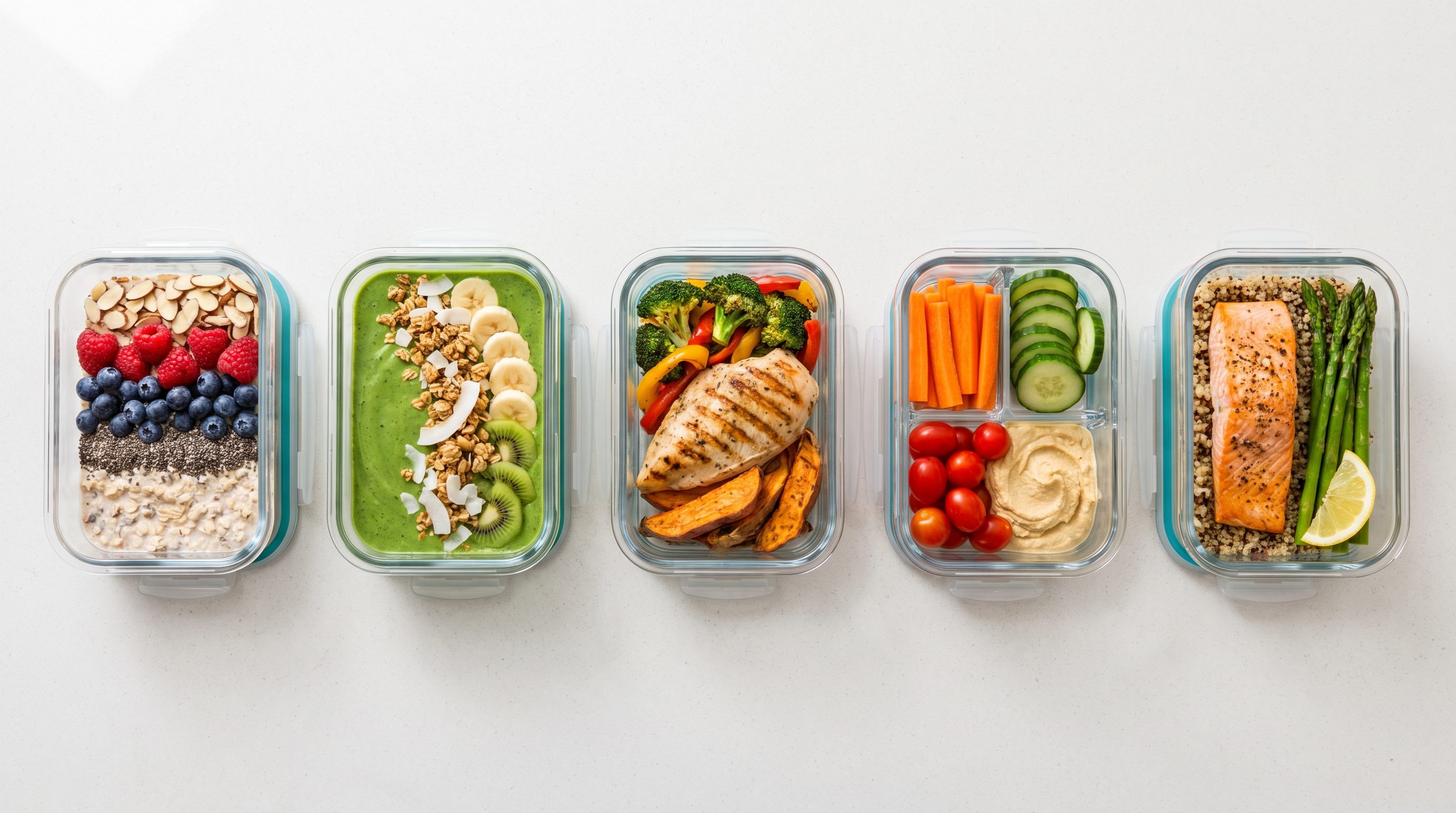
Short Answer
A well-structured 1500-calorie plan distributes calories as: breakfast 350-400 cal, lunch 400-450 cal, dinner 450-500 cal, snack 100-150 cal. Aim for 100-120g of protein daily to preserve muscle while in a deficit. Prioritize fiber-rich whole foods to manage hunger. The daily macro target: 110-120g protein, 140-160g carbs, 45-55g fat.
Who a 1500 Calorie Plan Works For
A 1500-calorie plan is appropriate for: adult women 5'4"-5'8" who are lightly active and looking to lose weight steadily, adult men who are short-statured or mostly sedentary, and anyone in a supervised weight loss program. It is not appropriate for: pregnant or breastfeeding women, athletes in heavy training, growing teenagers, or anyone who experienced an eating disorder. When in doubt, consult a registered dietitian or physician before starting a calorie-restricted plan.
The plan below is structured to hit 1500 calories with a 30/40/30 protein/carb/fat split. Calorie values are approximate and sourced from USDA FoodData Central.
Calculate your personal calorie target: Free Macro Calculator, enter your height, weight, age, activity level, and goal to get your exact daily calorie and macro targets.
7-Day 1500 Calorie Meal Plan
| Day | Breakfast (~370 cal) | Lunch (~430 cal) | Dinner (~470 cal) | Snack (~130 cal) |
|---|---|---|---|---|
| Mon | 2 eggs + 1 cup Greek yogurt + berries | Grilled chicken salad + olive oil dressing + chickpeas | Salmon + brown rice + roasted broccoli | Apple + 1 tbsp almond butter |
| Tue | Overnight oats + chia seeds + banana | Turkey and white bean soup + whole grain roll | Ground turkey stir-fry + brown rice + peppers | Cottage cheese (1/2 cup) + cucumber |
| Wed | 2 eggs scrambled + spinach + whole grain toast | Tuna salad wrap (whole grain tortilla, Greek yogurt base) | Chicken thigh + lentils + roasted sweet potato | Orange + 10 almonds |
| Thu | Greek yogurt parfait + granola (1/4 cup) + fruit | Lentil soup + whole grain crackers | Shrimp + zucchini noodles + garlic + olive oil | Hard boiled egg + 5 baby carrots |
| Fri | Oatmeal + 1 scoop protein powder + blueberries | Grilled chicken + quinoa + roasted vegetables | Turkey breast + Brussels sprouts + cauliflower mash | 1/4 cup hummus + cucumber slices |
| Sat | Veggie omelette (2 eggs + 2 whites) + whole grain toast | Cottage cheese bowl + canned salmon + crackers + cherry tomatoes | Beef stir-fry + brown rice + bok choy | Greek yogurt (1/2 cup) + walnuts (1 tbsp) |
| Sun | Smoothie: Greek yogurt + frozen berries + spinach + chia seeds | Chicken and vegetable soup + side salad | Baked cod + roasted asparagus + quinoa | Pear + string cheese |
This plan averages 1480-1520 calories per day depending on exact portions. Adjust serving sizes by 10-15% to hit your personal target precisely.
Daily Macro Breakdown
| Macro | Daily target | Calories from this macro | Why this level |
|---|---|---|---|
| Protein | 110-120g | 440-480 cal (30%) | Preserves muscle during deficit, highest satiety per calorie |
| Carbohydrates | 140-160g | 560-640 cal (40%) | Fuel for brain and exercise, from high-fiber whole food sources |
| Fat | 45-55g | 405-495 cal (30%) | Hormone production, fat-soluble vitamins, satiety |
| Fiber | 25-35g | (counted in carbs) | Extends fullness, feeds gut bacteria, reduces net carb impact |
Related Reading
Frequently Asked Questions
- Is 1500 calories a day enough to lose weight?
- For most adults, 1500 calories creates a meaningful calorie deficit that supports weight loss. The average sedentary woman needs approximately 1800-2000 calories to maintain weight. A 1500-calorie plan creates a 300-500 calorie daily deficit, which corresponds to roughly 0.6-1 pound of weight loss per week. For taller or more active individuals, a 1500-calorie plan may be too restrictive. Consult a healthcare provider before starting any calorie-restricted plan.
- What macros should I aim for on a 1500 calorie diet?
- A balanced 1500-calorie macro split for weight loss is: protein 30% (112g), carbohydrates 40% (150g), fat 30% (50g). The high protein percentage is intentional: protein preserves muscle mass during a calorie deficit and drives the highest satiety per calorie. The carbohydrate allocation should come primarily from fiber-rich whole grains, legumes, and vegetables rather than refined sources.
- How do I avoid hunger on a 1500 calorie plan?
- The strategies that reduce hunger most effectively at 1500 calories: (1) distribute protein evenly across all three meals, aiming for 30-40g per meal, (2) eat high-fiber foods at every meal (vegetables, legumes, whole grains) which slow gastric emptying and extend fullness, (3) drink 2-3 liters of water daily as hunger and thirst signals overlap, (4) avoid skipping meals, which increases hunger hormone production and leads to overeating at the next meal, (5) include healthy fat at each meal (olive oil, avocado, nuts) which slows digestion.
- How does easyChef Pro help with a 1500 calorie meal plan?
- easyChef Pro generates a full week meal plan built to your calorie target. The PLAN feature builds every meal within your set calorie range, tracks daily totals, and adjusts the grocery list to exactly what you need for the week with pantry items removed. The app also scores every meal for your chosen health goal so you are not just hitting a calorie number but also improving diet quality. You can view the macro breakdown for any day or any individual meal.
Get a personalized 1500 calorie plan built for you
easyChef Pro builds a full week of meals to your calorie and macro targets, scored for your health goal. Grocery list included. 7-day free trial, no credit card required.