High-Protein
High-protein meals, scored for nutrition
Real recipes with at least 25g of protein per serving -- each showing its protein, calories, and easyChef Pro's 0-100 nutrition score, so you can see the trade-offs, not just the protein.
The short version
A high-protein meal delivers 25g or more of protein per serving. But high protein does not automatically mean high overall nutrition. Below, every recipe shows its real per-serving protein and calories alongside a 0-100 nutrition score, so you can compare the full trade-off -- browse by dinner, lunch, low-calorie, weight-loss, or the highest-protein dishes.
Both a lean stir-fry and a rack of ribs can be high in protein, but their broader nutritional profiles differ. The score helps make that trade-off visible without labeling any single food good or bad.
High-protein dinners
Dinner-tagged recipes, sorted by protein per serving. Protein, calories, and fat are per serving.
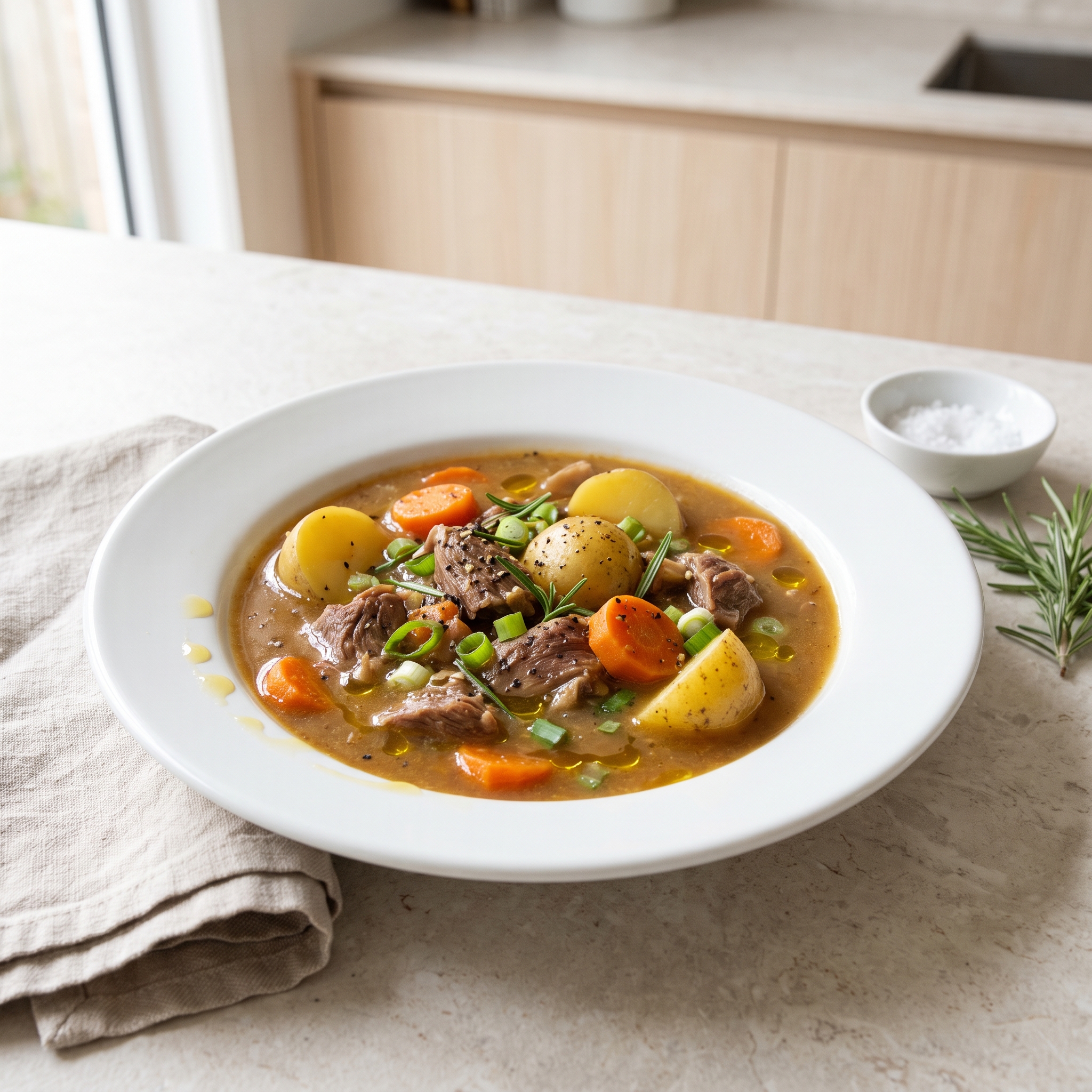 51
51 Chef John's Irish Stew
75g protein · 741 cal · 38g fat
75g protein and 741 calories per serving
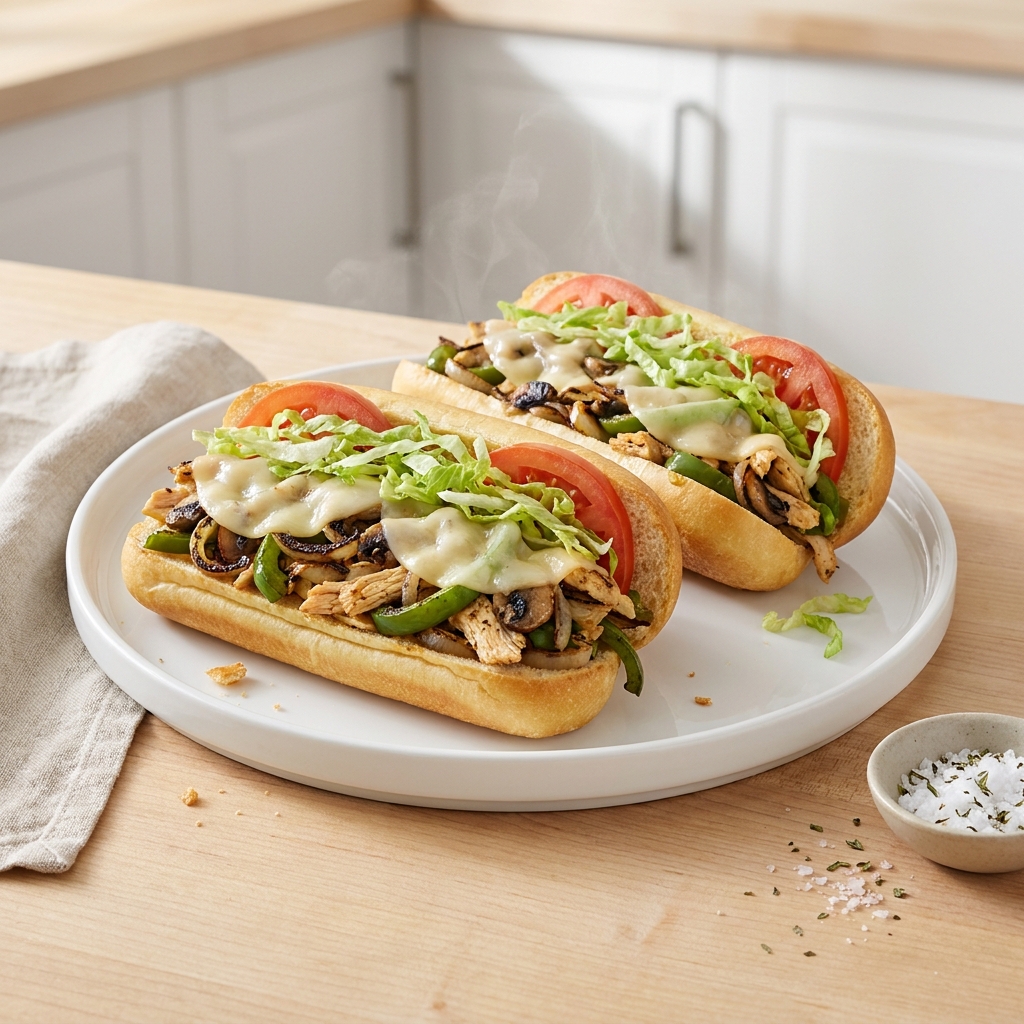 46
46 Philadelphia-Inspired Chicken Cheese Hoagie
75g protein · 865 cal · 35g fat
75g protein and 865 calories per serving
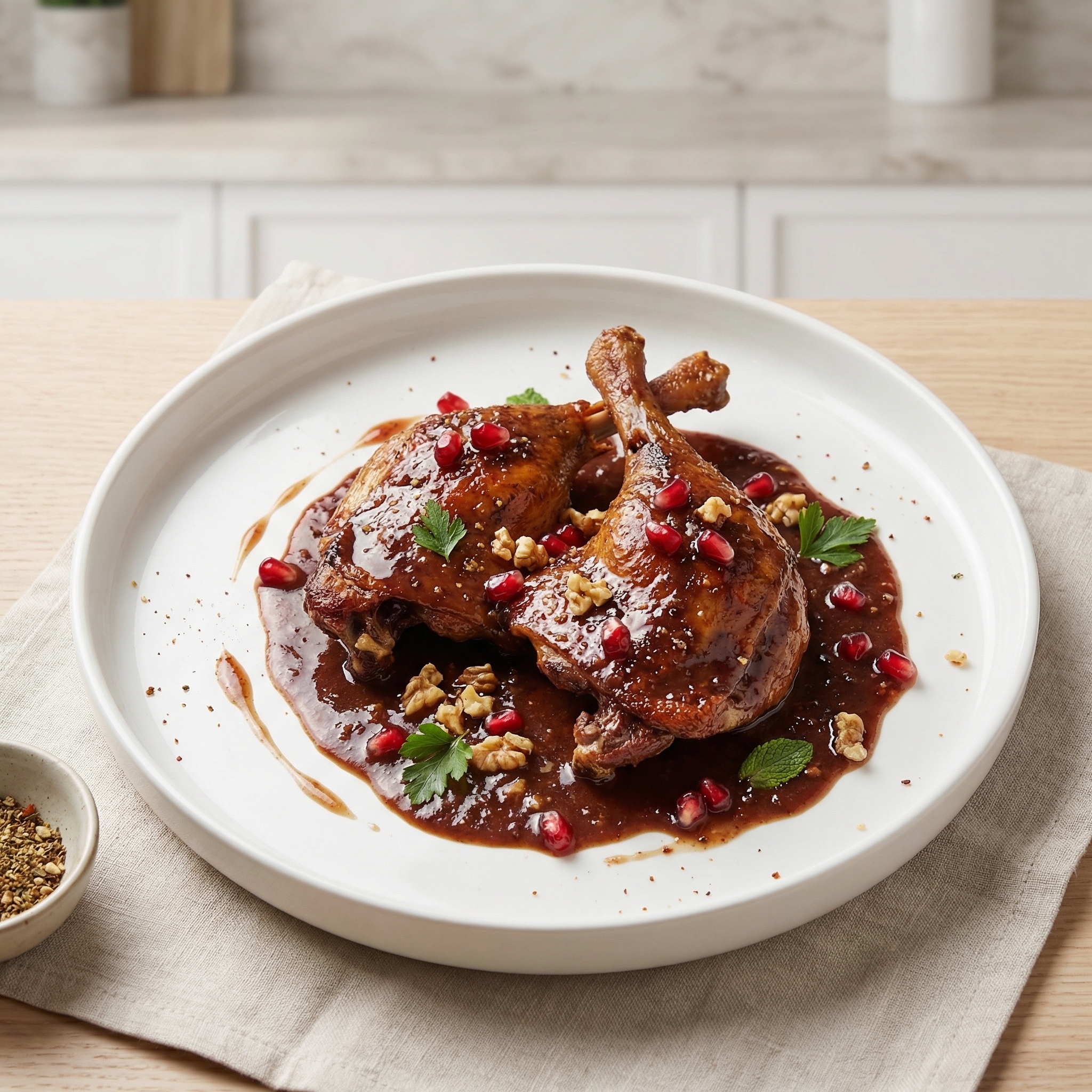 41
41 Persian Duck Fesenjan Stew
74g protein · 881 cal · 49g fat
74g protein and 881 calories per serving
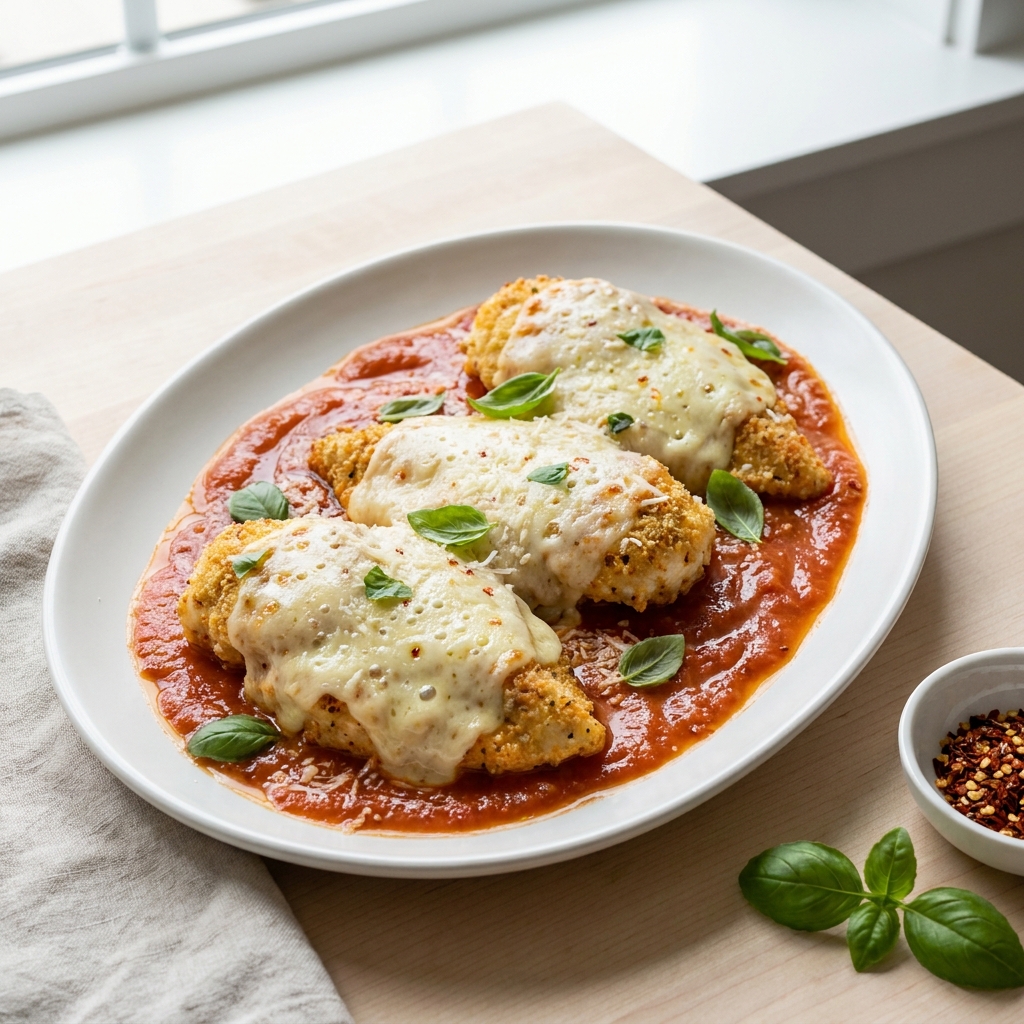 42
42 Tomato-Baked Chicken Parmesan
74g protein · 603 cal · 22g fat
74g protein and 603 calories per serving
 47
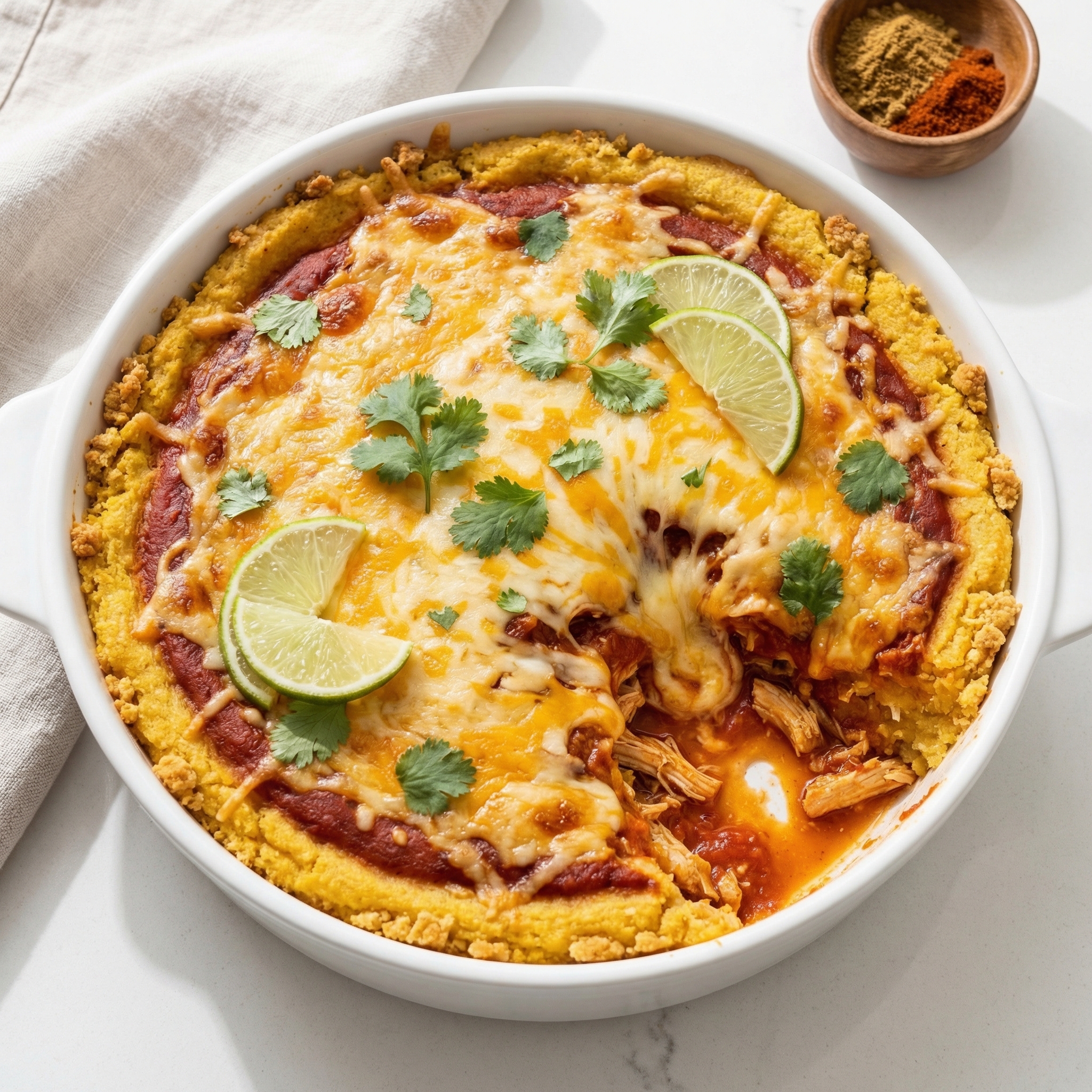
47 Southwestern Chicken Tamale Casserole
74g protein · 604 cal · 26g fat
74g protein and 604 calories per serving
 47
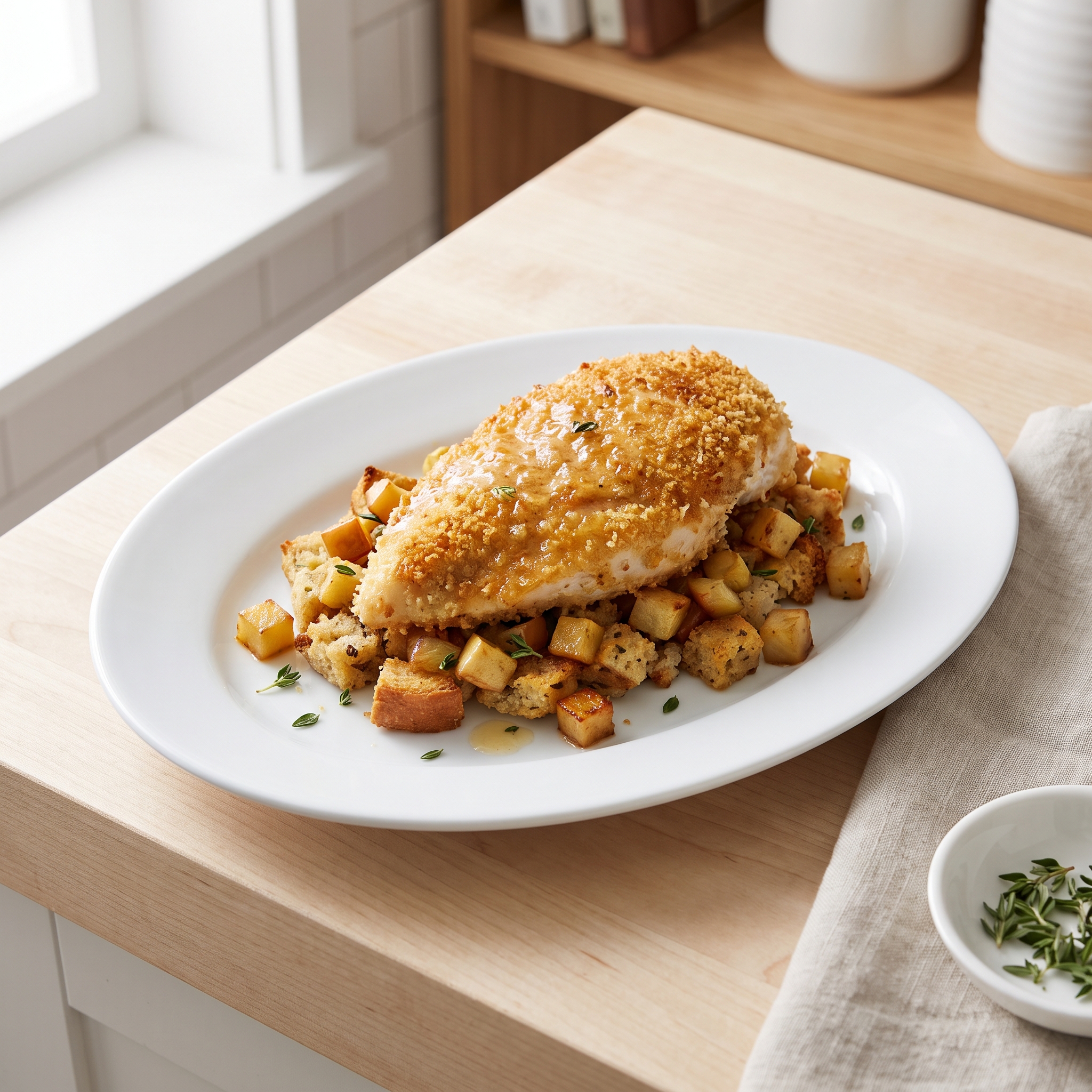
47 Oven-Roasted Chicken with Apple-Stuffed Casserole
74g protein · 855 cal · 17g fat
74g protein and 855 calories per serving
 40
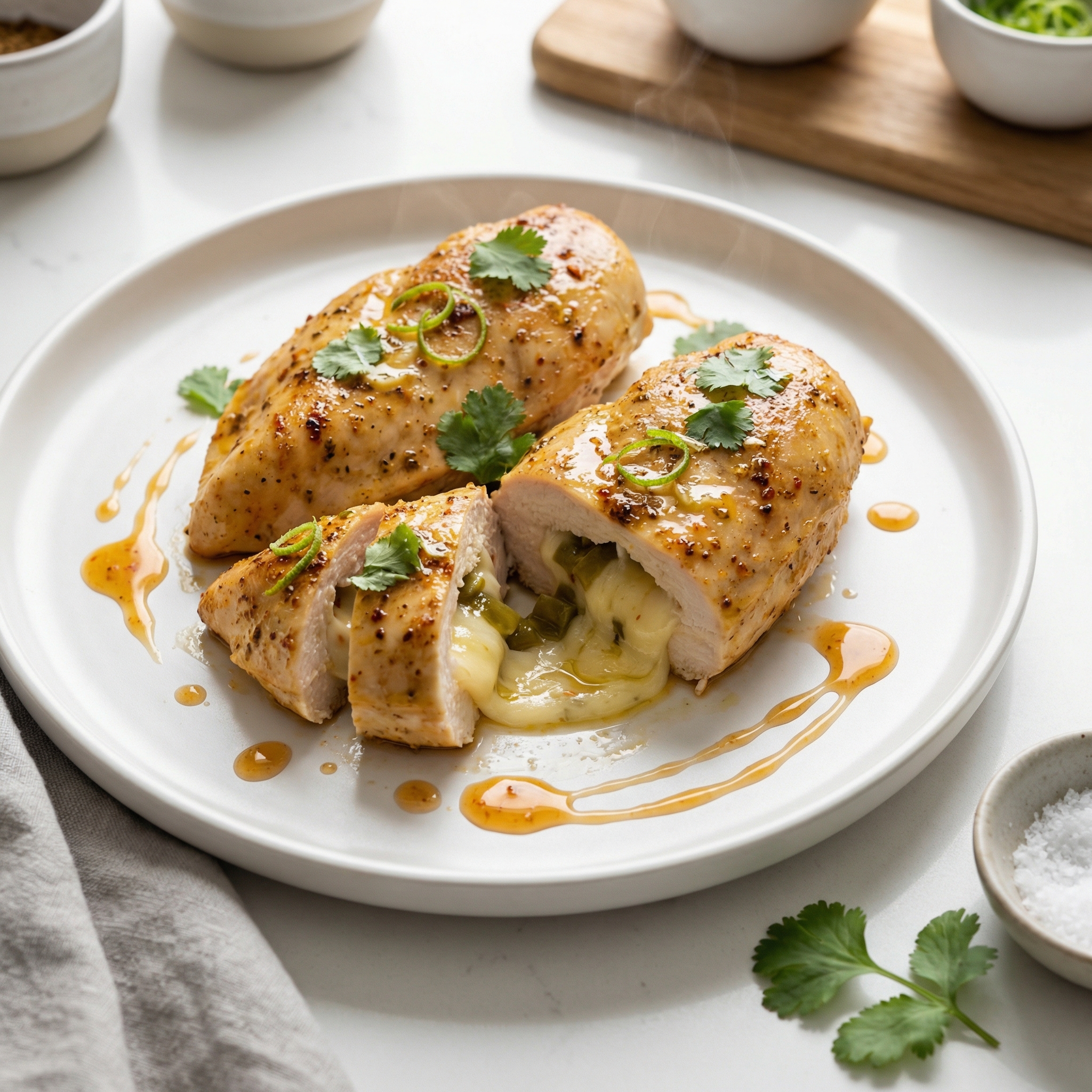
40 Green Chili and Cheese Chicken
73g protein · 553 cal · 26g fat
73g protein and 553 calories per serving
 32
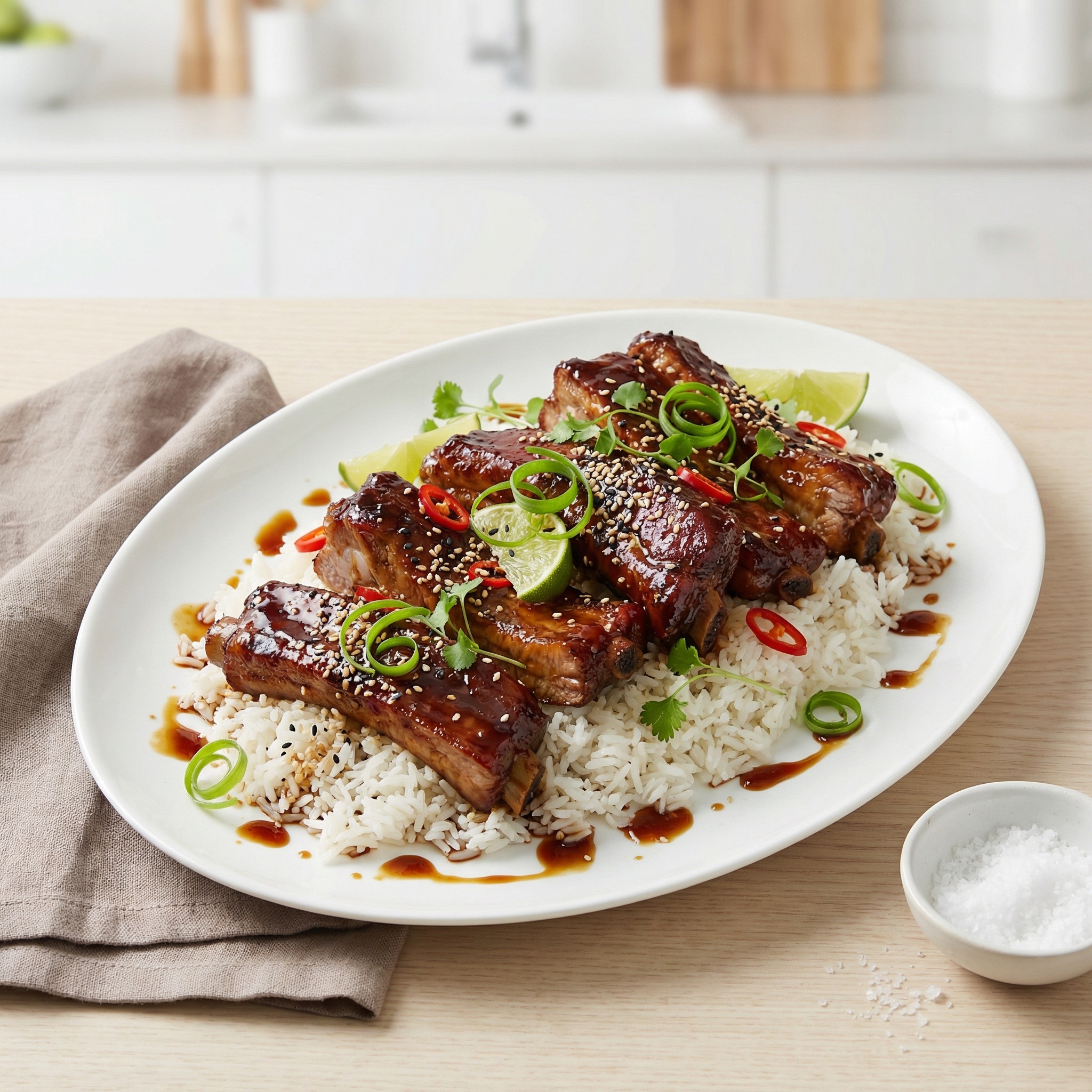
32 Asian Style Country Ribs
73g protein · 923 cal · 63g fat
73g protein and 923 calories per serving
 34
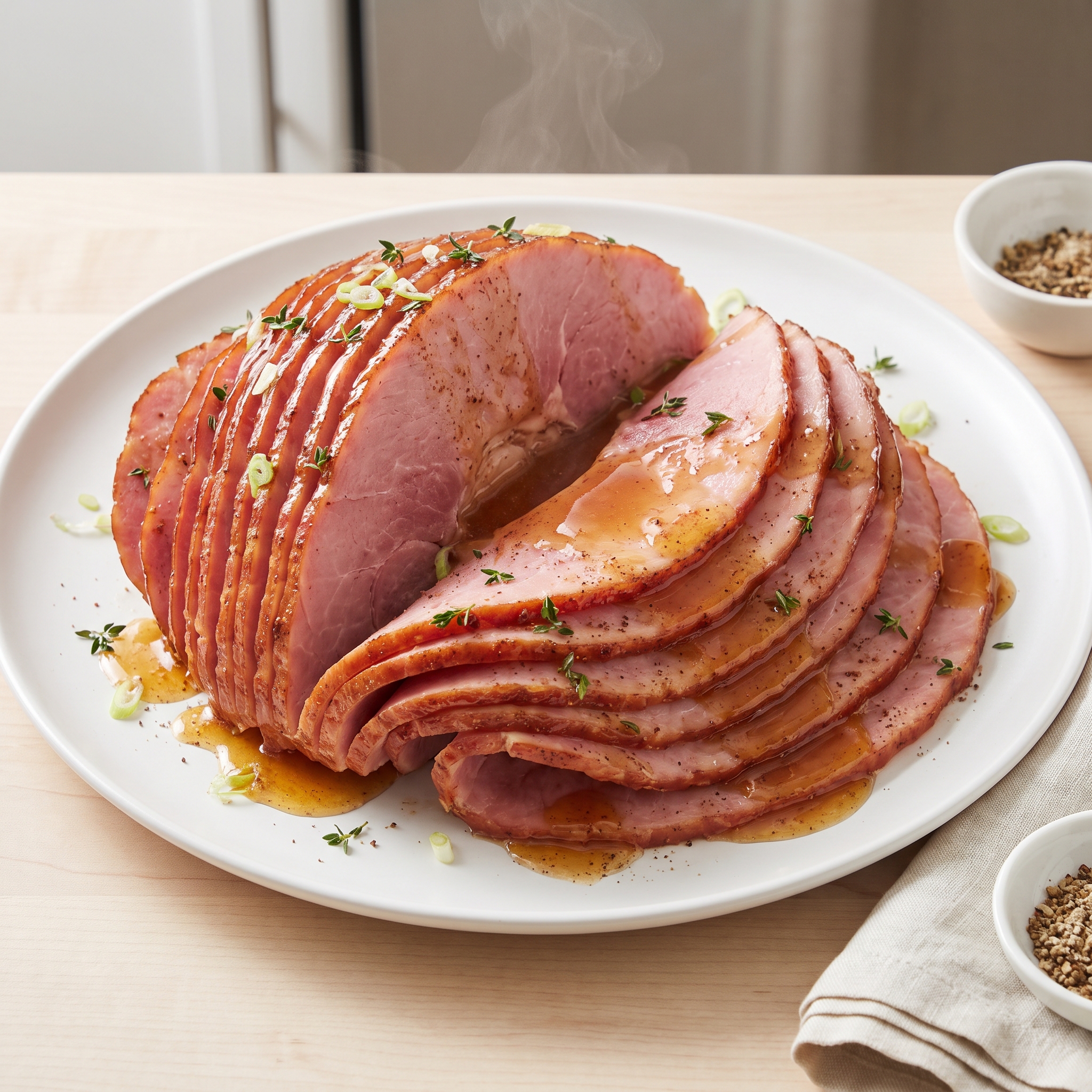
34 Slow Cooker Honey-Glazed Spiral Ham
73g protein · 604 cal · 24g fat
73g protein and 604 calories per serving
 51
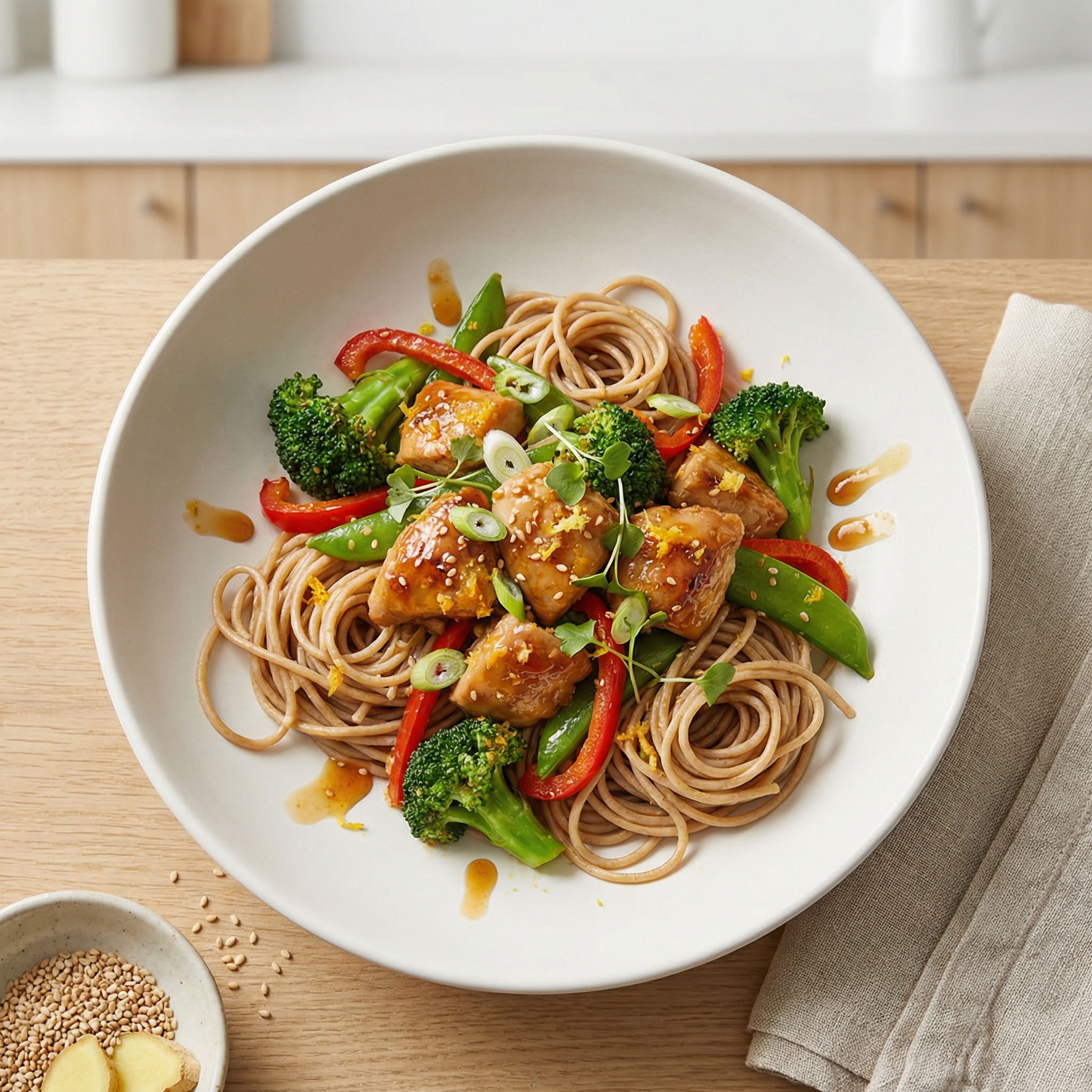
51 Citrus Chicken Stir Fry
73g protein · 941 cal · 15g fat
73g protein and 941 calories per serving
 43
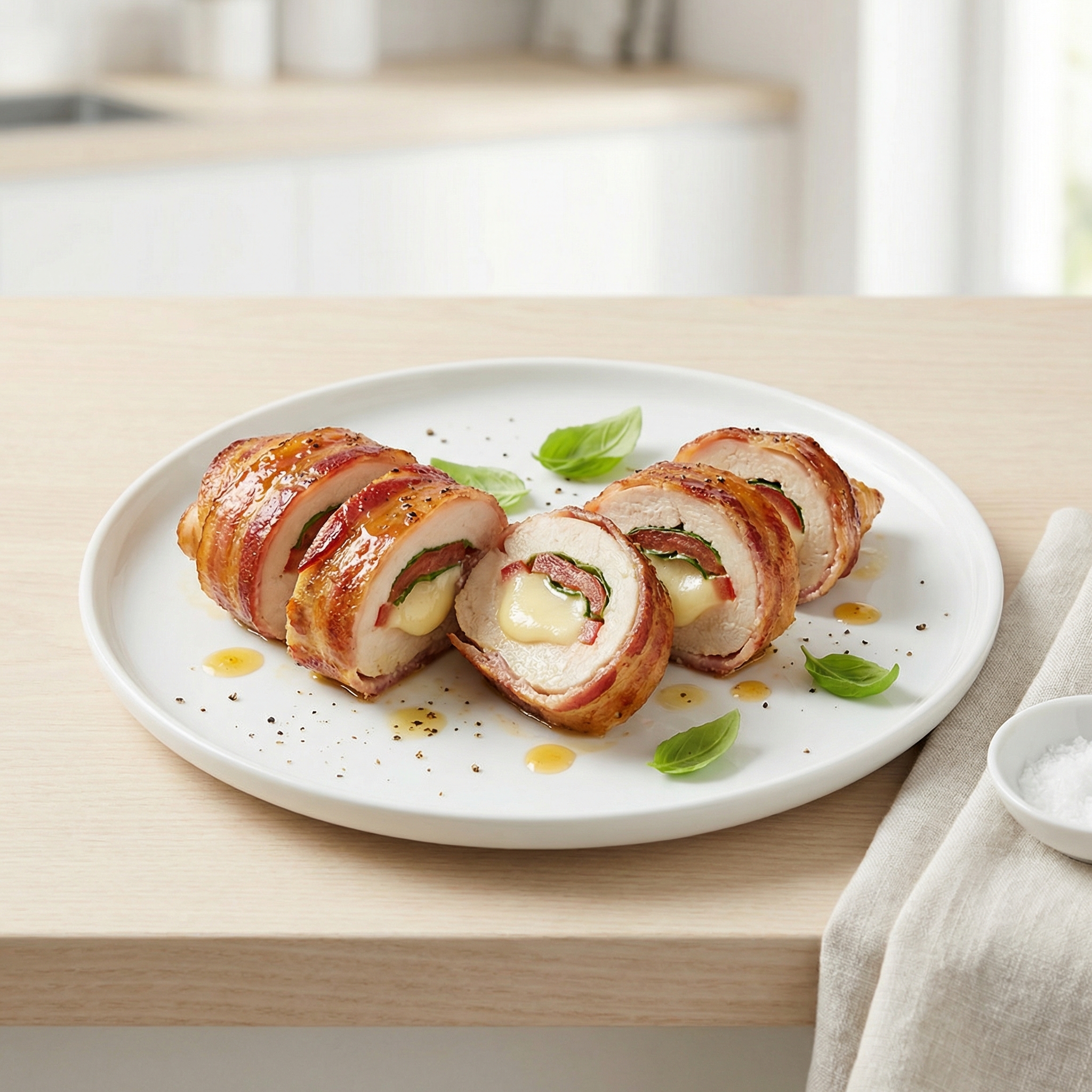
43 Stuffed Tomato Basil Chicken
73g protein · 479 cal · 16g fat
73g protein and 479 calories per serving
 42
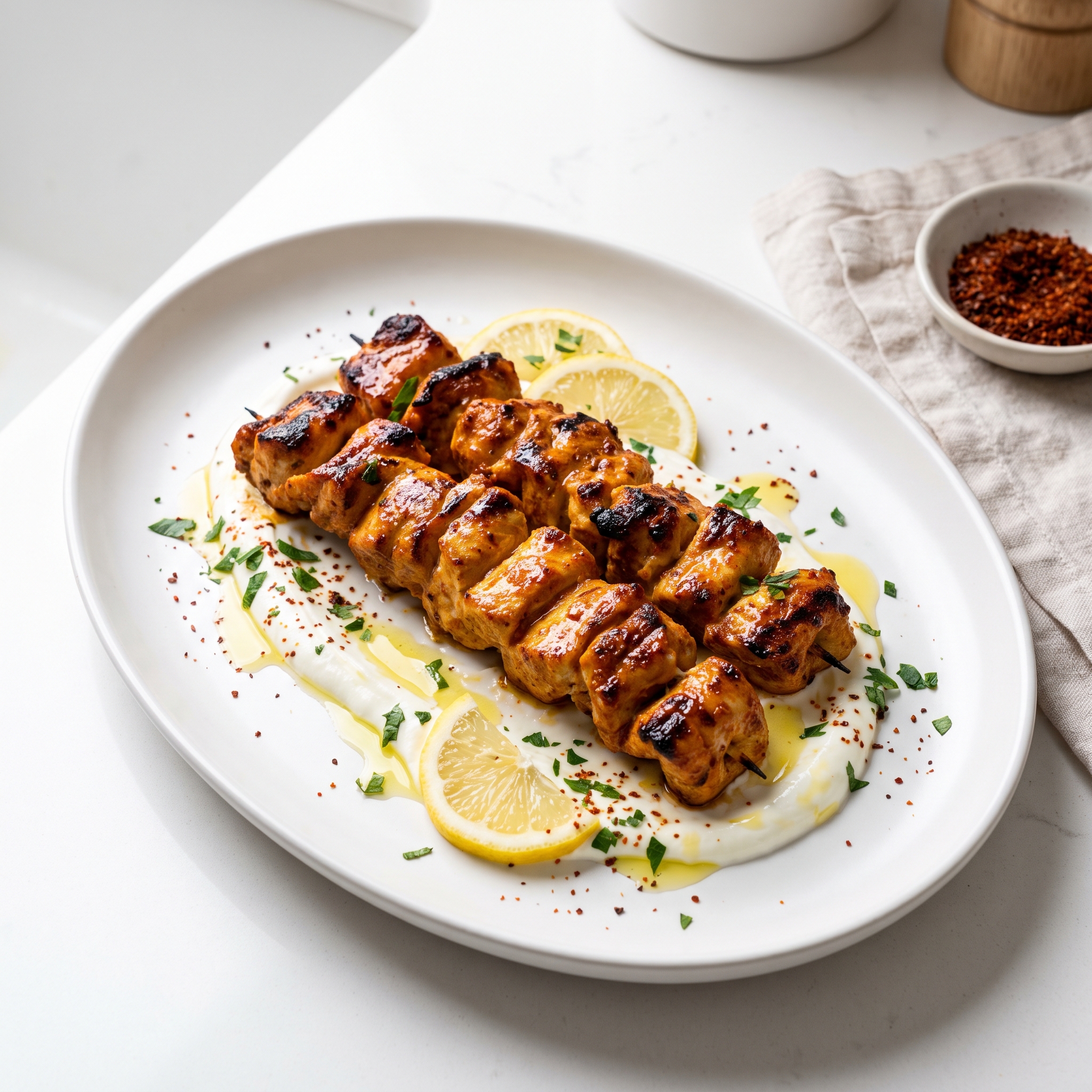
42 Turkish-Style Chicken Skewers
73g protein · 619 cal · 34g fat
73g protein and 619 calories per serving
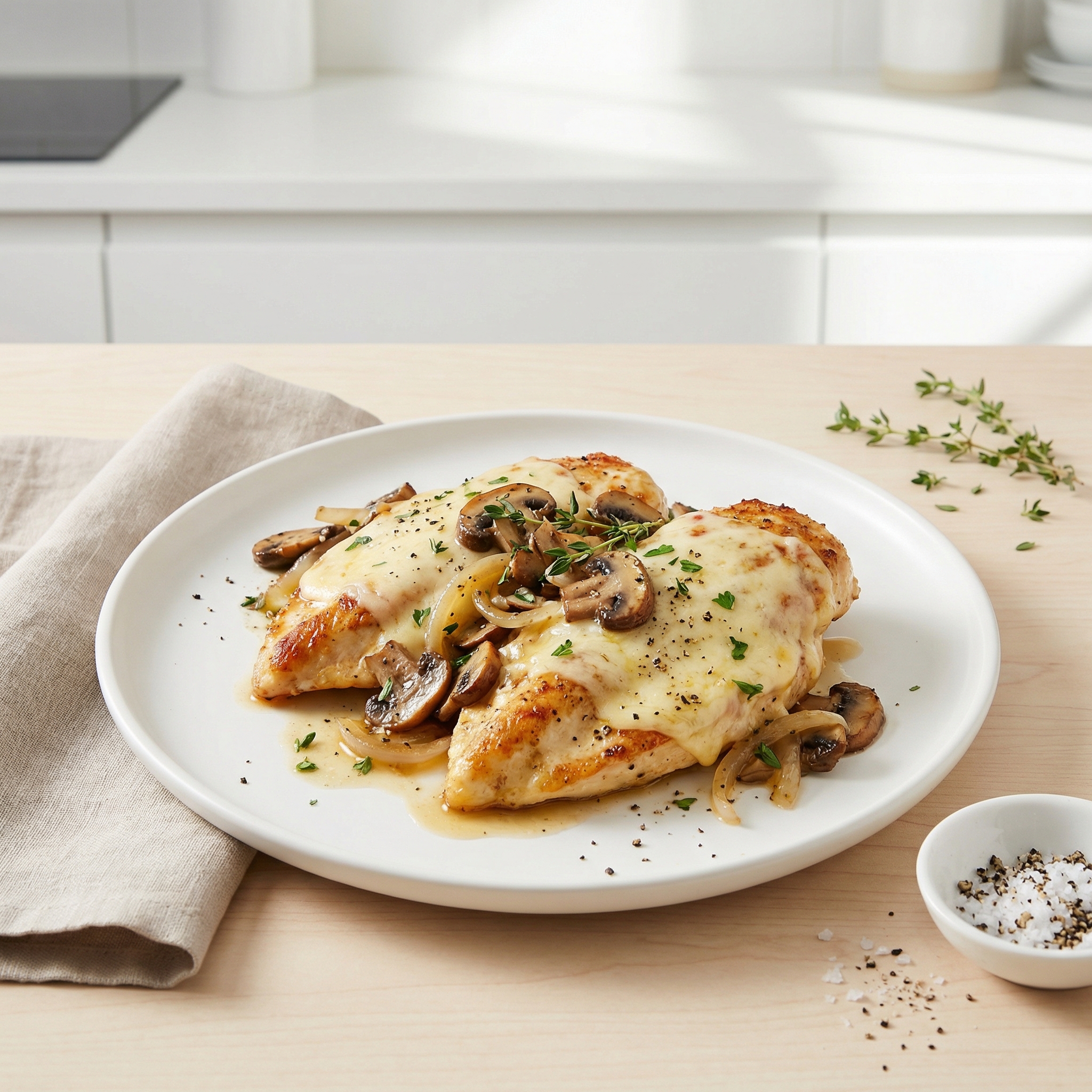 46
46 Chicken Gruyere with Sauteed Mushrooms
73g protein · 674 cal · 34g fat
73g protein and 674 calories per serving
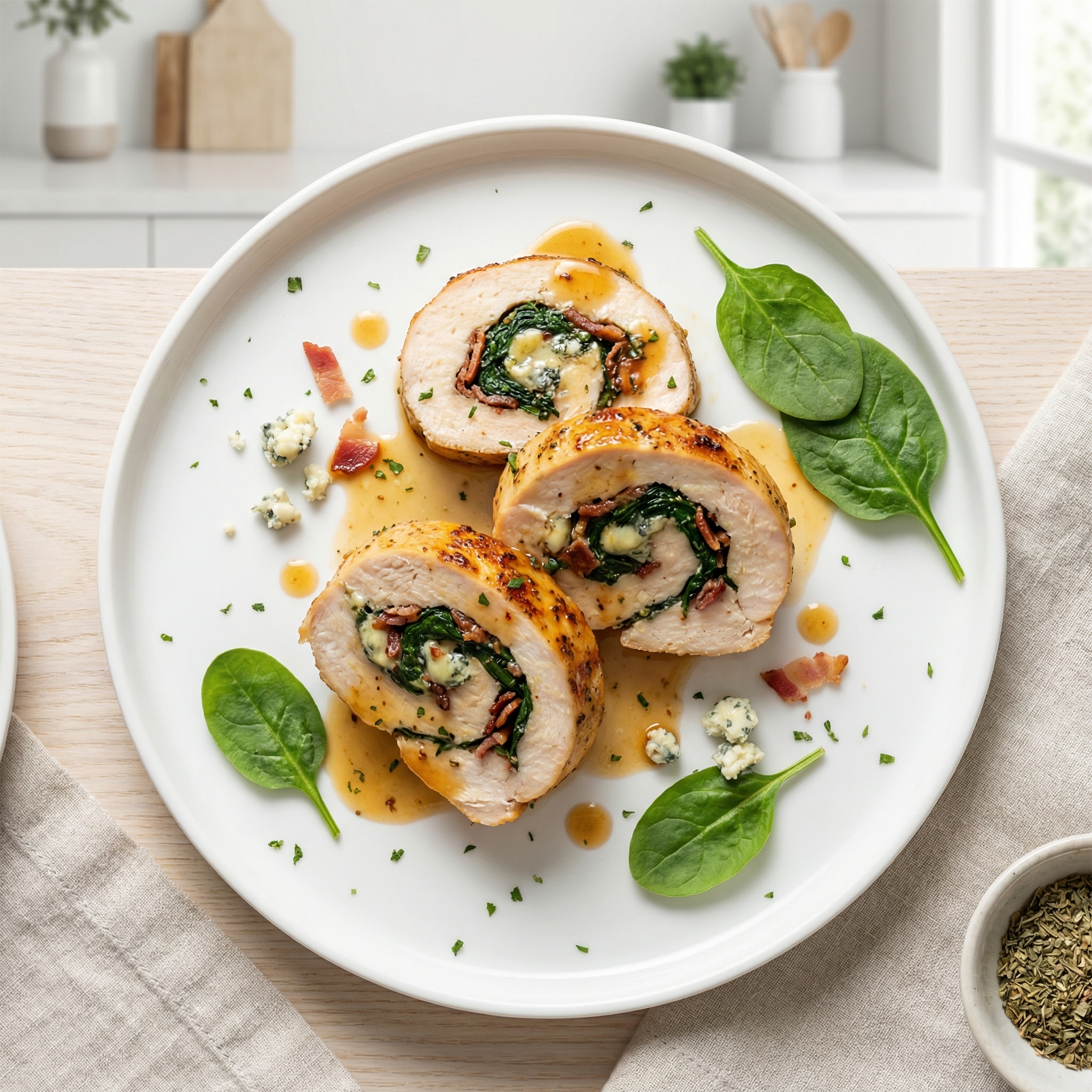 51
51 Chicken Breast Stuffed with Spinach Blue Cheese and Bacon
72g protein · 546 cal · 25g fat
72g protein and 546 calories per serving
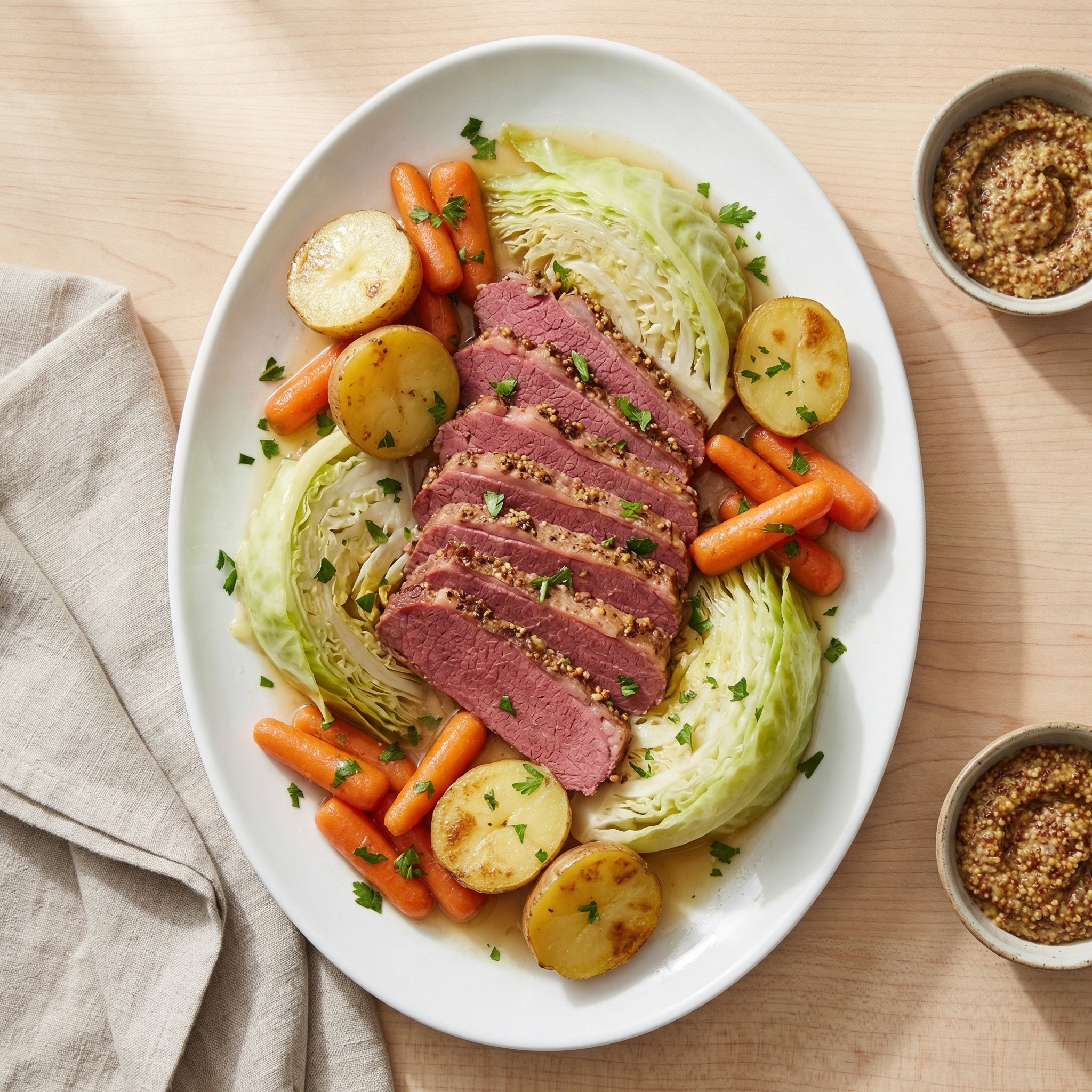 47
47 Crockpot Corned Beef with Cabbage and Vegetables
72g protein · 762 cal · 39g fat
72g protein and 762 calories per serving
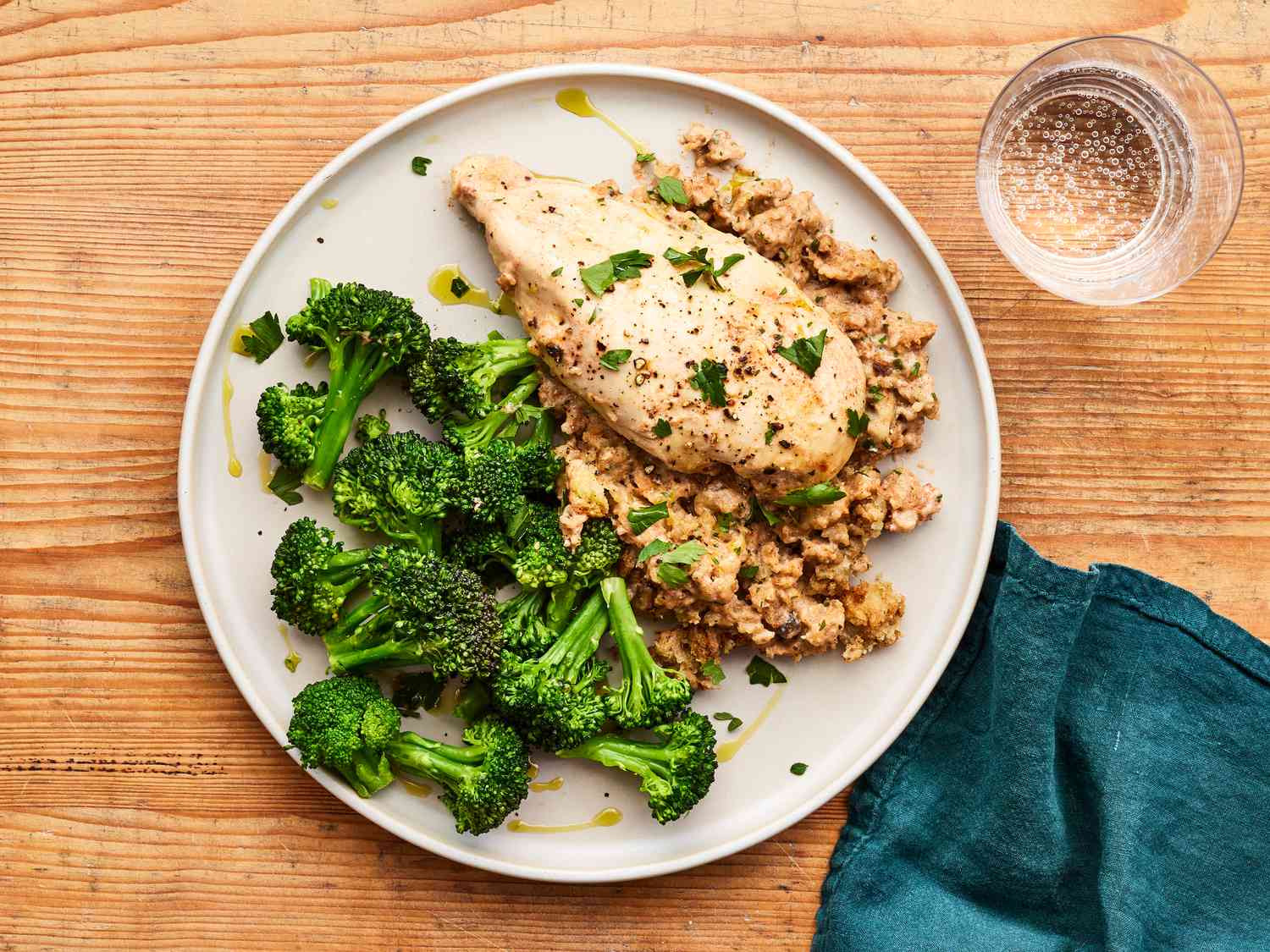 43
43 One-Pan Chicken with Herb Stuffing Casserole
72g protein · 822 cal · 18g fat
72g protein and 822 calories per serving
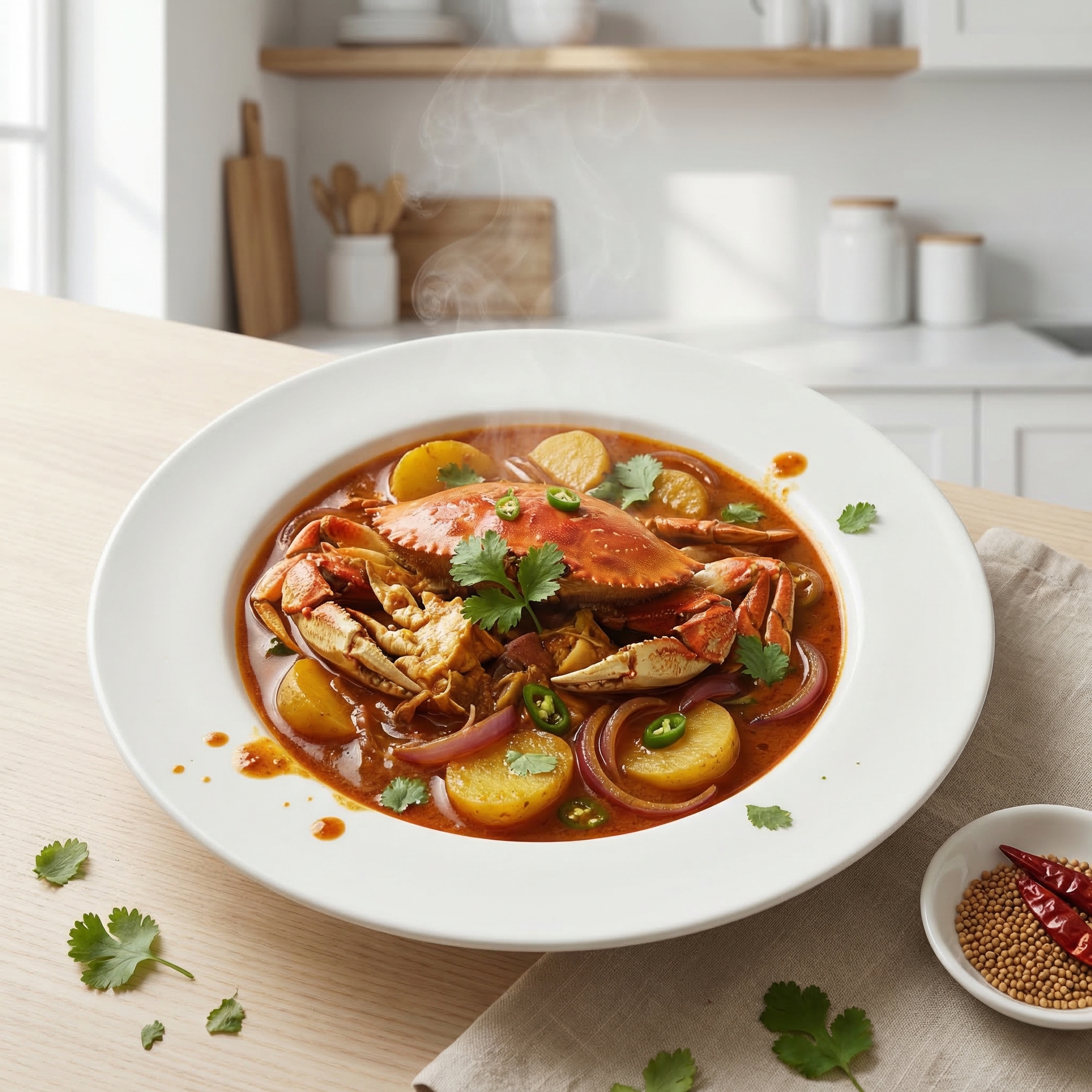 64
64 Bangladeshi-Style Fiery Crab Curry
71g protein · 605 cal · 11g fat
71g protein and 605 calories per serving
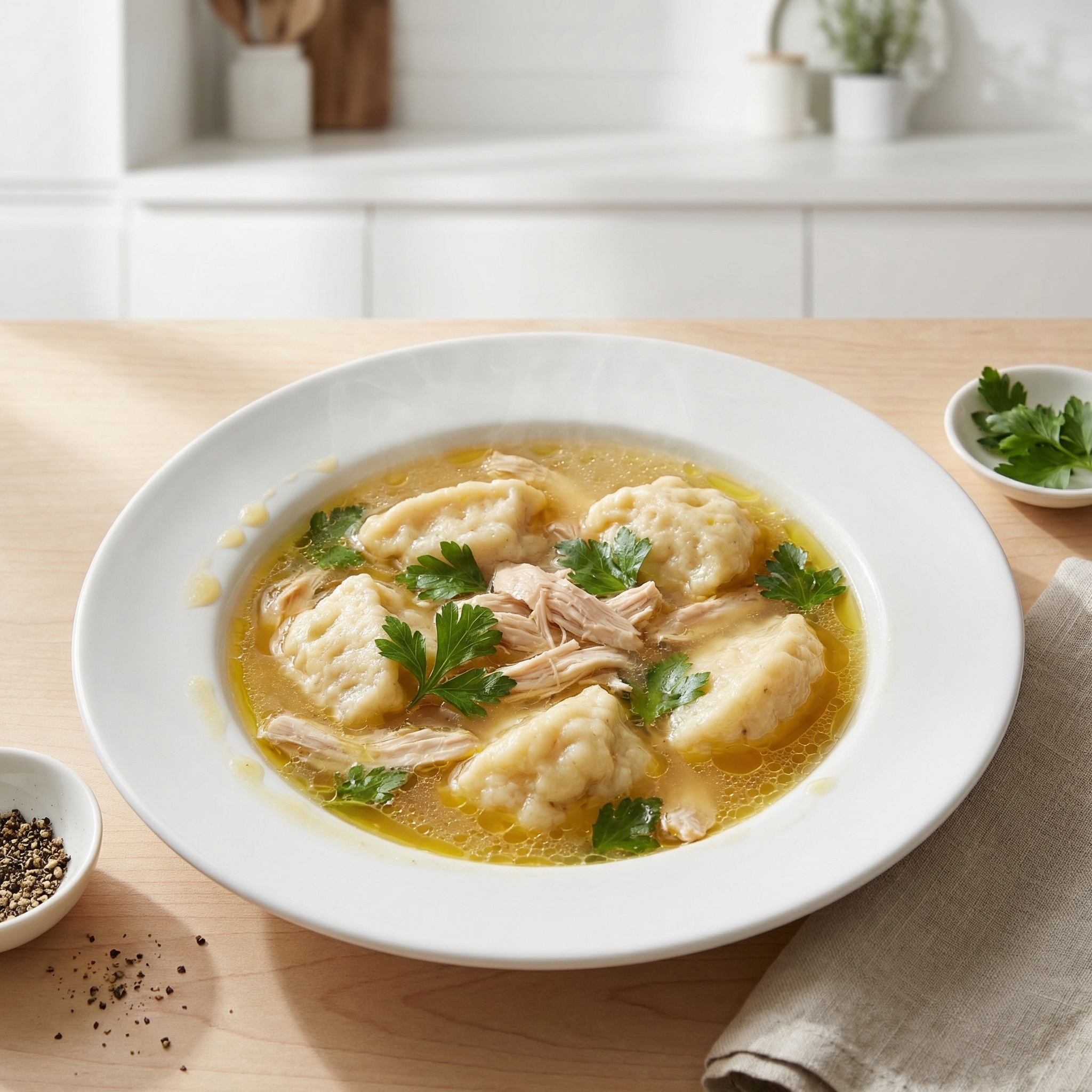 51
51 Classic Chicken with Homemade Dumplings
71g protein · 511 cal · 10g fat
71g protein and 511 calories per serving
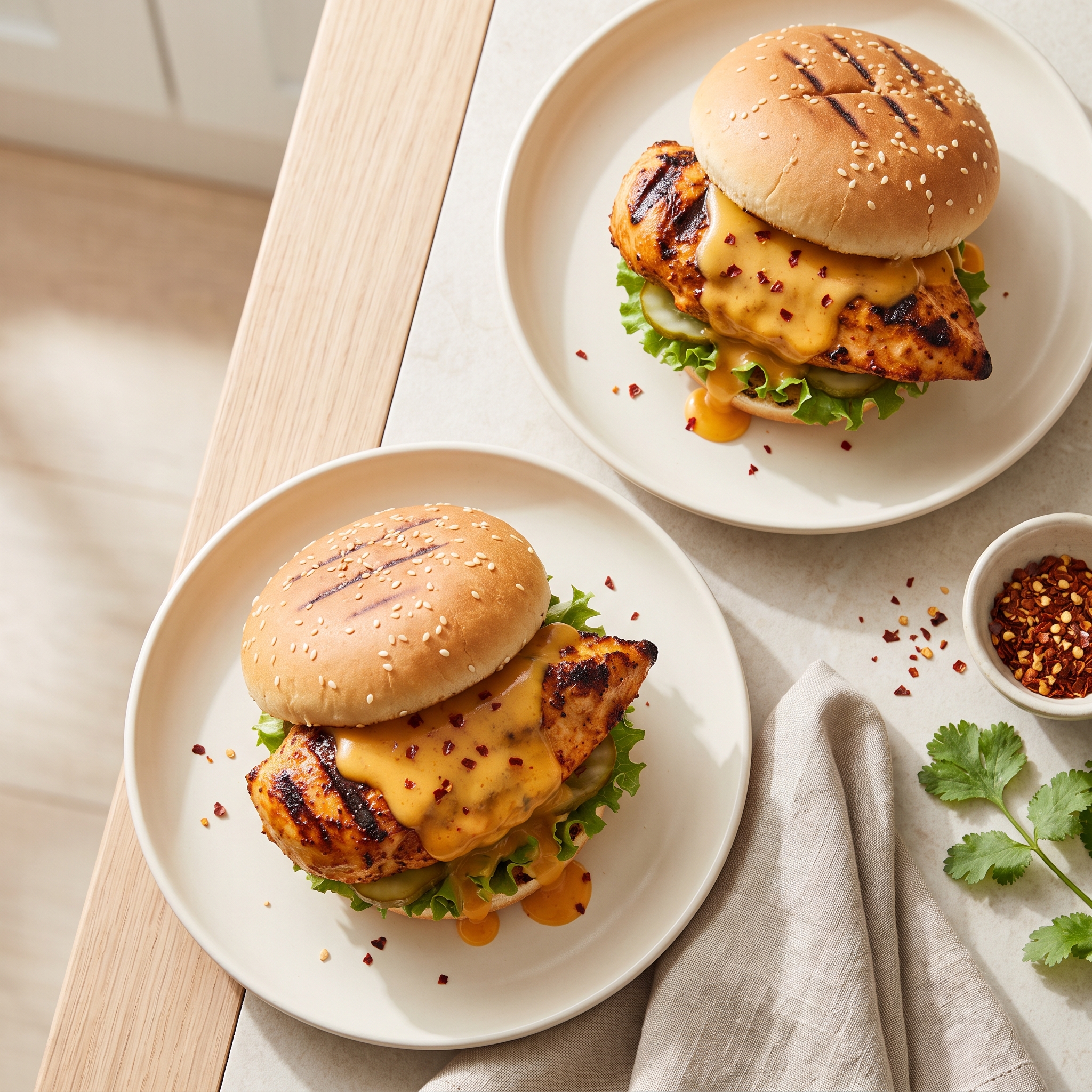 41
41 Fiery Chicken Burgers with Creamy Beer-Cheddar Sauce
71g protein · 823 cal · 34g fat
71g protein and 823 calories per serving
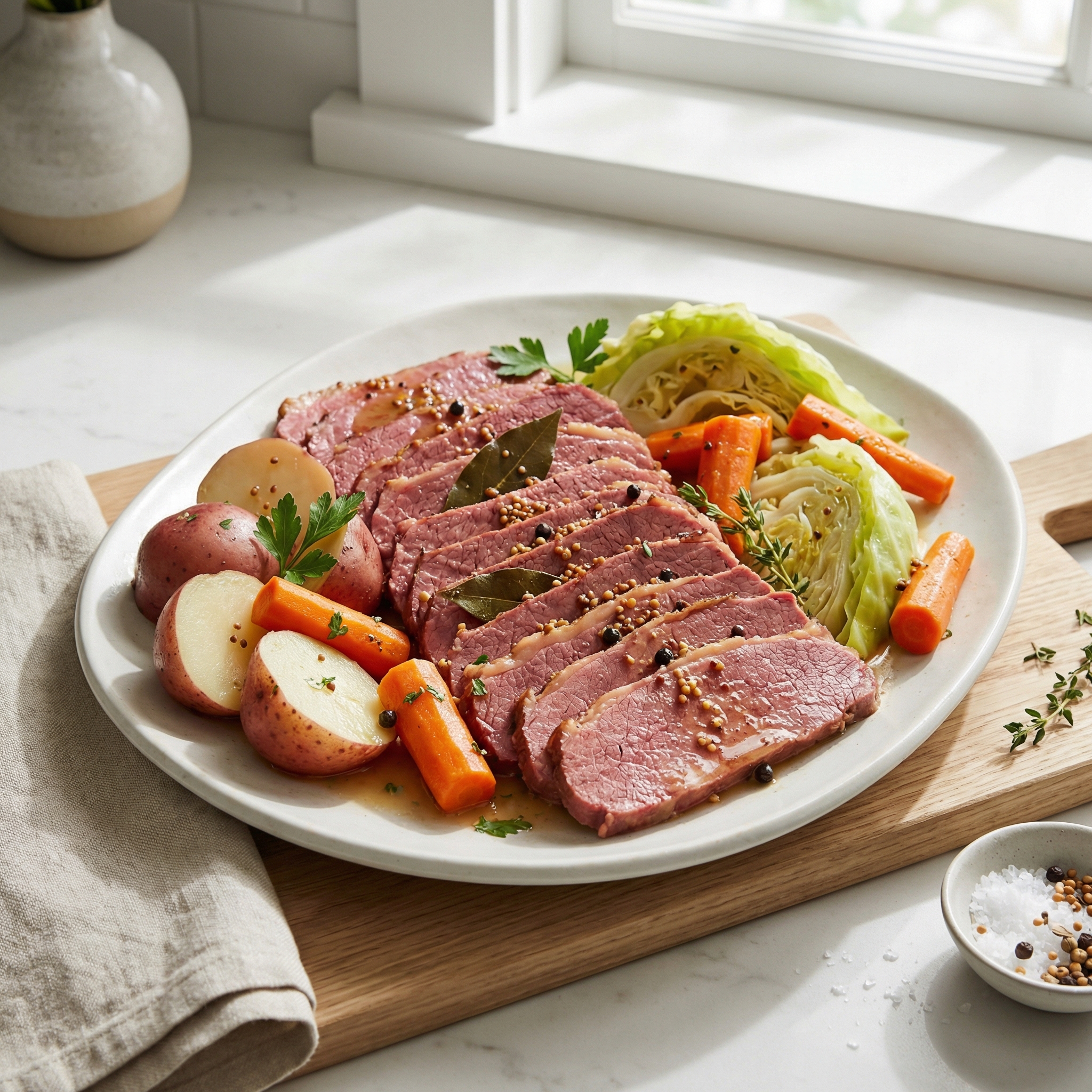 42
42 Brown Sugar and Apple-Infused Corned Beef
71g protein · 812 cal · 39g fat
71g protein and 812 calories per serving
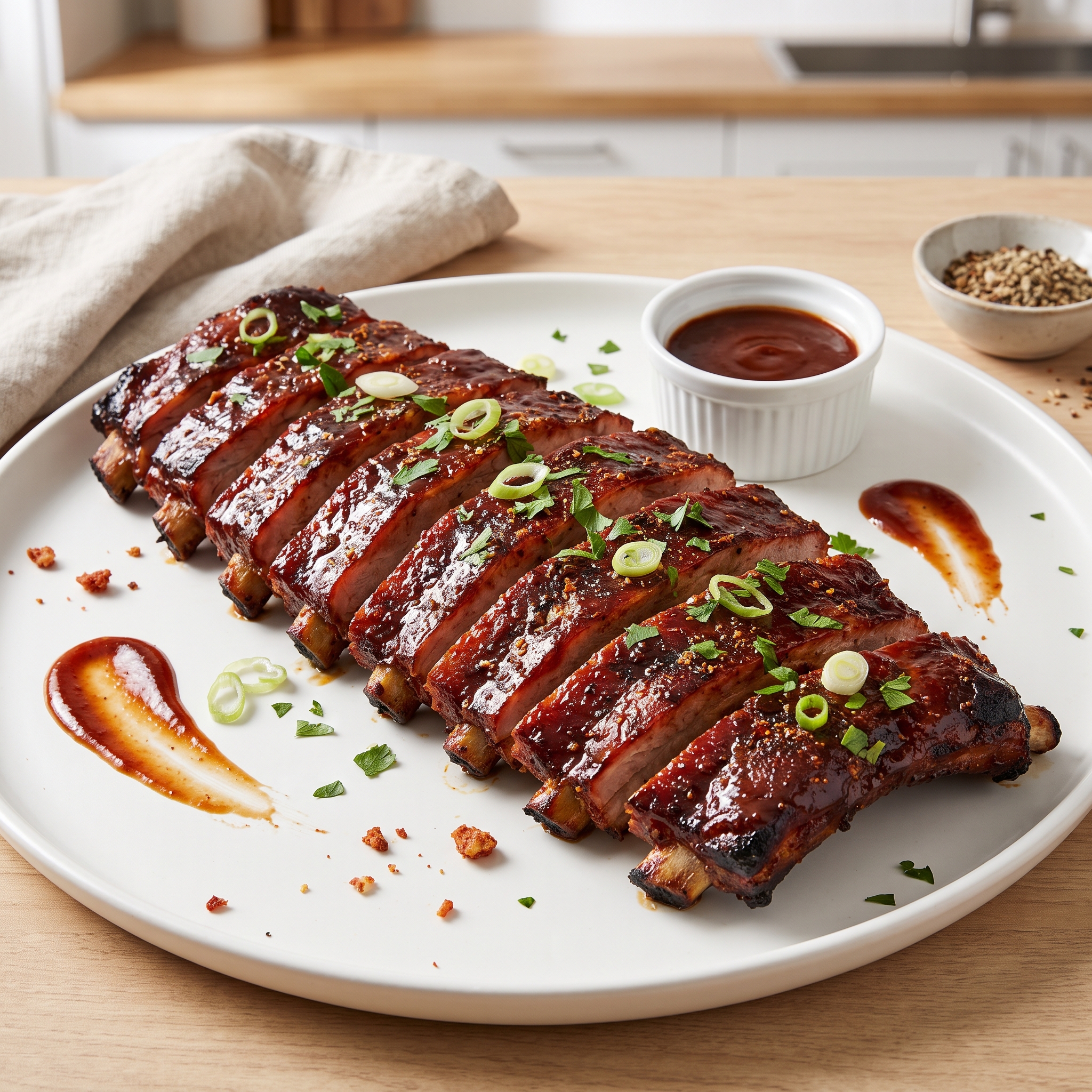 30
30 Oven-Roasted Baby Back Ribs
71g protein · 859 cal · 38g fat
71g protein and 859 calories per serving
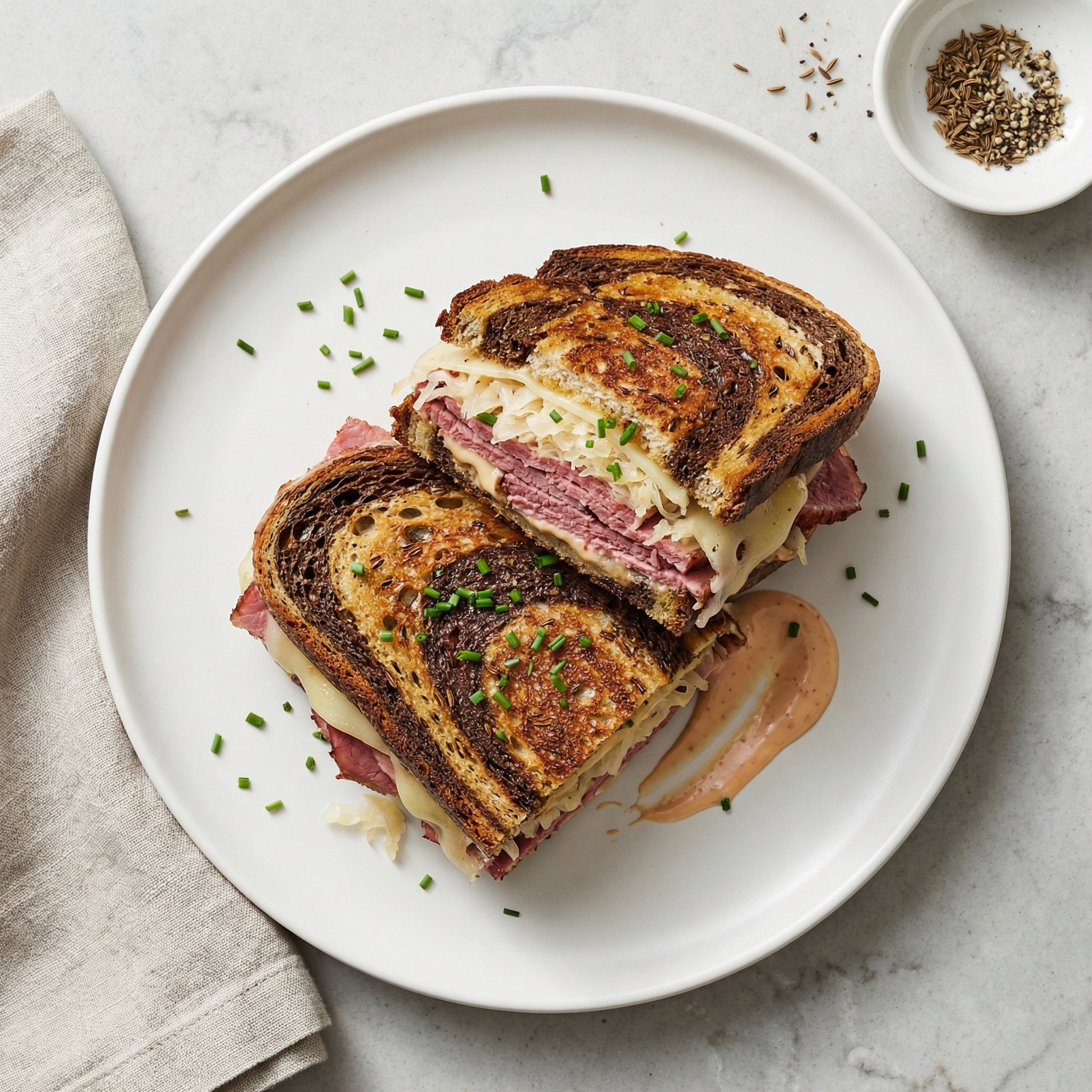 40
40 Slow Cooker Corned Beef Reuben Sandwiches
71g protein · 867 cal · 46g fat
71g protein and 867 calories per serving
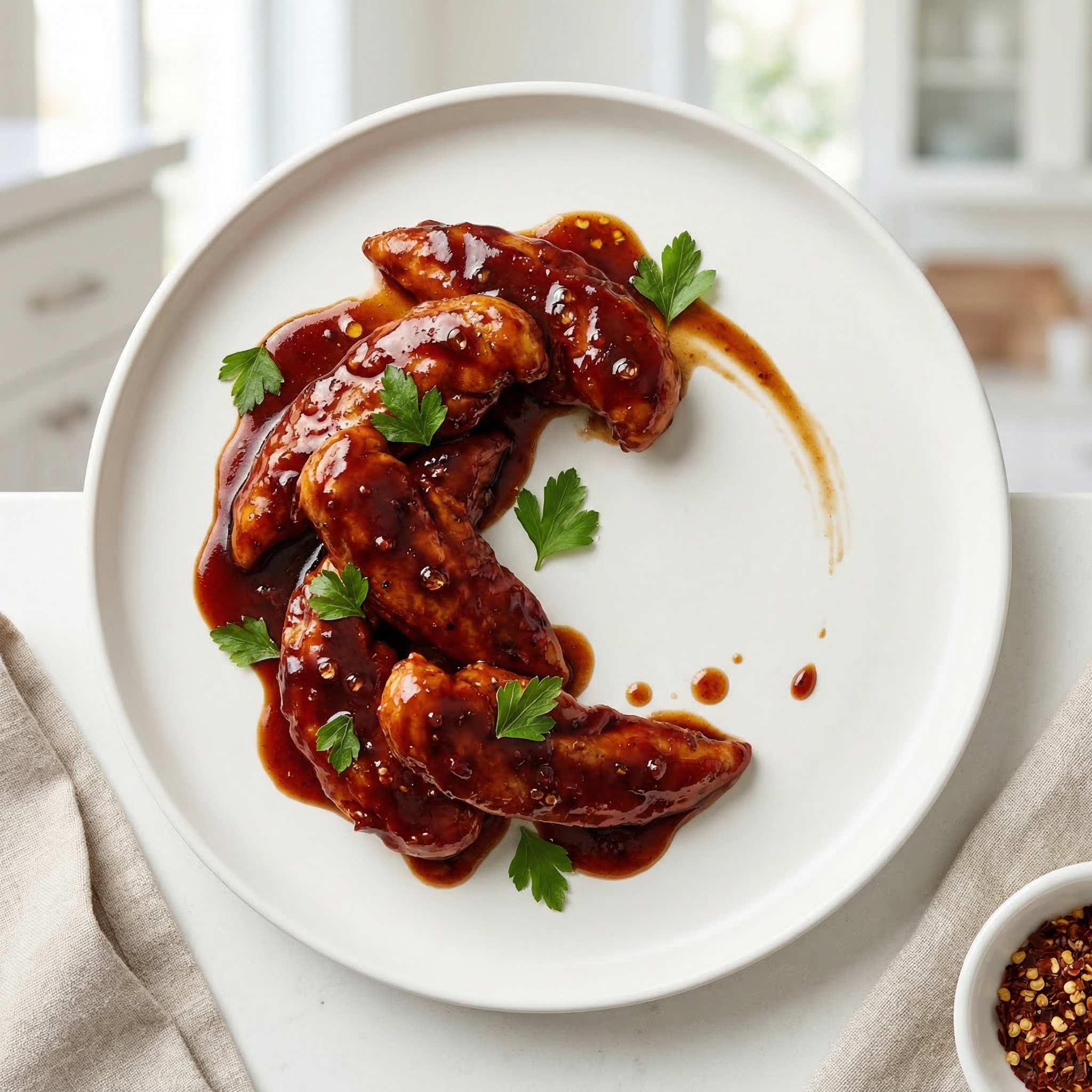 36
36 Last-Minute BBQ Chicken Strips
71g protein · 566 cal · 17g fat
71g protein and 566 calories per serving
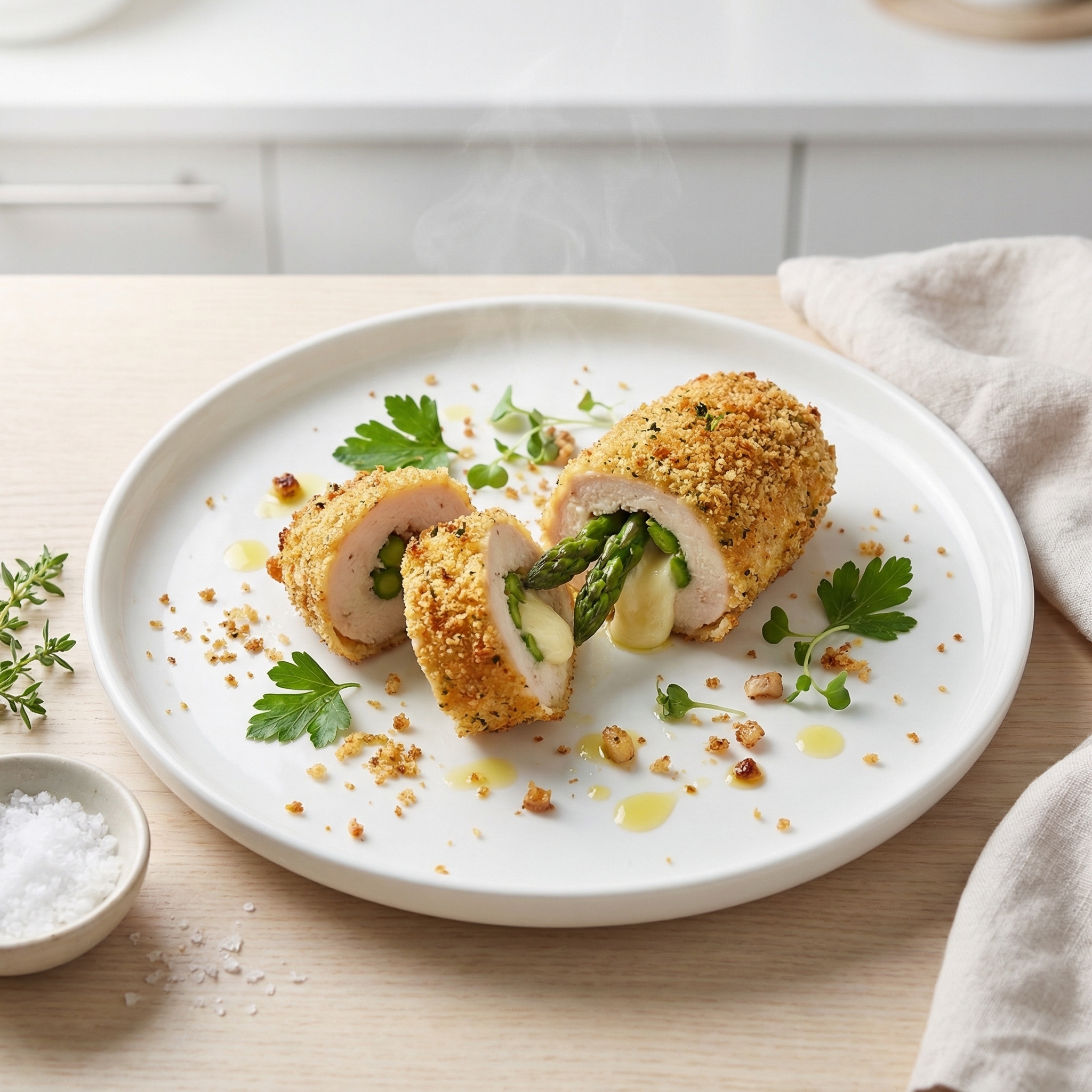 44
44 Chicken Breasts Stuffed with Asparagus and Mozzarella
71g protein · 605 cal · 27g fat
71g protein and 605 calories per serving
High-protein lunches
Lunch-tagged recipes, sorted by protein per serving. Protein, calories, and fat are per serving.
51 Chef John's Irish Stew
75g protein · 741 cal · 38g fat
75g protein and 741 calories per serving
46 Philadelphia-Inspired Chicken Cheese Hoagie
75g protein · 865 cal · 35g fat
75g protein and 865 calories per serving
41 Persian Duck Fesenjan Stew
74g protein · 881 cal · 49g fat
74g protein and 881 calories per serving
42 Tomato-Baked Chicken Parmesan
74g protein · 603 cal · 22g fat
74g protein and 603 calories per serving
47 Southwestern Chicken Tamale Casserole
74g protein · 604 cal · 26g fat
74g protein and 604 calories per serving
47 Oven-Roasted Chicken with Apple-Stuffed Casserole
74g protein · 855 cal · 17g fat
74g protein and 855 calories per serving
40 Green Chili and Cheese Chicken
73g protein · 553 cal · 26g fat
73g protein and 553 calories per serving
32 Asian Style Country Ribs
73g protein · 923 cal · 63g fat
73g protein and 923 calories per serving
34 Slow Cooker Honey-Glazed Spiral Ham
73g protein · 604 cal · 24g fat
73g protein and 604 calories per serving
51 Citrus Chicken Stir Fry
73g protein · 941 cal · 15g fat
73g protein and 941 calories per serving
43 Stuffed Tomato Basil Chicken
73g protein · 479 cal · 16g fat
73g protein and 479 calories per serving
42 Turkish-Style Chicken Skewers
73g protein · 619 cal · 34g fat
73g protein and 619 calories per serving
46 Chicken Gruyere with Sauteed Mushrooms
73g protein · 674 cal · 34g fat
73g protein and 674 calories per serving
51 Chicken Breast Stuffed with Spinach Blue Cheese and Bacon
72g protein · 546 cal · 25g fat
72g protein and 546 calories per serving
47 Crockpot Corned Beef with Cabbage and Vegetables
72g protein · 762 cal · 39g fat
72g protein and 762 calories per serving
43 One-Pan Chicken with Herb Stuffing Casserole
72g protein · 822 cal · 18g fat
72g protein and 822 calories per serving
64 Bangladeshi-Style Fiery Crab Curry
71g protein · 605 cal · 11g fat
71g protein and 605 calories per serving
51 Classic Chicken with Homemade Dumplings
71g protein · 511 cal · 10g fat
71g protein and 511 calories per serving
41 Fiery Chicken Burgers with Creamy Beer-Cheddar Sauce
71g protein · 823 cal · 34g fat
71g protein and 823 calories per serving
42 Brown Sugar and Apple-Infused Corned Beef
71g protein · 812 cal · 39g fat
71g protein and 812 calories per serving
30 Oven-Roasted Baby Back Ribs
71g protein · 859 cal · 38g fat
71g protein and 859 calories per serving
40 Slow Cooker Corned Beef Reuben Sandwiches
71g protein · 867 cal · 46g fat
71g protein and 867 calories per serving
36 Last-Minute BBQ Chicken Strips
71g protein · 566 cal · 17g fat
71g protein and 566 calories per serving
44 Chicken Breasts Stuffed with Asparagus and Mozzarella
71g protein · 605 cal · 27g fat
71g protein and 605 calories per serving
Low-calorie high-protein meals
High-protein recipes at 500 calories or fewer per serving. Protein, calories, and fat are per serving.
43 Stuffed Tomato Basil Chicken
73g protein · 479 cal · 16g fat
479 calories with 73g protein per serving
 45
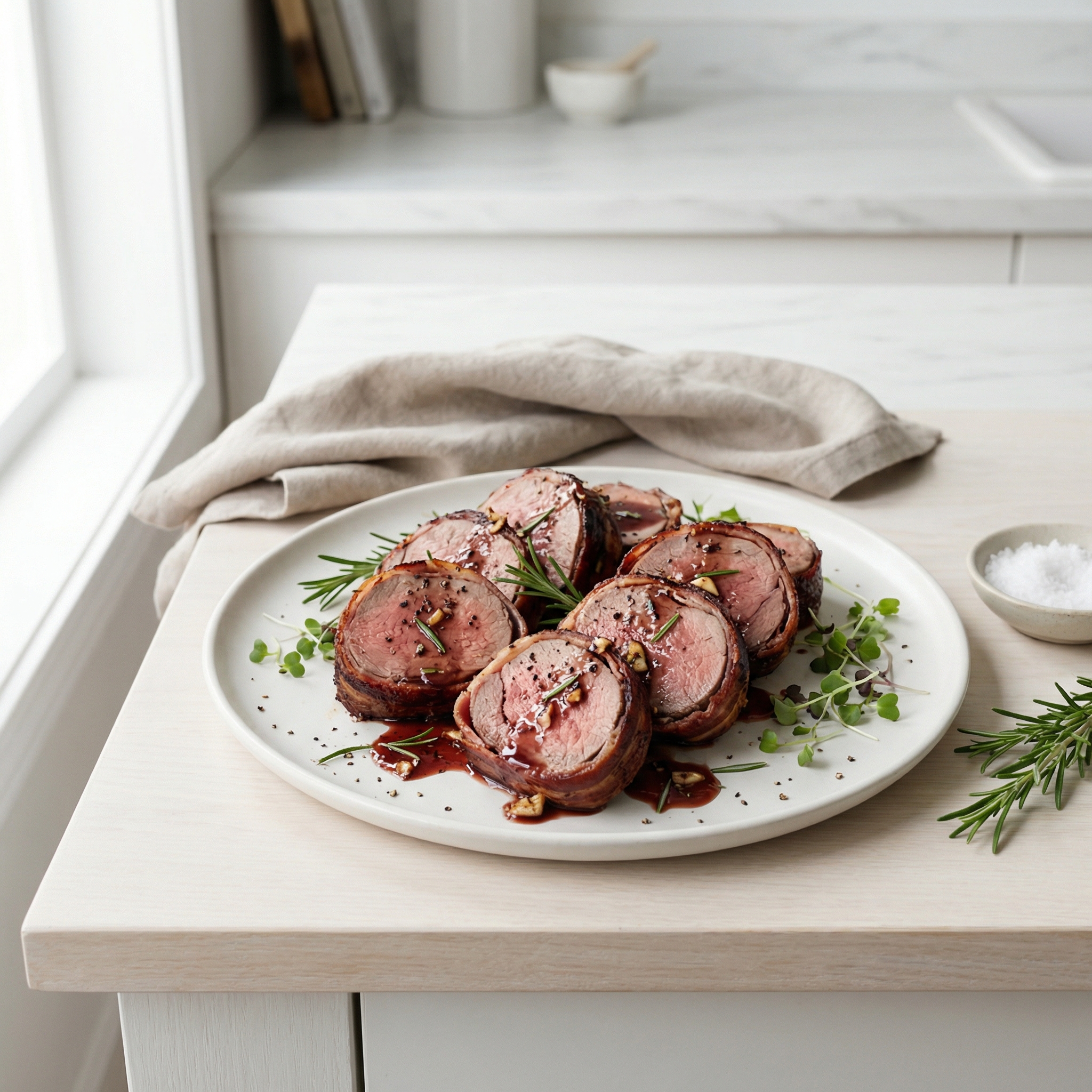
45 Bacon-Clad Roast Leg of Lamb with Red Wine Pan Sauce
70g protein · 487 cal · 21g fat
487 calories with 70g protein per serving
 40
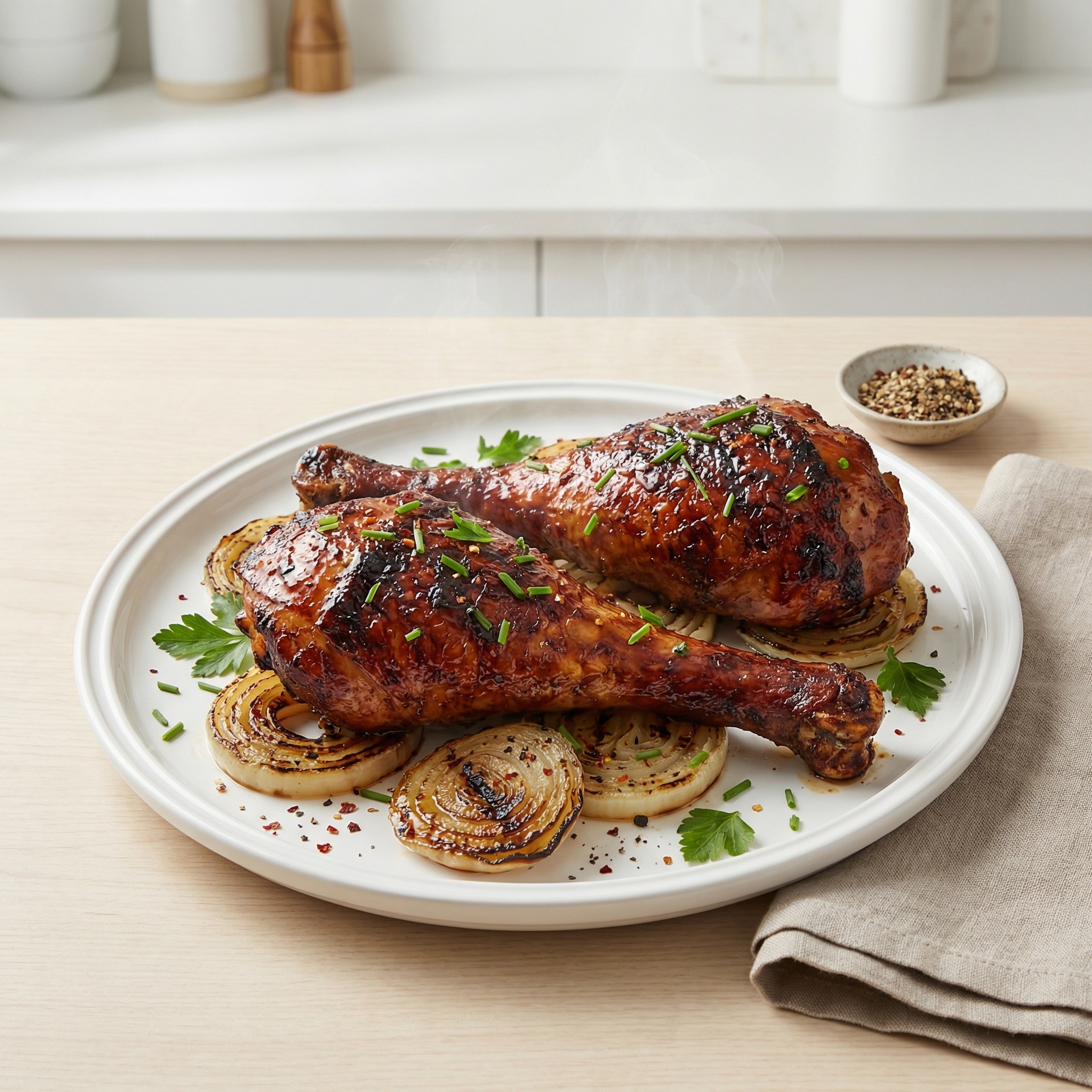
40 Char-Grilled Turkey Drumsticks
69g protein · 457 cal · 10g fat
457 calories with 69g protein per serving
 38
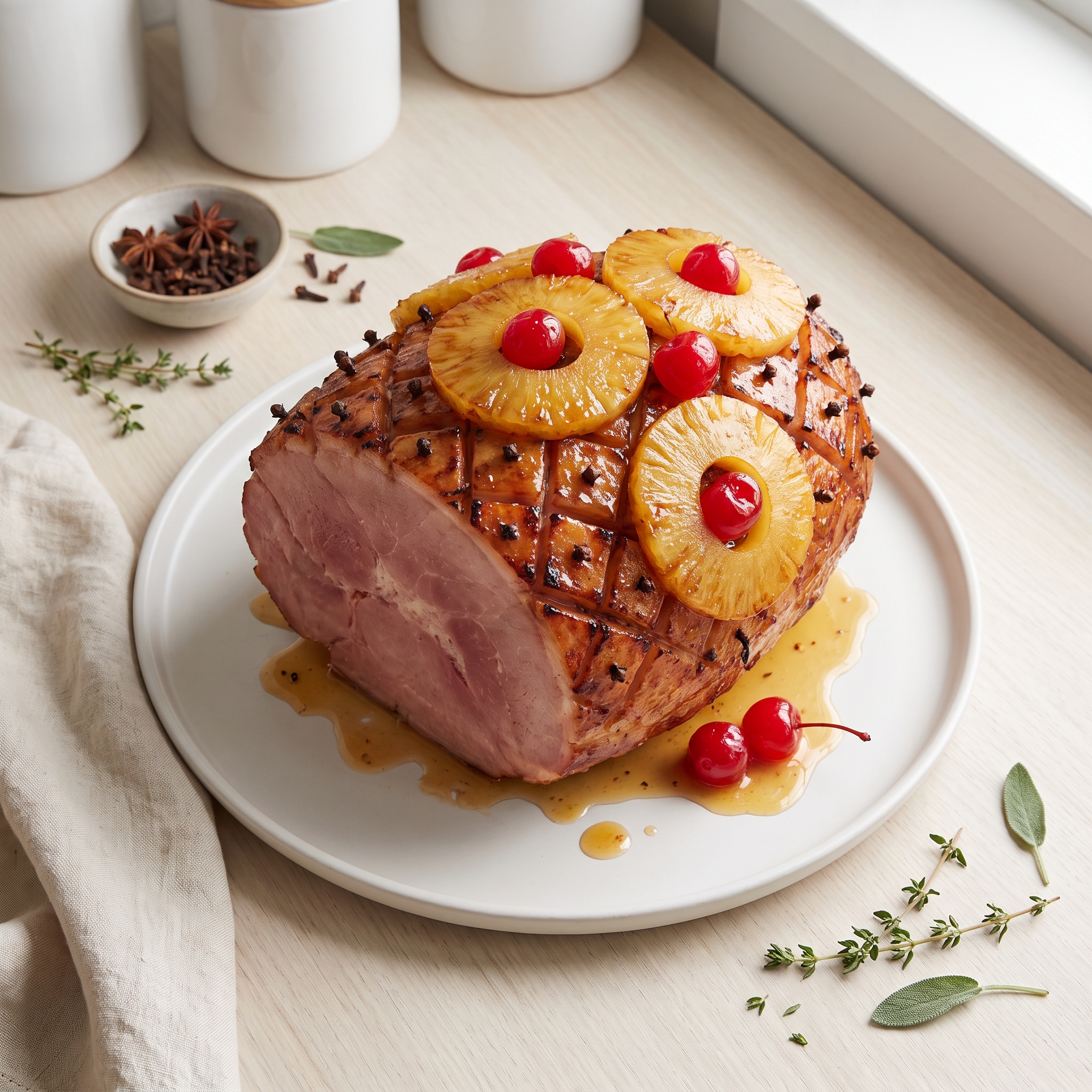
38 Pineapple-Glazed Baked Ham
69g protein · 461 cal · 16g fat
461 calories with 69g protein per serving
 50
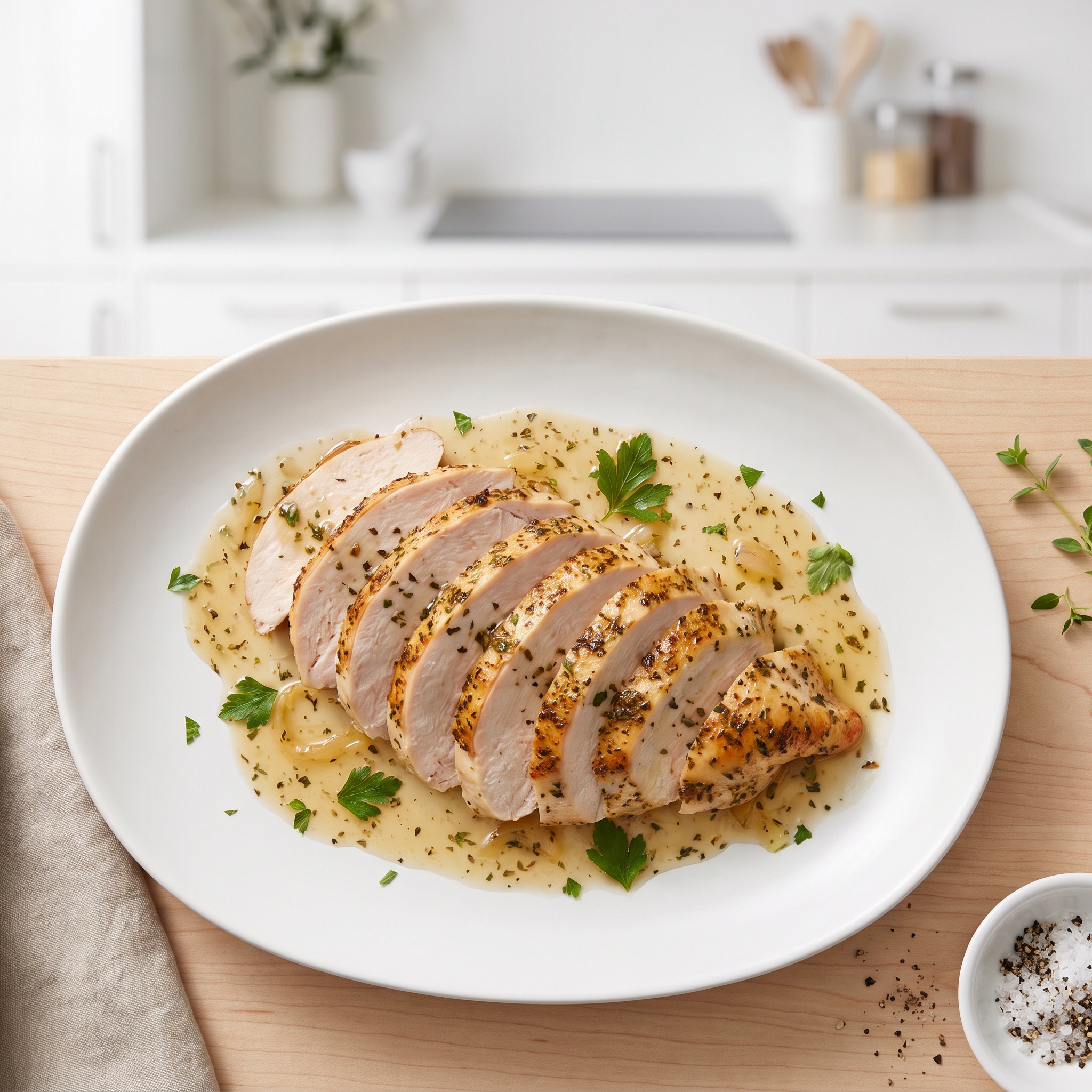
50 Crockpot Boneless Turkey Breast Roast
69g protein · 438 cal · 10g fat
438 calories with 69g protein per serving
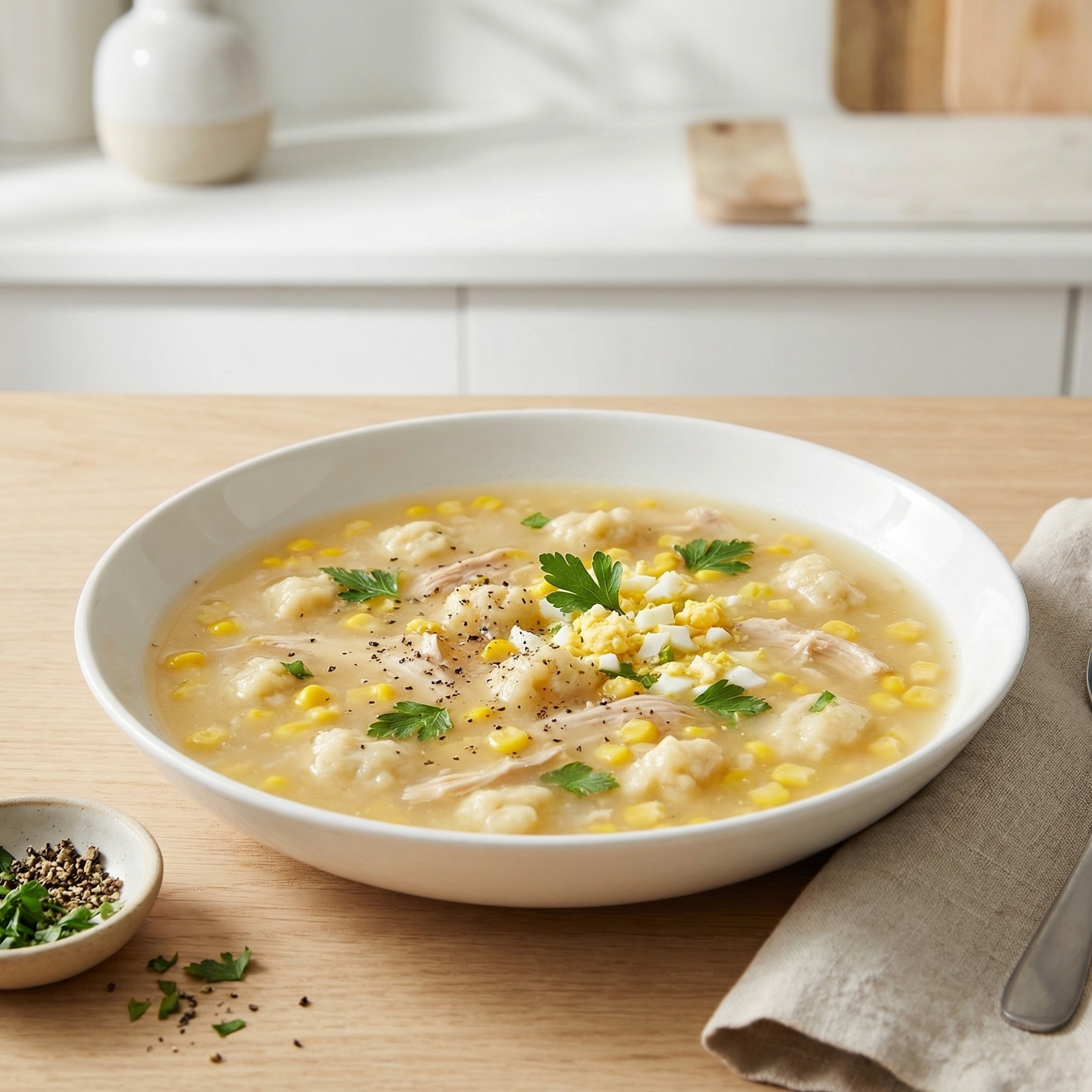 51
51 Classic Pennsylvania Dutch Chicken and Corn Soup
67g protein · 440 cal · 9g fat
440 calories with 67g protein per serving
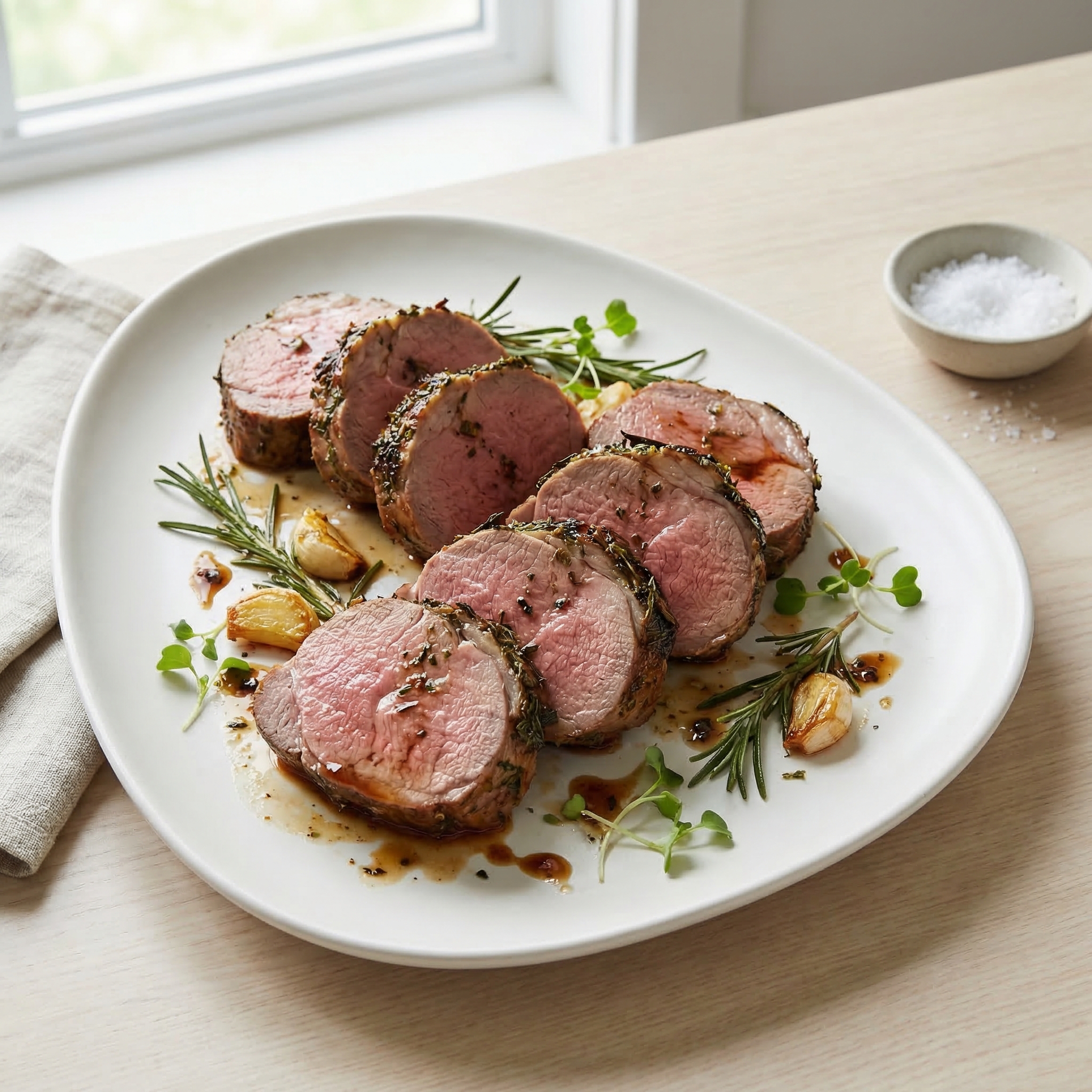 55
55 Garlic-Rosemary Roasted Boneless Leg of Lamb
66g protein · 409 cal · 15g fat
409 calories with 66g protein per serving
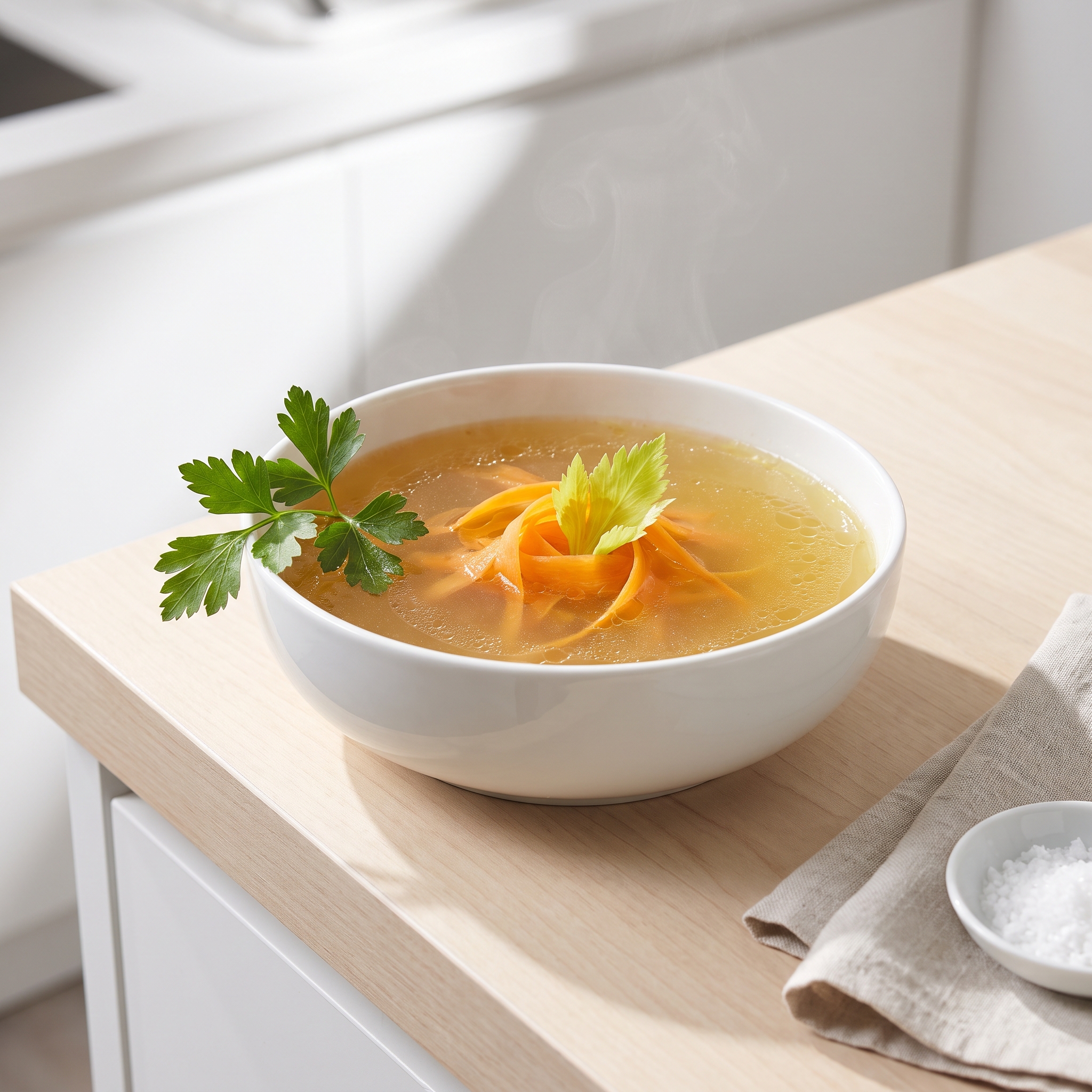 46
46 Double Chicken Broth (Sipping Tea)
66g protein · 459 cal · 7g fat
459 calories with 66g protein per serving
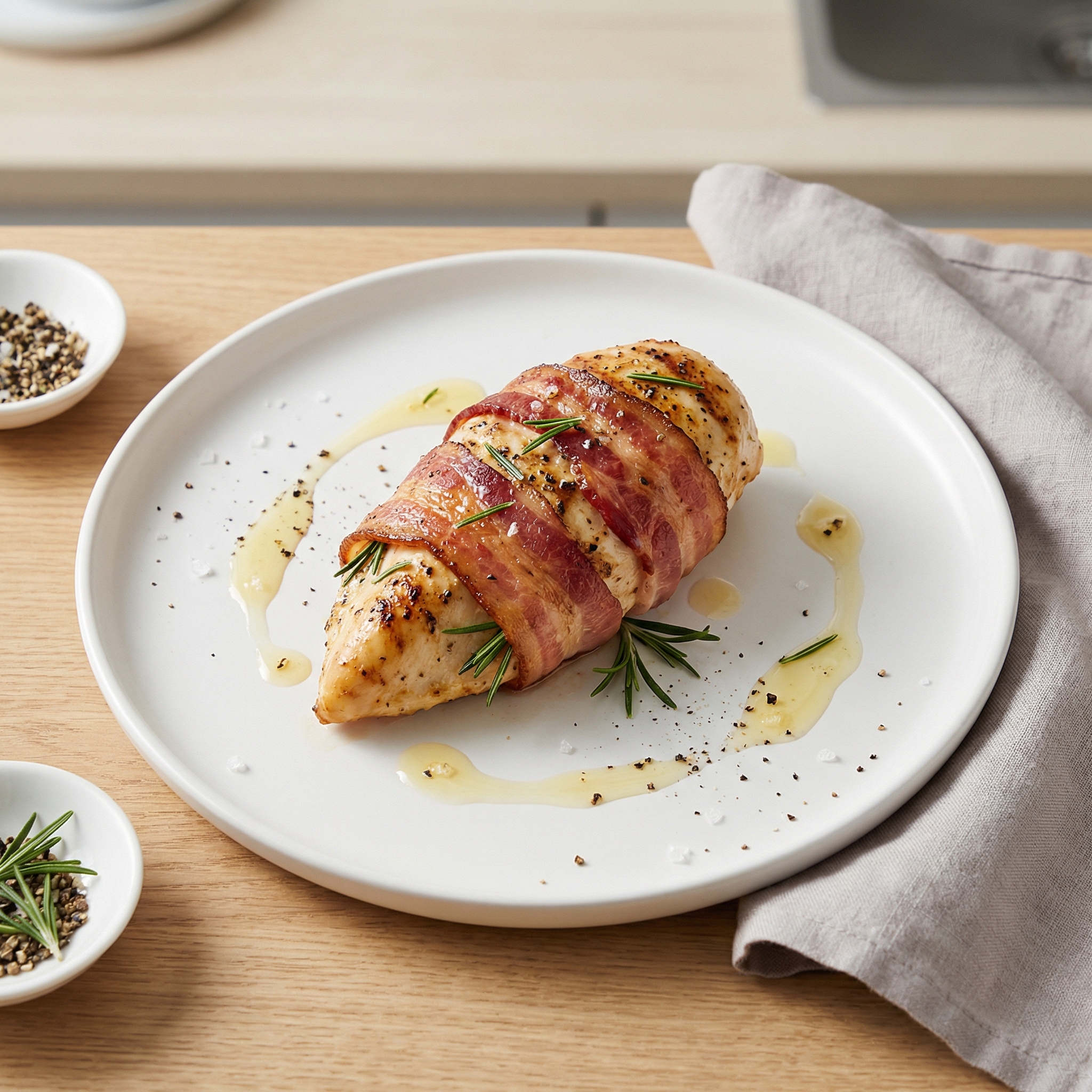 51
51 Rosemary-Bacon Grilled Chicken Breasts
66g protein · 395 cal · 13g fat
395 calories with 66g protein per serving
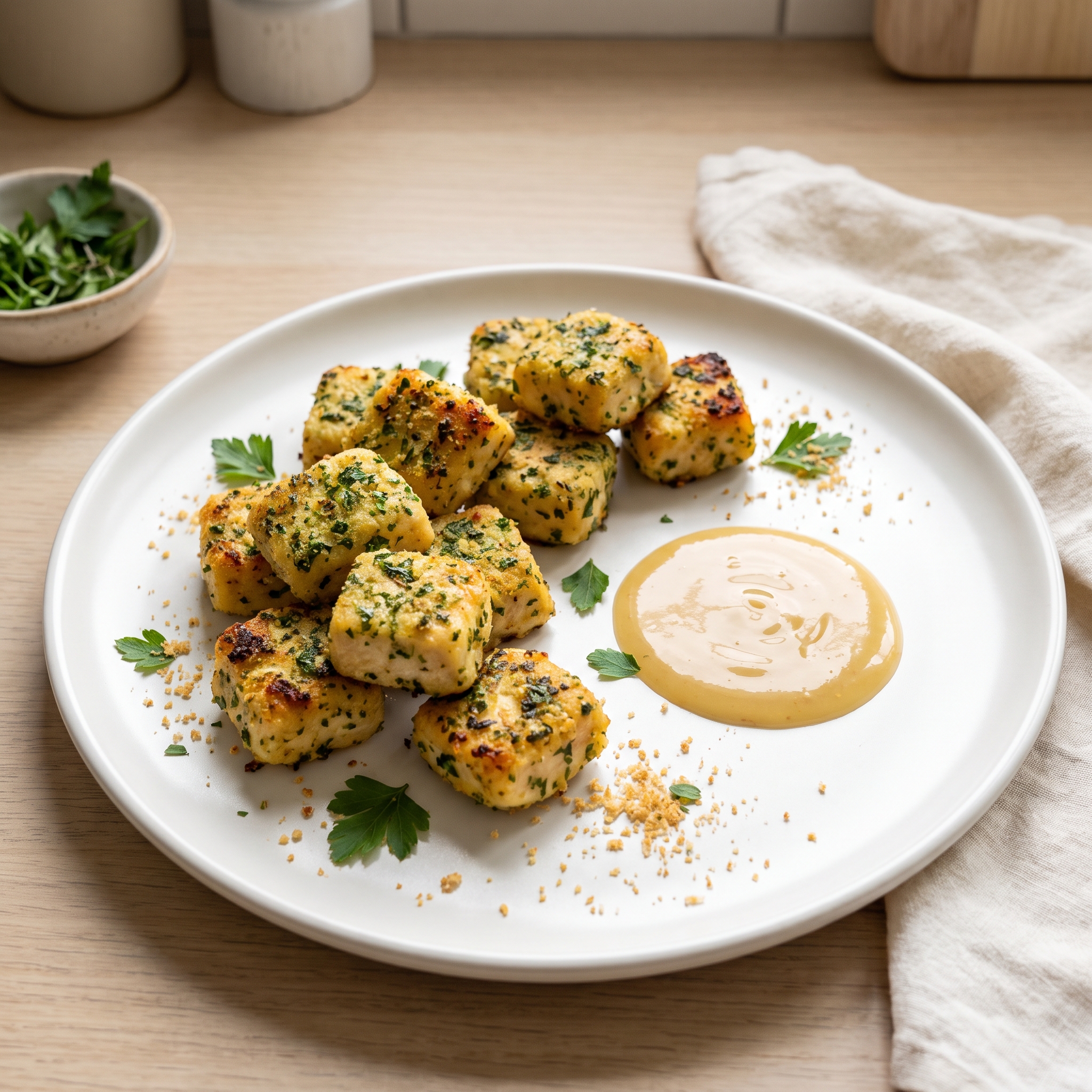 49
49 Herbed Chicken Nuggets
65g protein · 477 cal · 12g fat
477 calories with 65g protein per serving
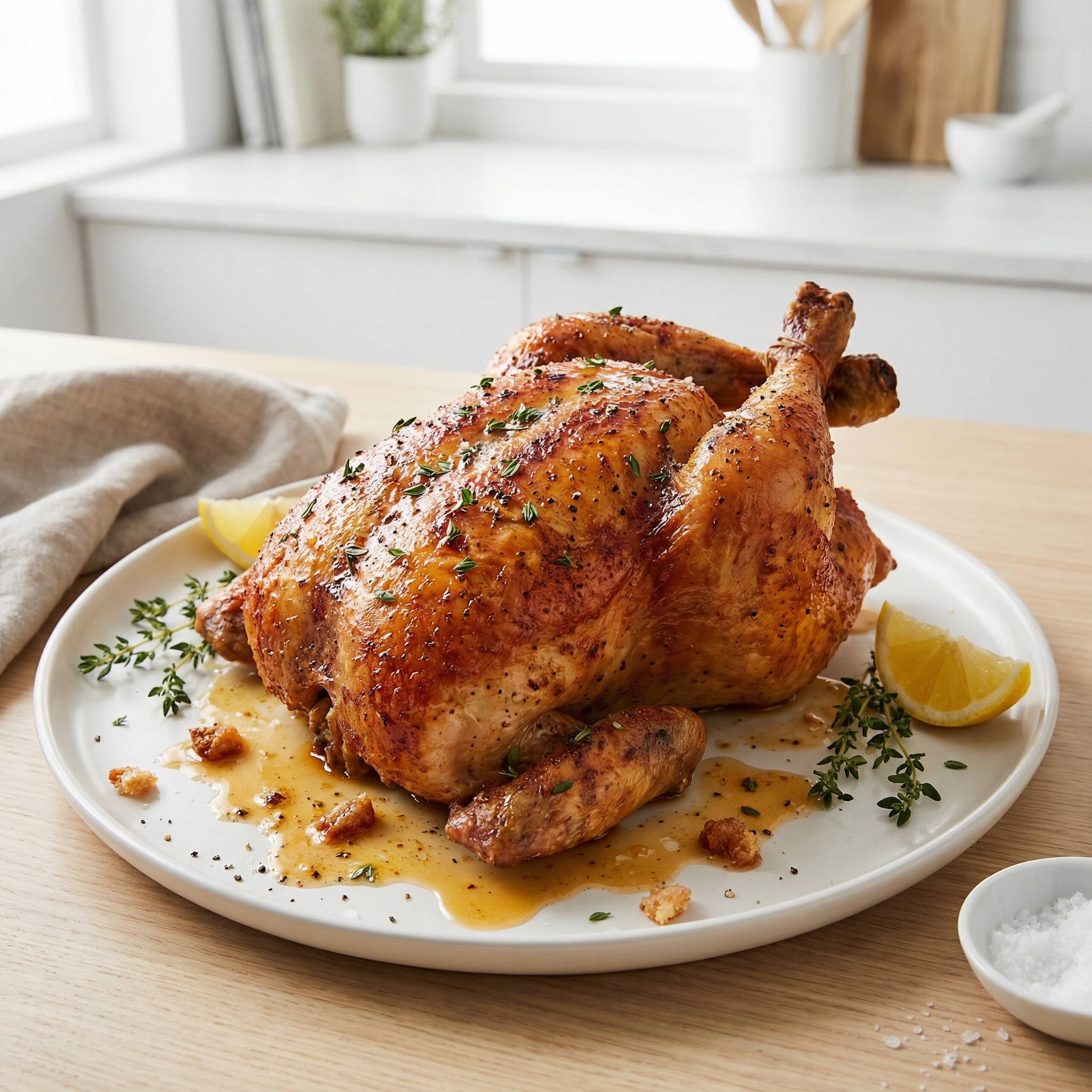 57
57 Crispy Air-Fryer Rotisserie-Style Chicken
65g protein · 416 cal · 17g fat
416 calories with 65g protein per serving
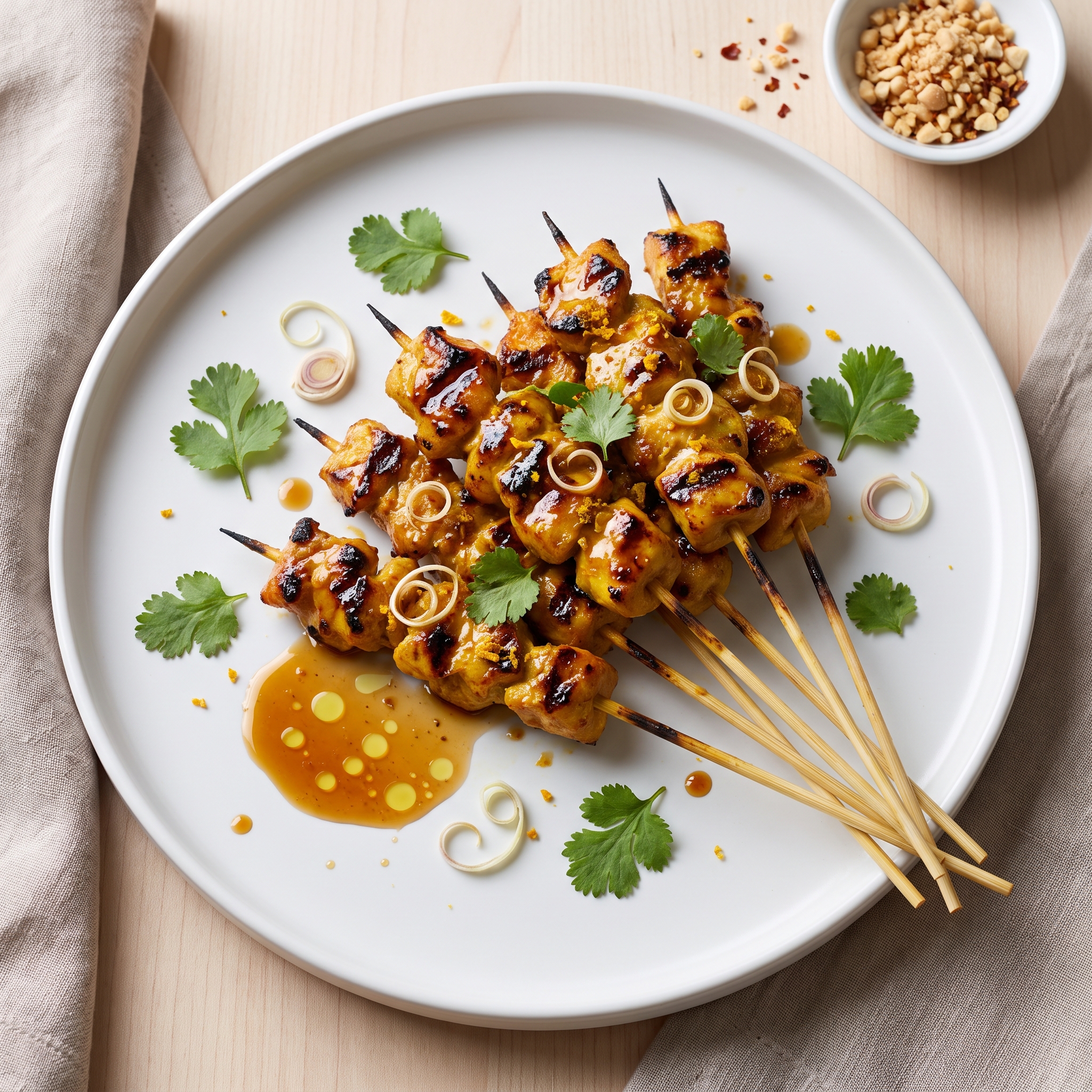 47
47 Singapore-Style Chicken Satay Skewers
65g protein · 464 cal · 15g fat
464 calories with 65g protein per serving
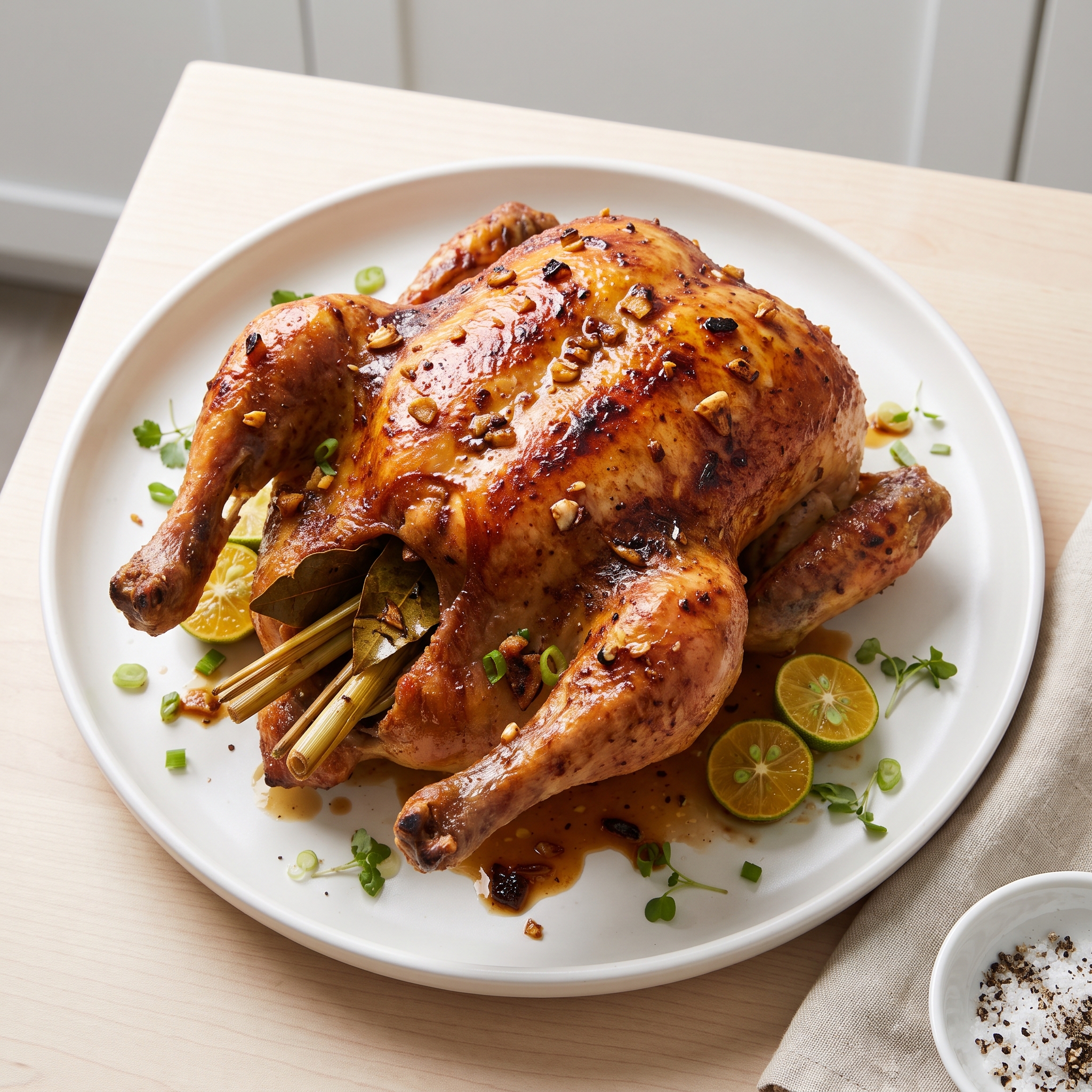 47
47 Lechon Manok (Pinoy Roast Chicken)
65g protein · 376 cal · 9g fat
376 calories with 65g protein per serving
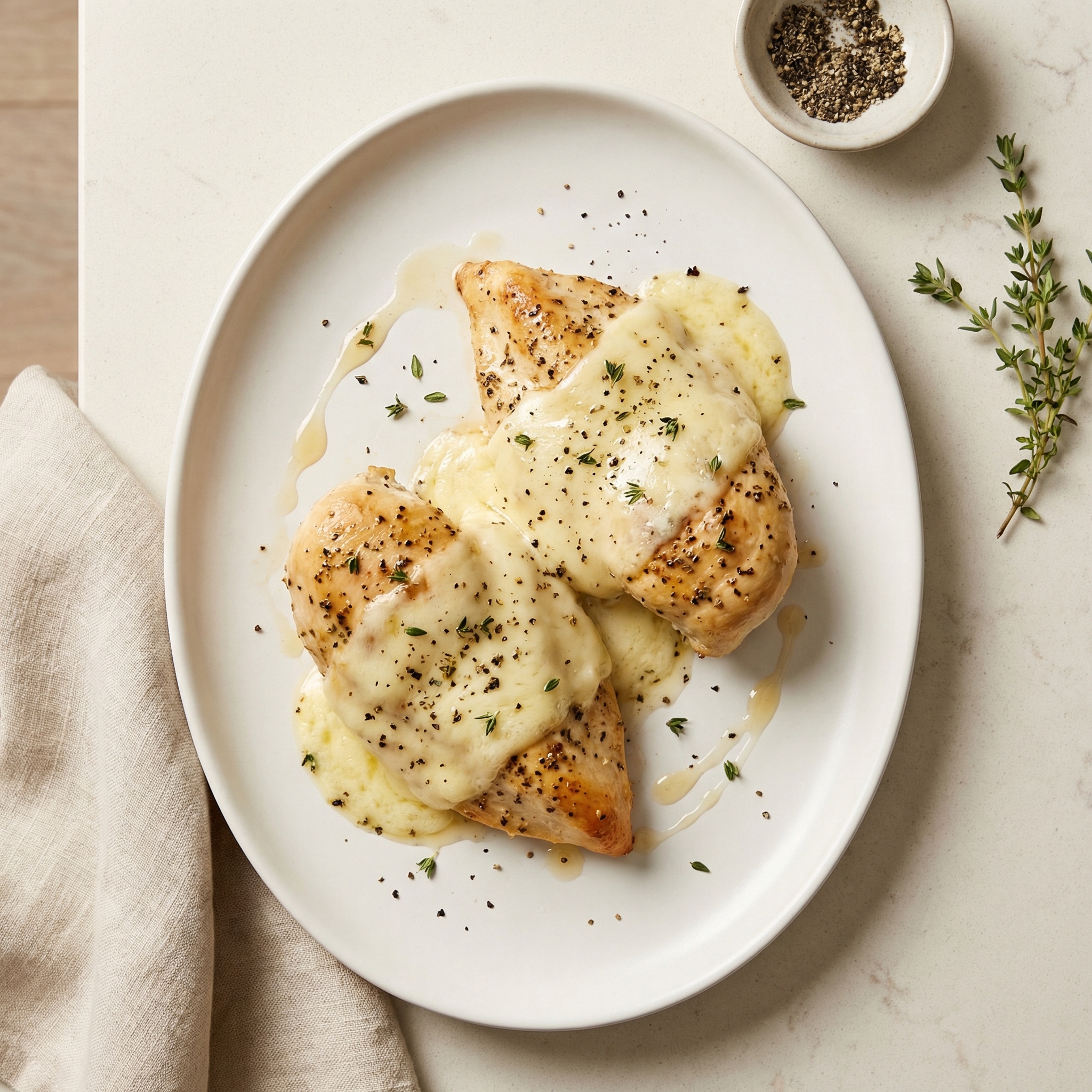 48
48 Oven-Roasted Chicken with Brie
65g protein · 481 cal · 19g fat
481 calories with 65g protein per serving
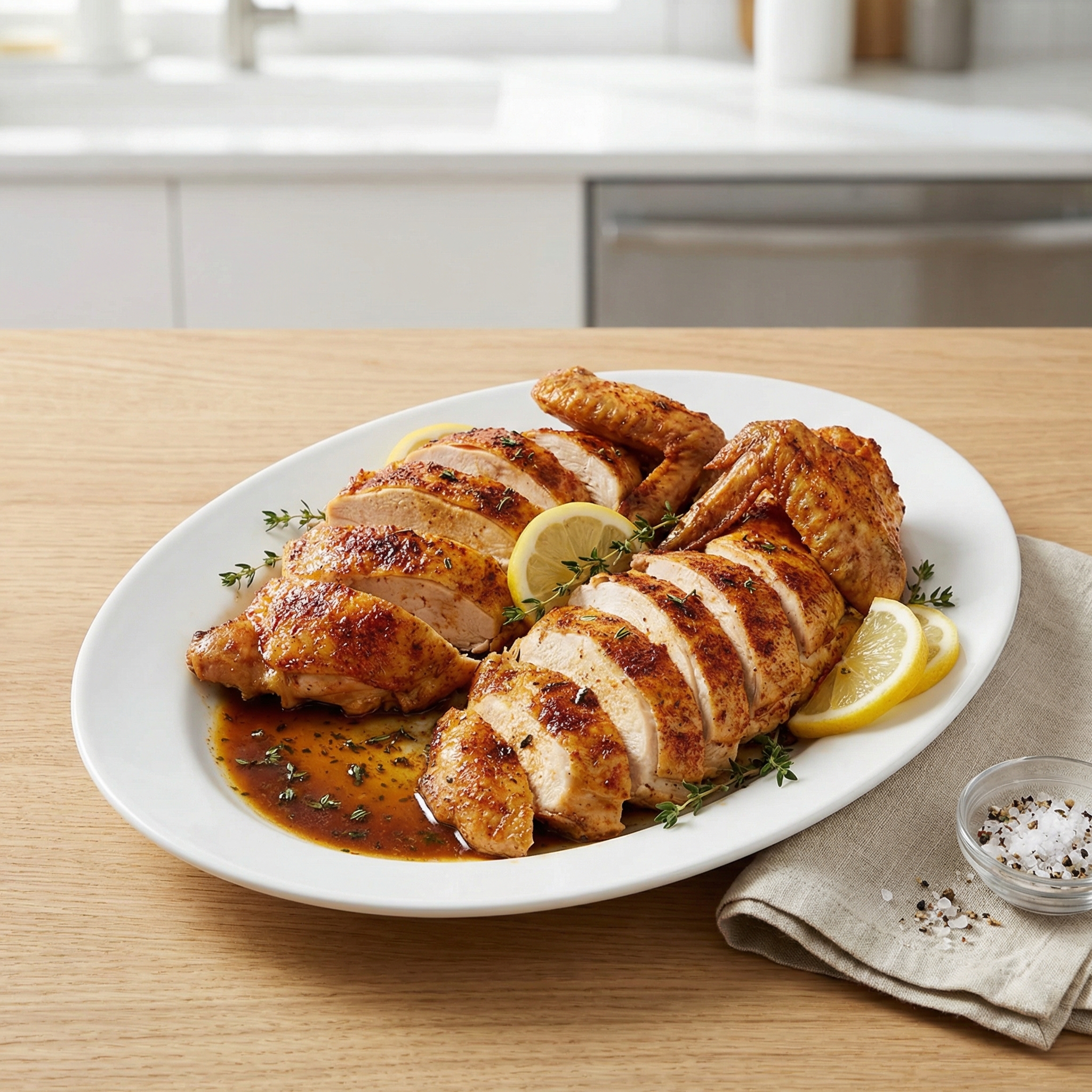 49
49 Kenny Rogers-Style Roasted Chicken
64g protein · 340 cal · 8g fat
340 calories with 64g protein per serving
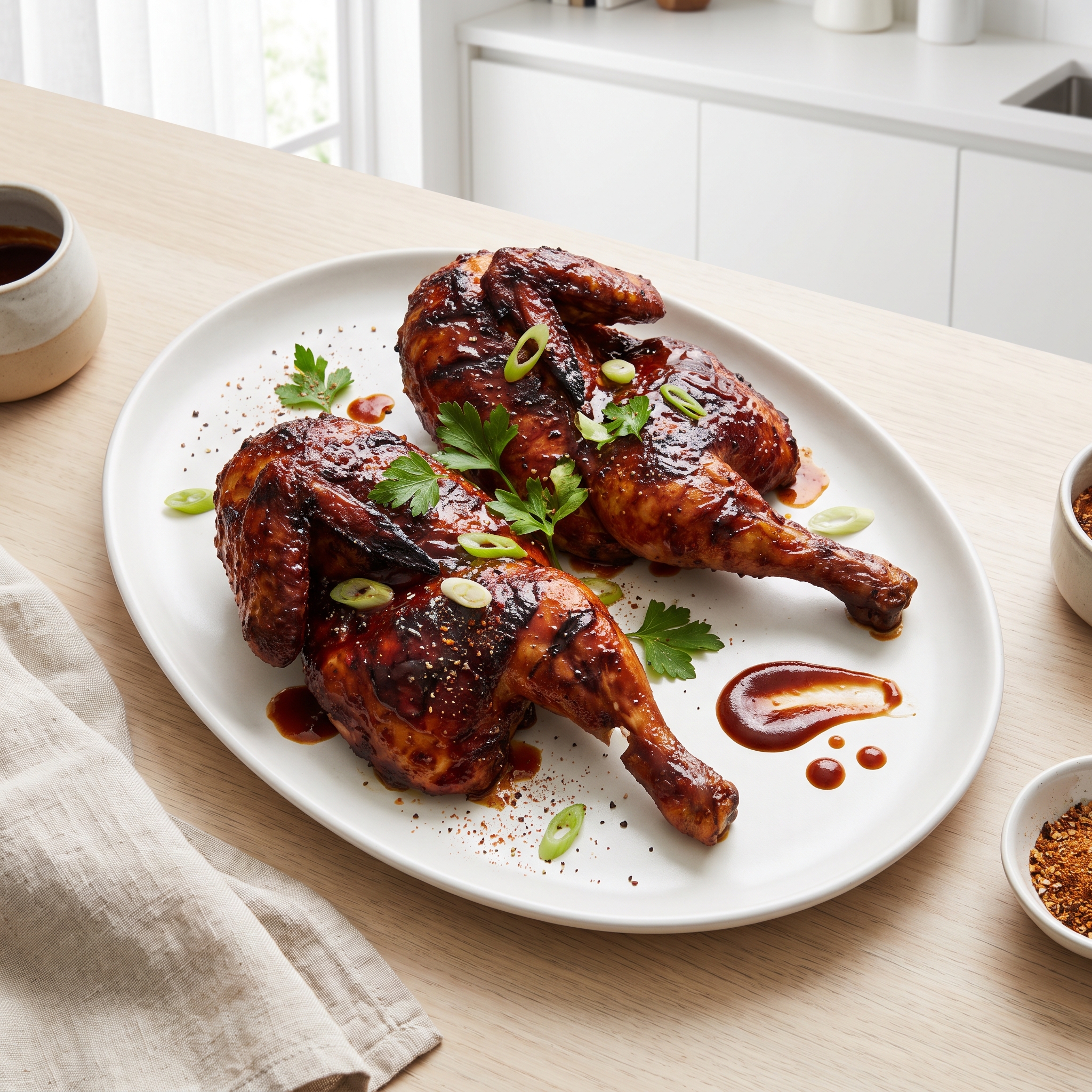 51
51 Chef John's Grilled Barbecue Chicken
64g protein · 368 cal · 8g fat
368 calories with 64g protein per serving
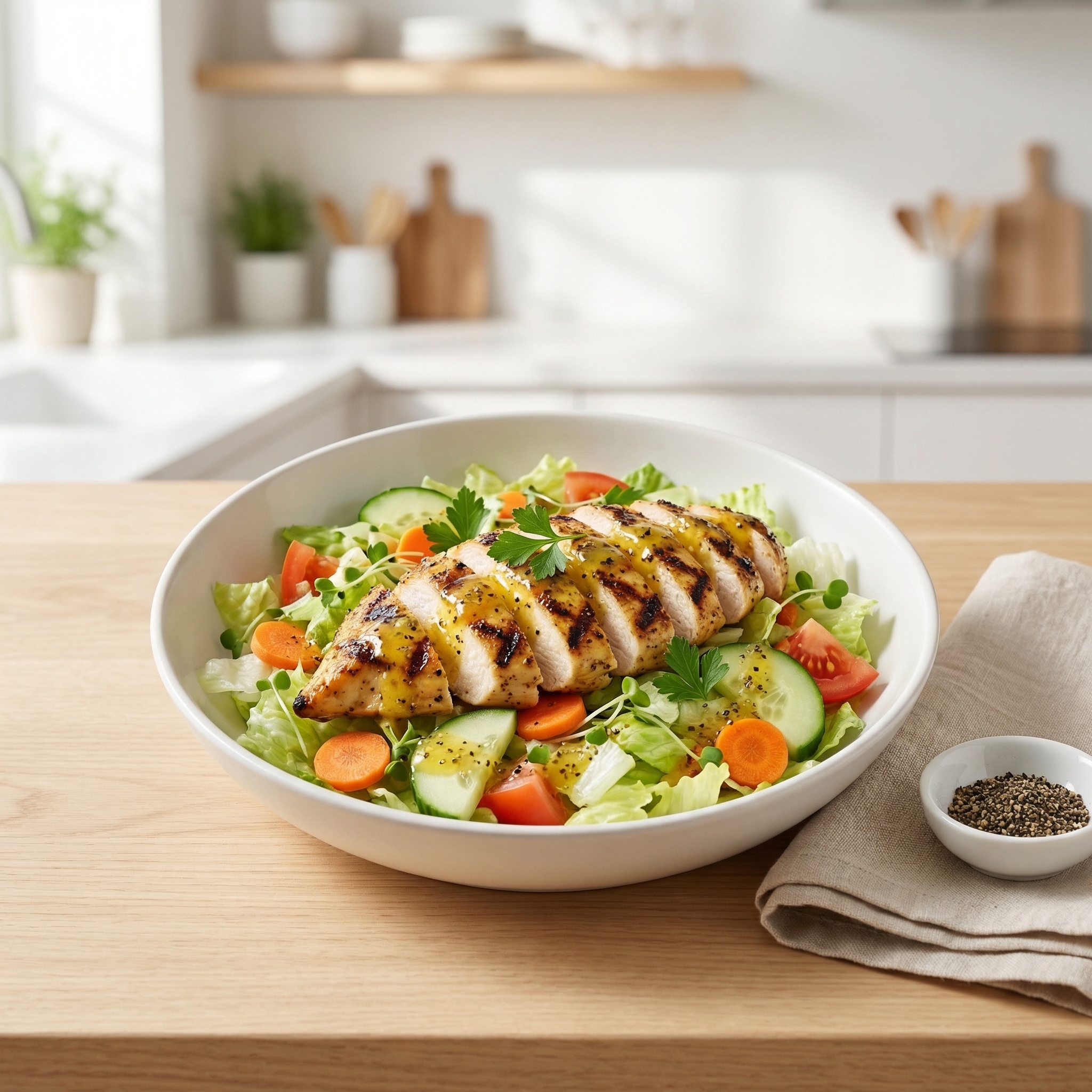 50
50 Citrus Pepper Grilled Chicken Salad
64g protein · 475 cal · 9g fat
475 calories with 64g protein per serving
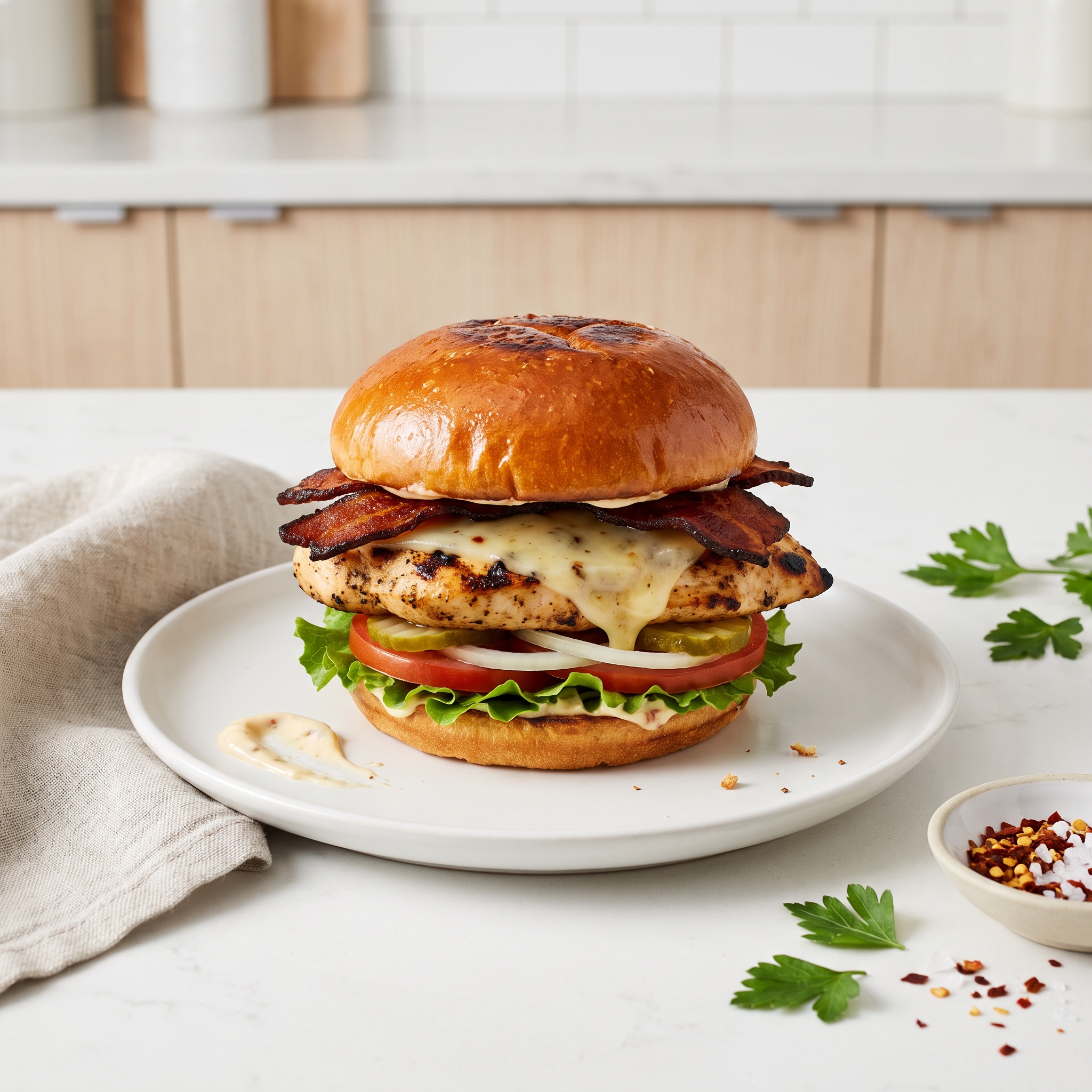 49
49 Pepper Jack Bacon Chicken Sandwiches
64g protein · 470 cal · 14g fat
470 calories with 64g protein per serving
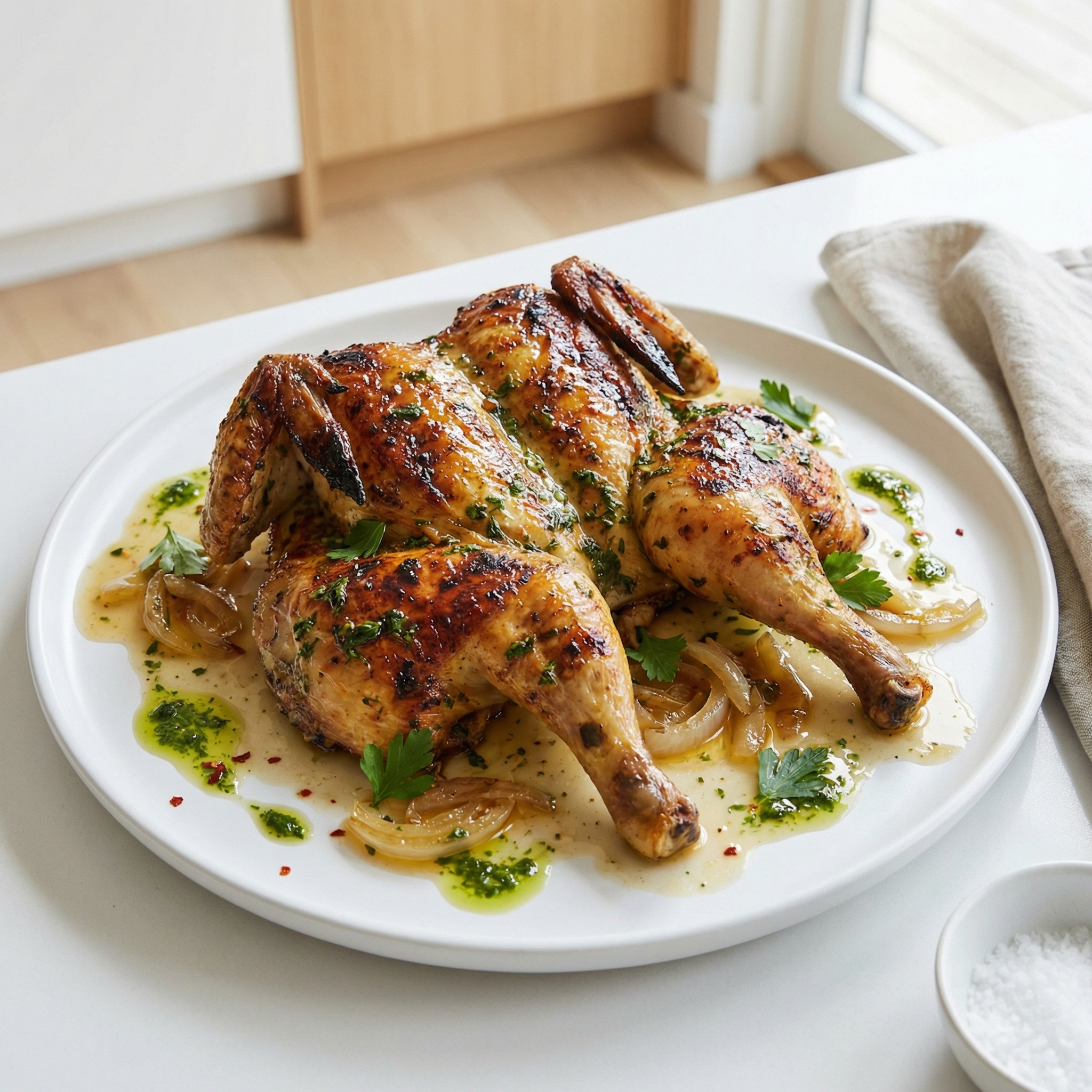 52
52 Oven-Roasted Chimichurri Chicken
64g protein · 413 cal · 13g fat
413 calories with 64g protein per serving
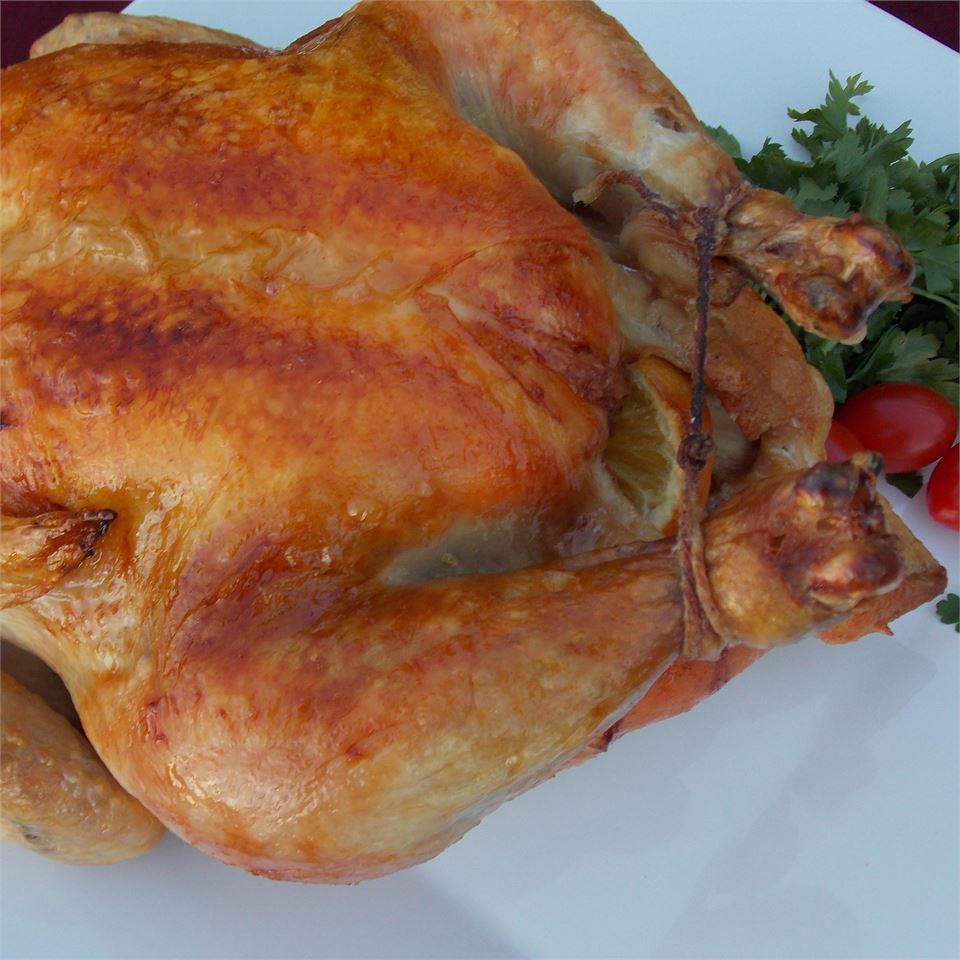 44
44 Roast Chicken with Grapefruit
64g protein · 355 cal · 9g fat
355 calories with 64g protein per serving
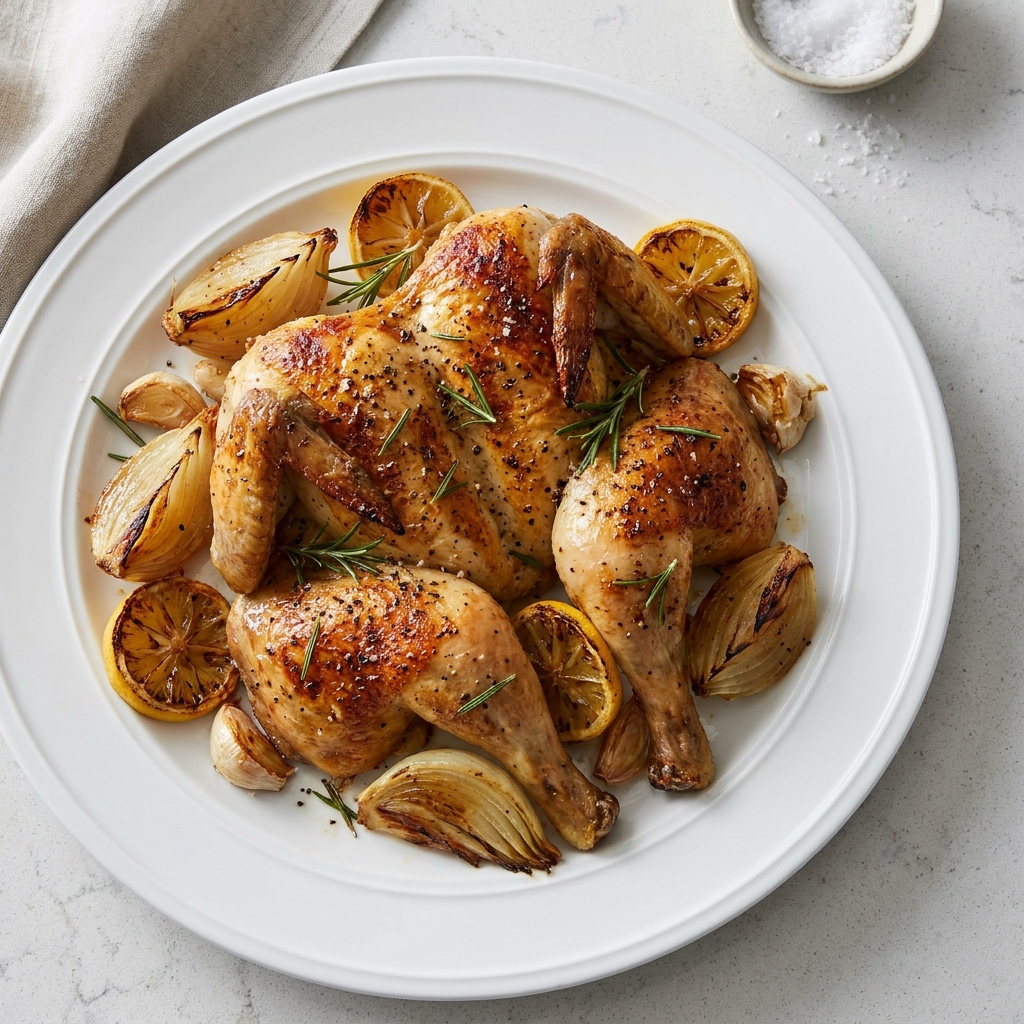 49
49 Roasted Chicken with Lemon and Rosemary
63g protein · 408 cal · 16g fat
408 calories with 63g protein per serving
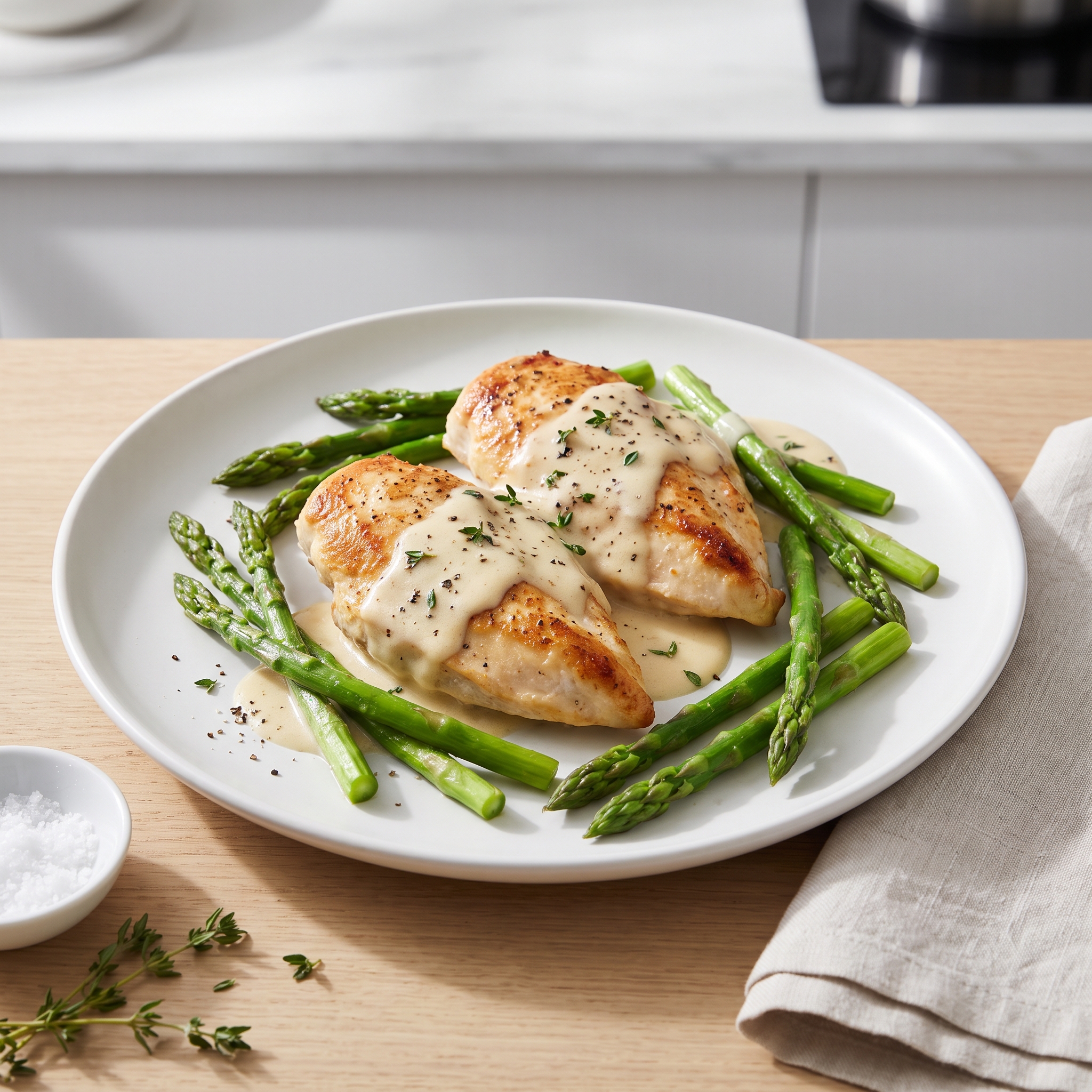 50
50 Creamy Chicken And Asparagus Bake
63g protein · 493 cal · 19g fat
493 calories with 63g protein per serving
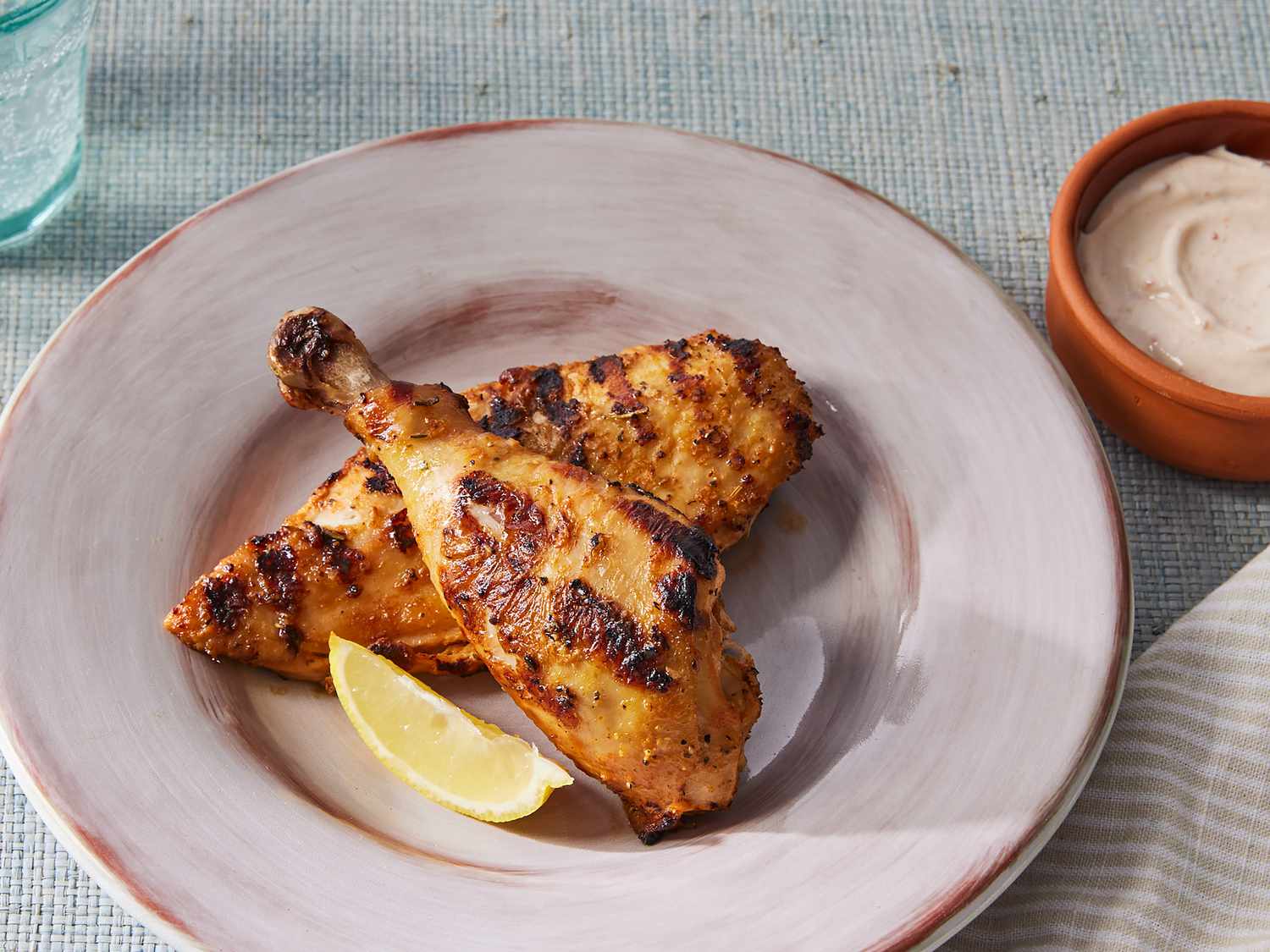 54
54 Greek Yogurt–Marinated Grilled Chicken with Lemon and Herbs
63g protein · 354 cal · 10g fat
354 calories with 63g protein per serving
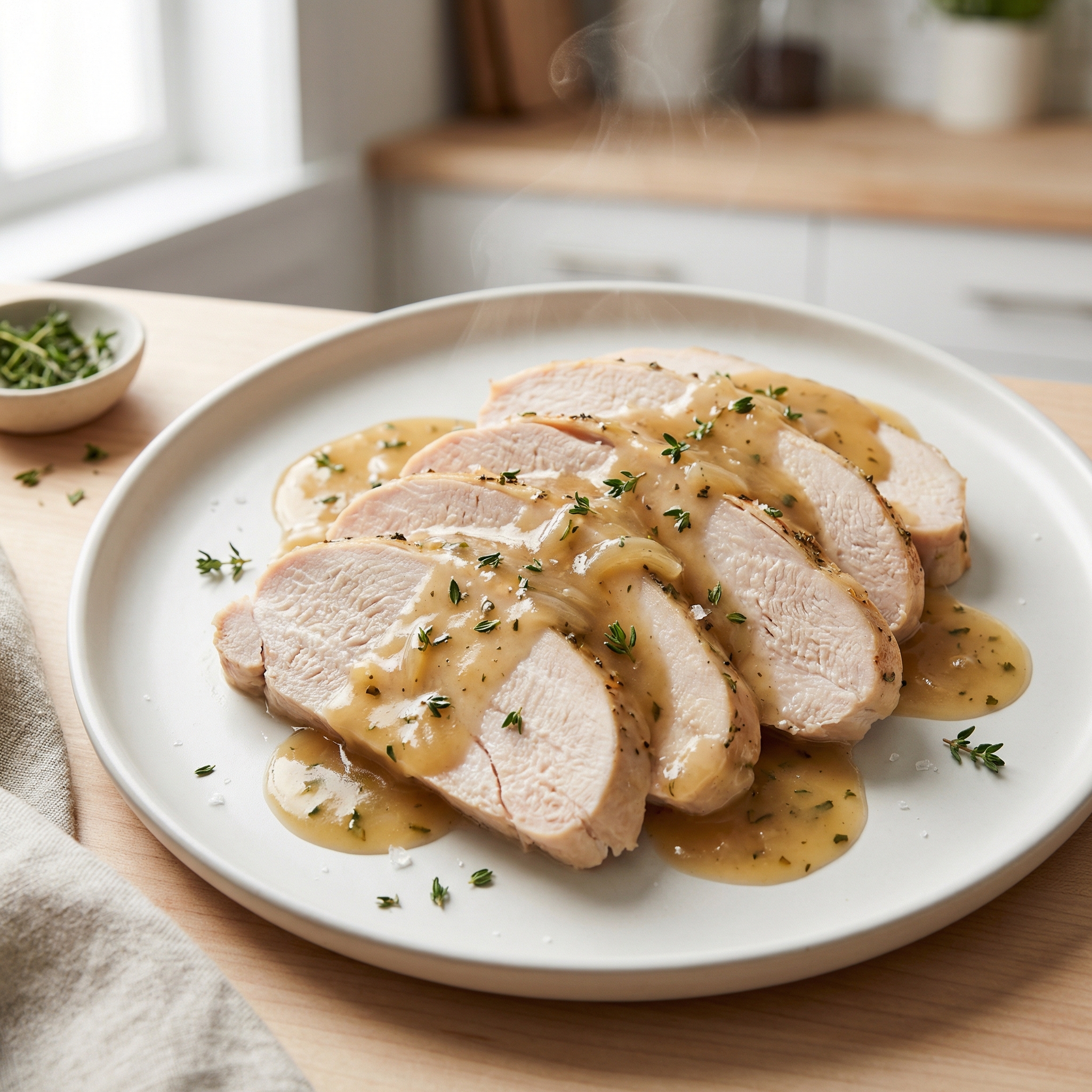 49
49 Instant Pot Turkey Breast
62g protein · 392 cal · 9g fat
392 calories with 62g protein per serving
High-protein for weight loss
Higher-protein, moderate-calorie recipes with an above-median nutrition score. Protein, calories, and fat are per serving.
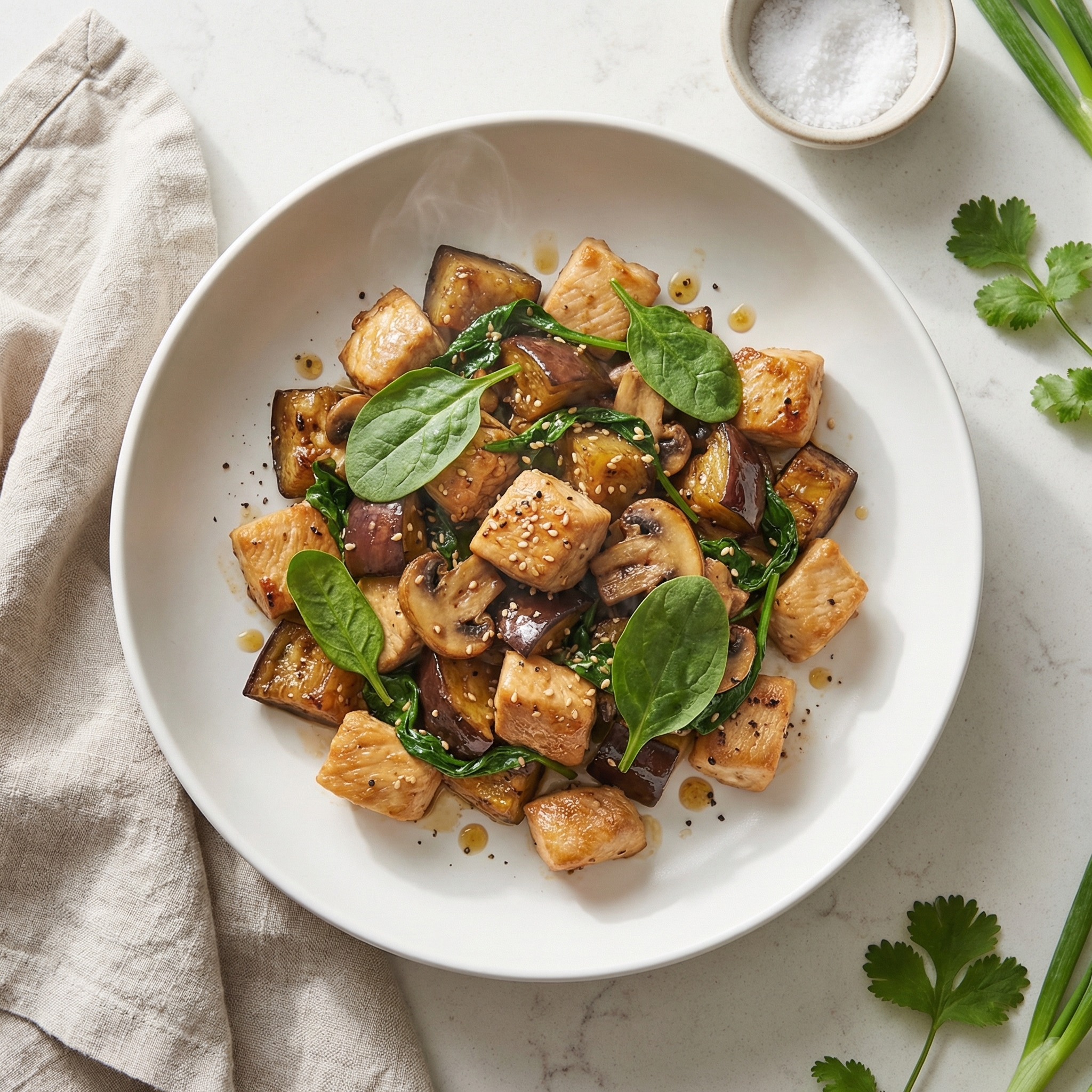 69
69 Stir-Fried Chicken with Eggplant and Spinach
61g protein · 429 cal · 6g fat
Health score 69 with 61g protein per serving
 66
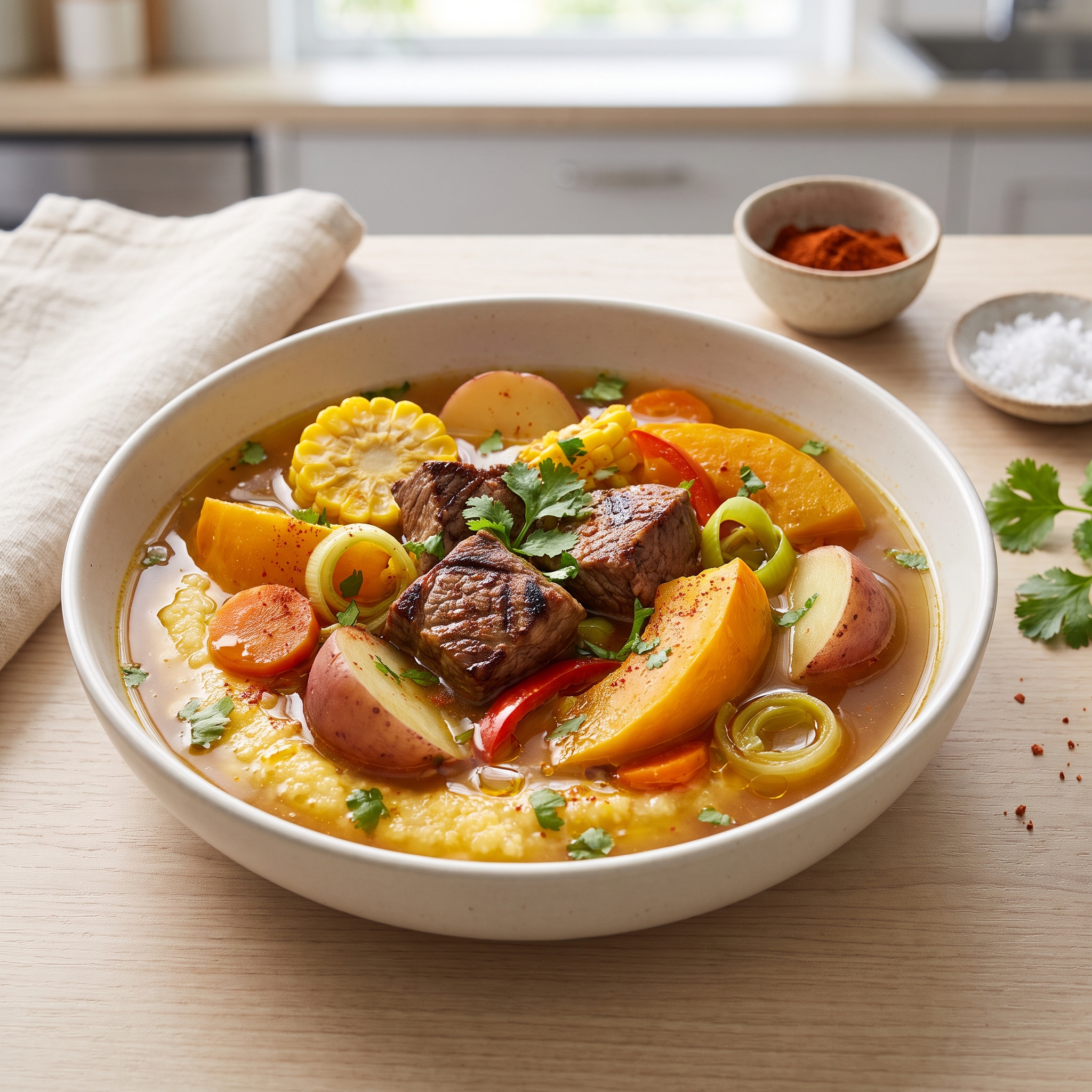
66 Chilean Beef and Pumpkin Cazuela Stew
36g protein · 504 cal · 6g fat
Health score 66 with 36g protein per serving
 63
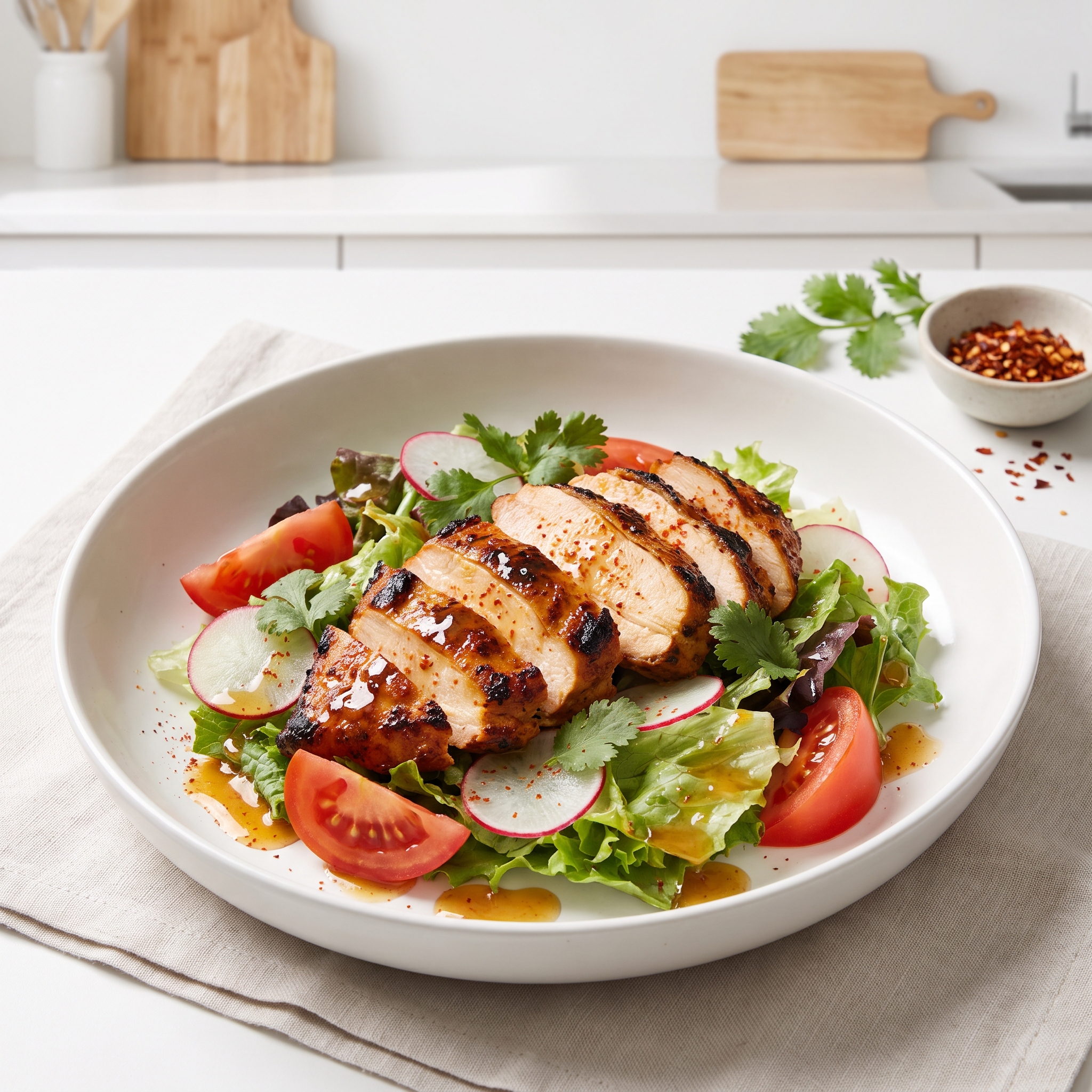
63 Tandoori-Grilled Chicken Salad with Lemon-Balsamic Dressing
58g protein · 525 cal · 19g fat
Health score 63 with 58g protein per serving
 63
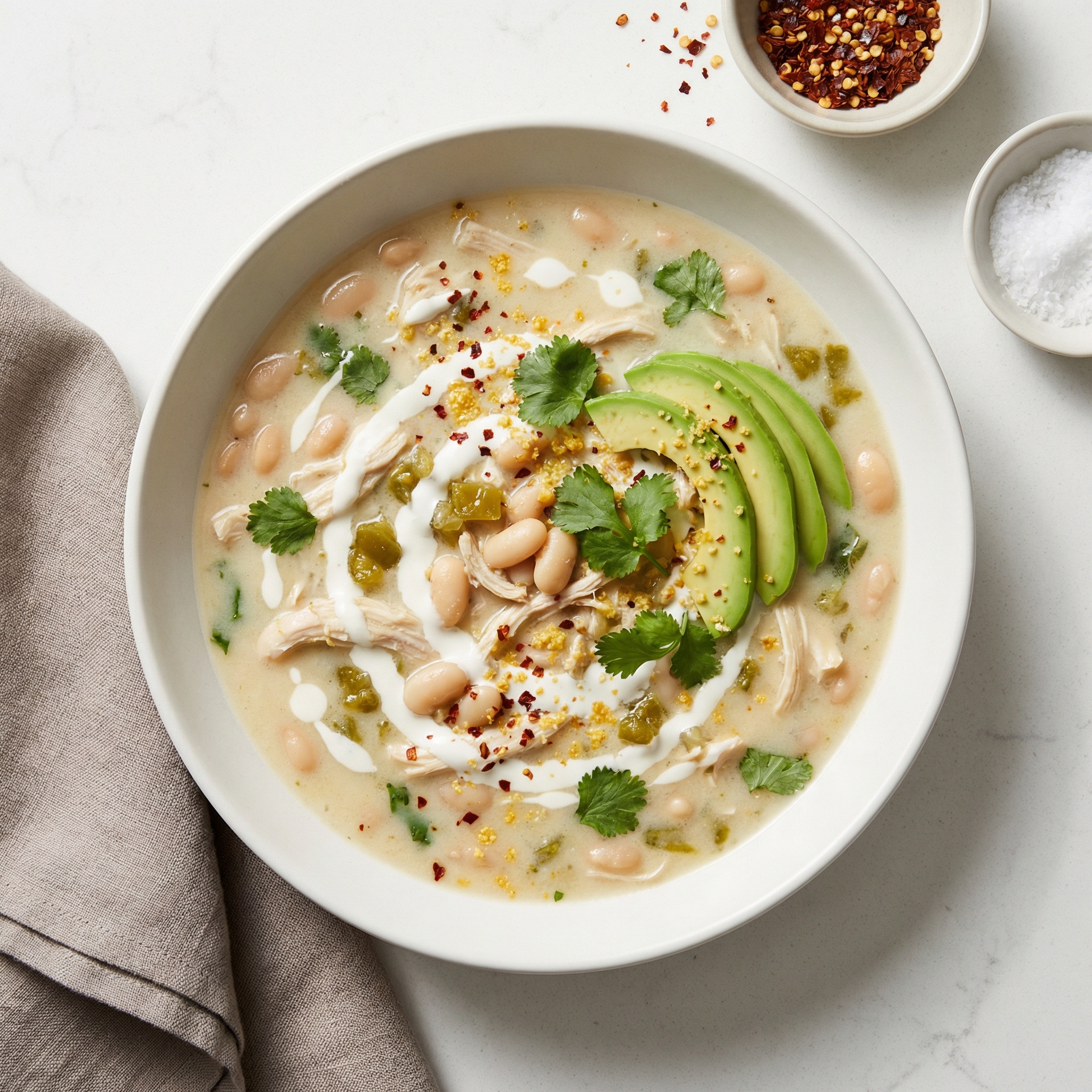
63 White Chicken Chili, Version 5
37g protein · 529 cal · 3g fat
Health score 63 with 37g protein per serving
 63
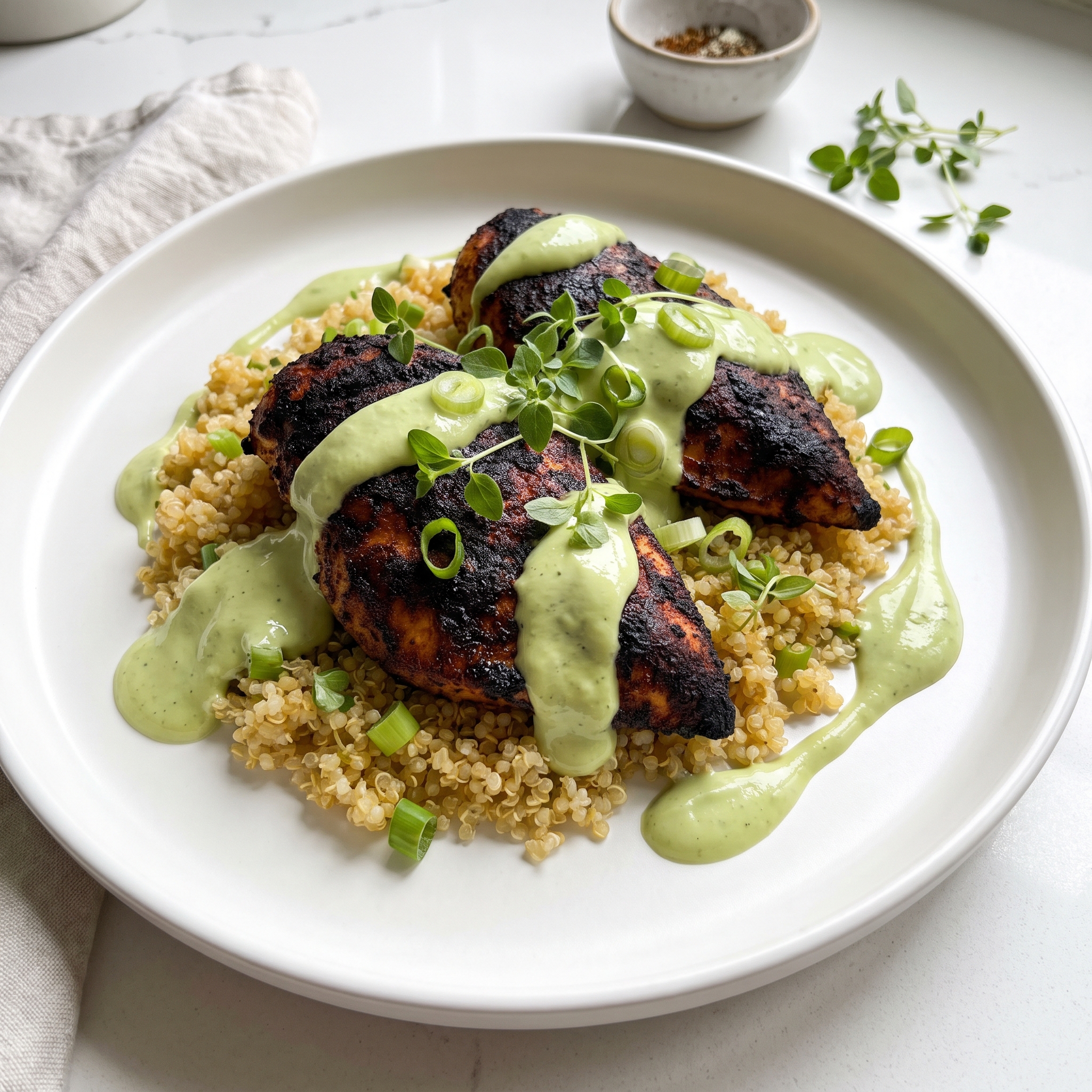
63 Spiced Blackened Chicken with Creamy Avocado Sauce
63g protein · 508 cal · 11g fat
Health score 63 with 63g protein per serving
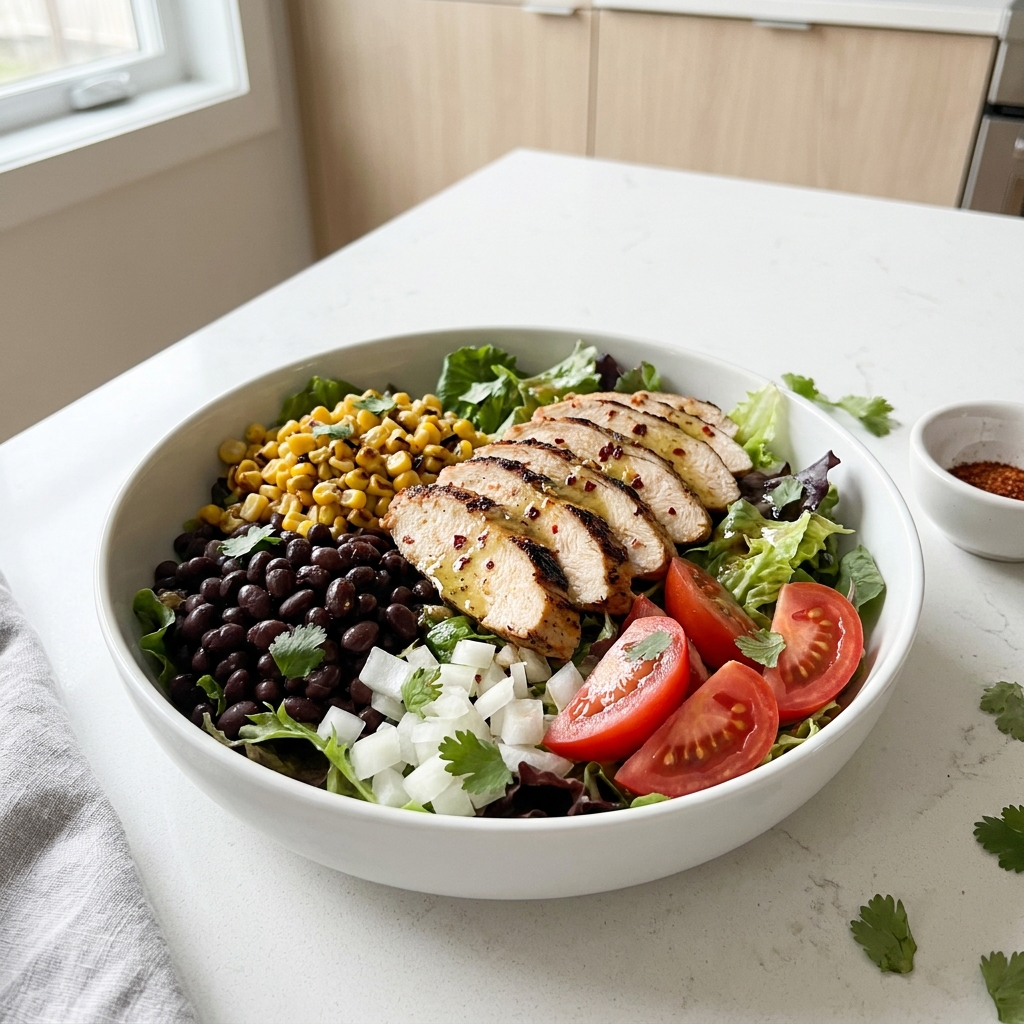 61
61 Chicken Fiesta Salad
37g protein · 423 cal · 7g fat
Health score 61 with 37g protein per serving
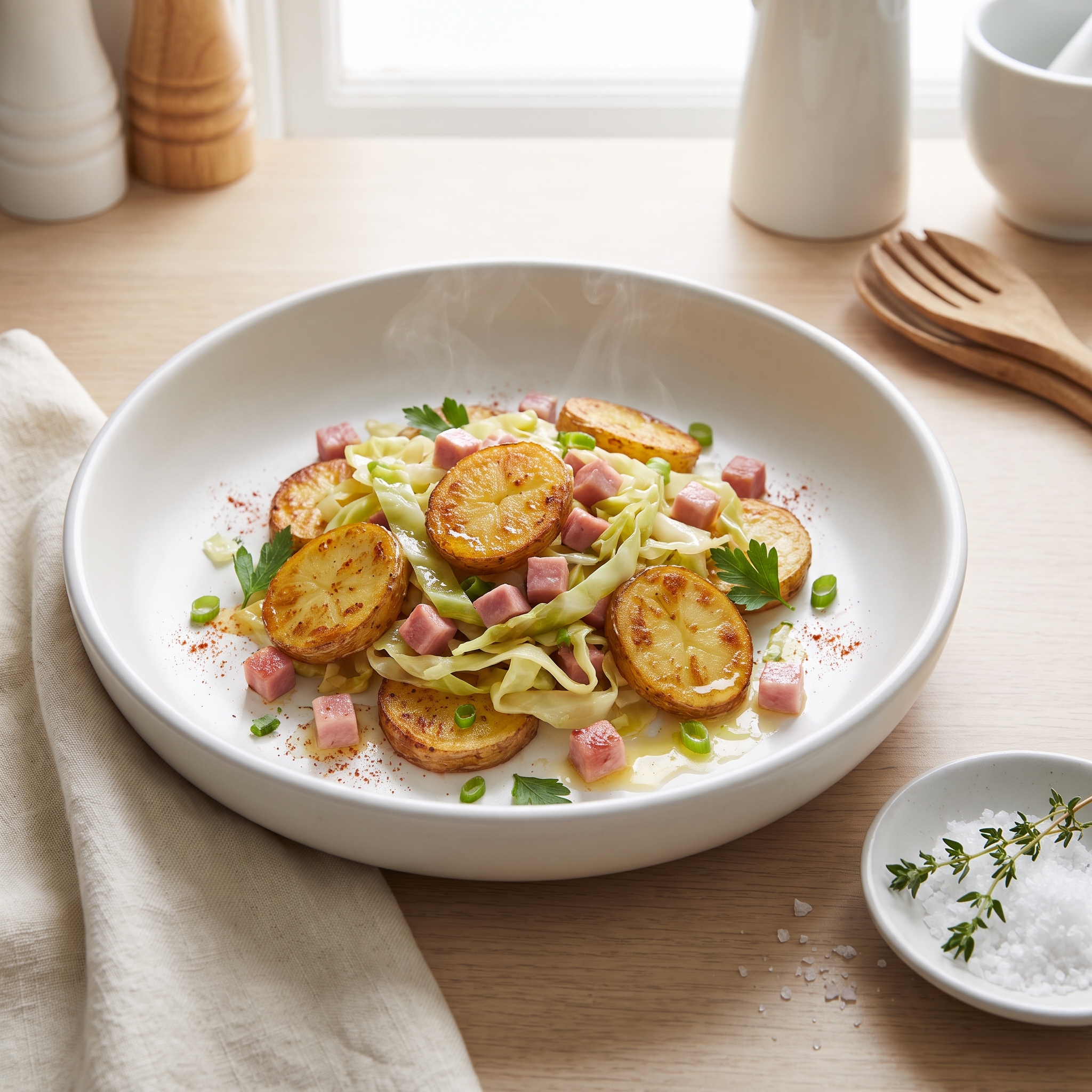 61
61 One-Pan Ham with Cabbage and Potatoes
31g protein · 390 cal · 16g fat
Health score 61 with 31g protein per serving
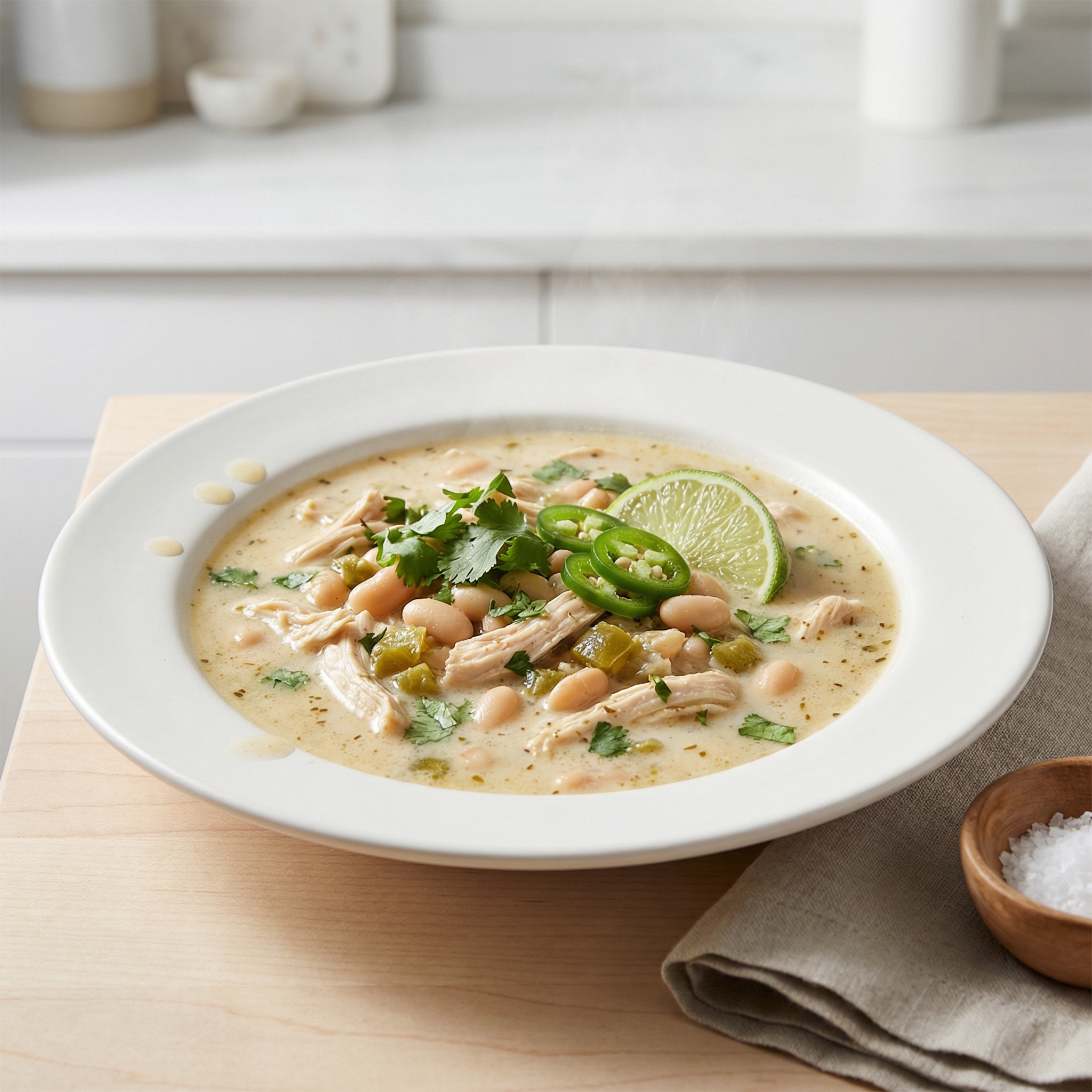 61
61 Michelle's Blonde Chicken Chili
44g protein · 417 cal · 6g fat
Health score 61 with 44g protein per serving
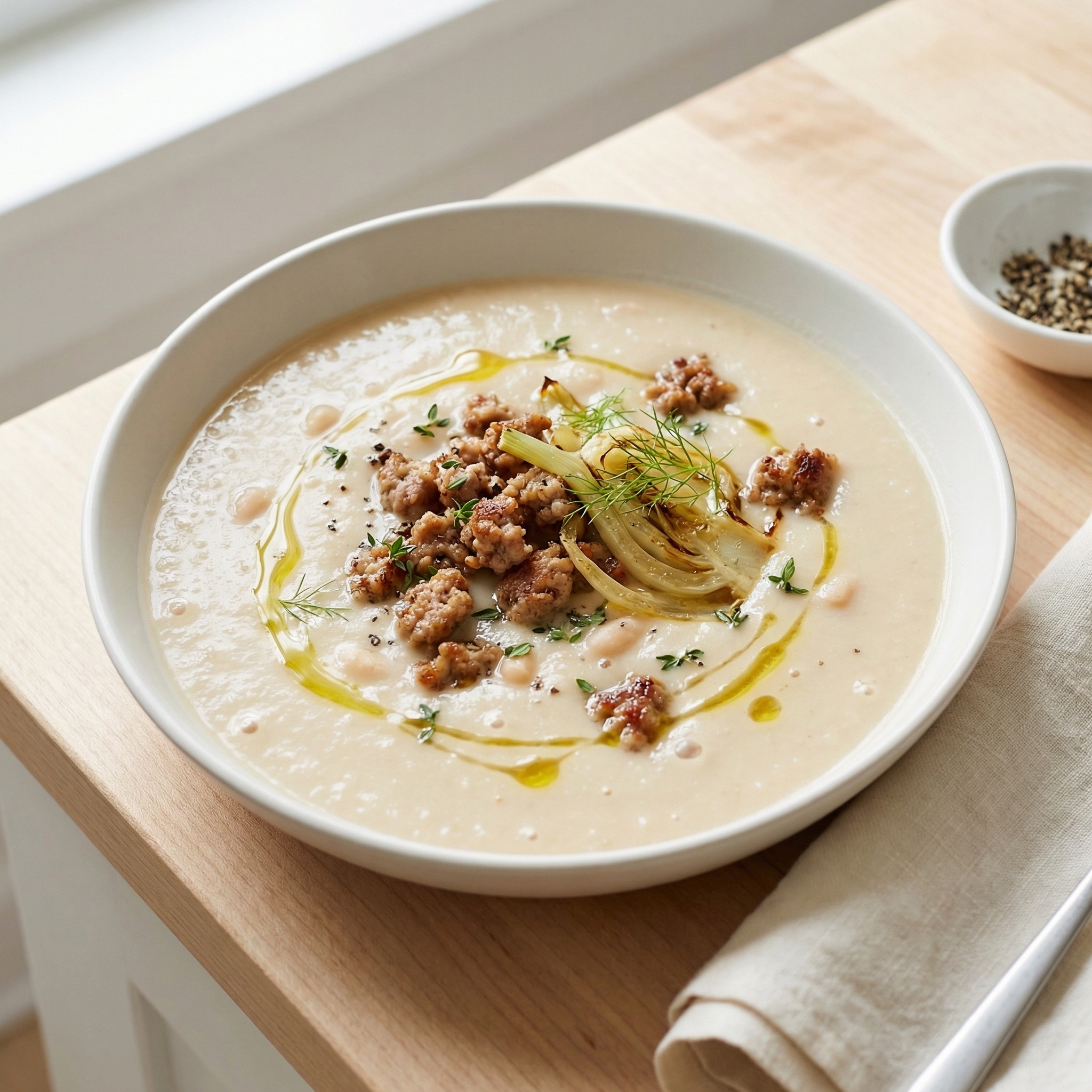 61
61 Silky Cannellini Bean Soup
32g protein · 481 cal · 16g fat
Health score 61 with 32g protein per serving
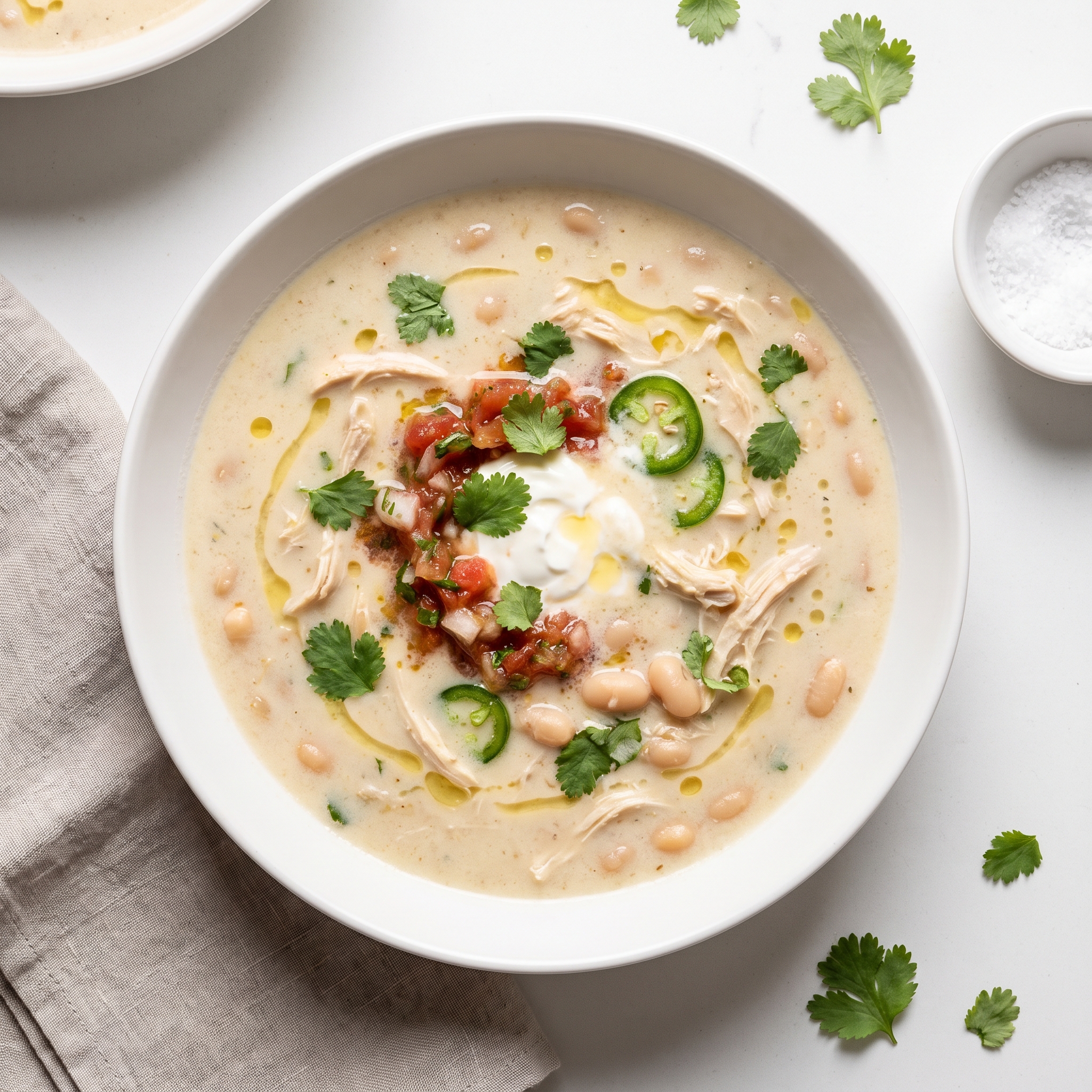 60
60 Quick White Chicken Chili II
52g protein · 376 cal · 5g fat
Health score 60 with 52g protein per serving
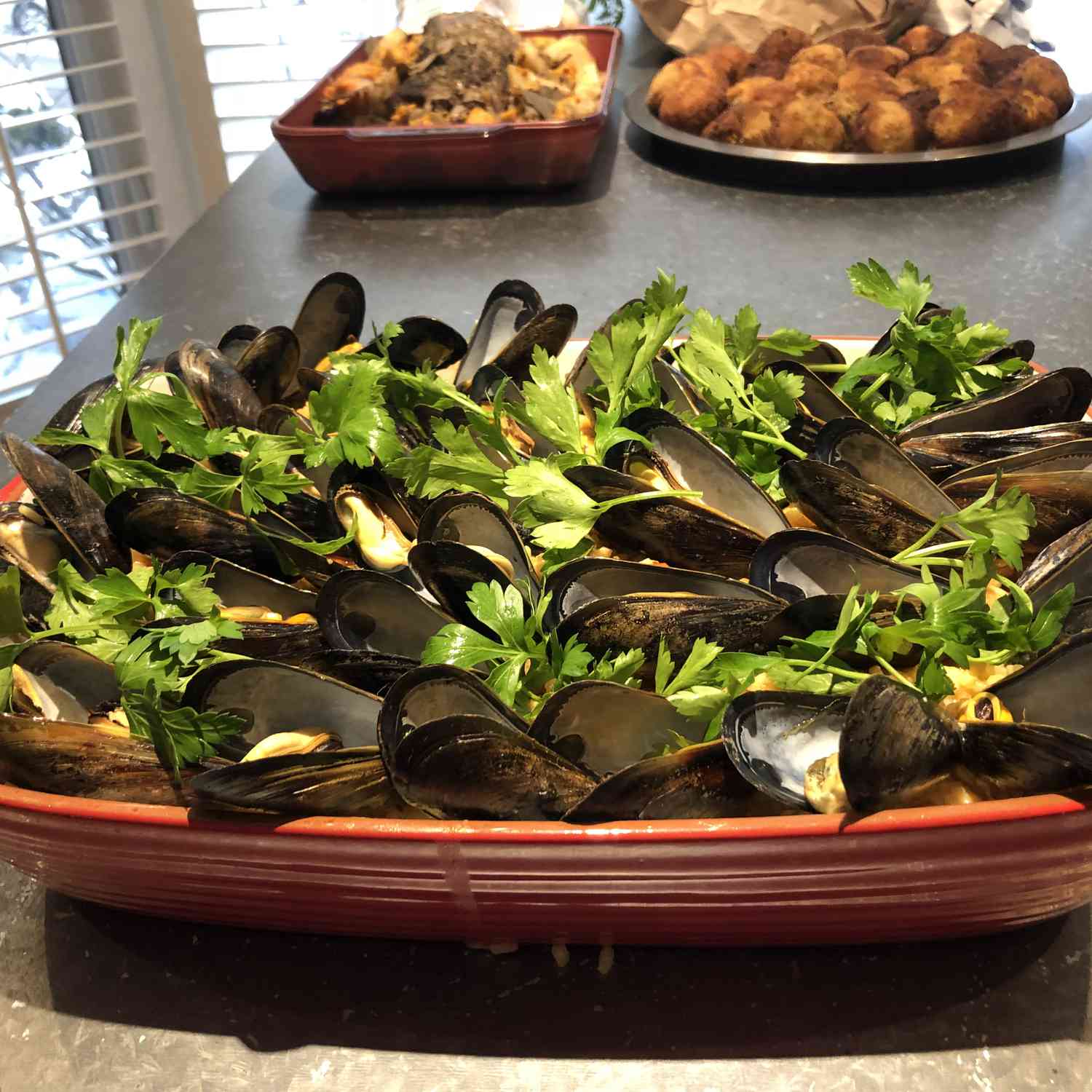 60
60 Spanish-Style Seafood Paella with Chicken
33g protein · 437 cal · 4g fat
Health score 60 with 33g protein per serving
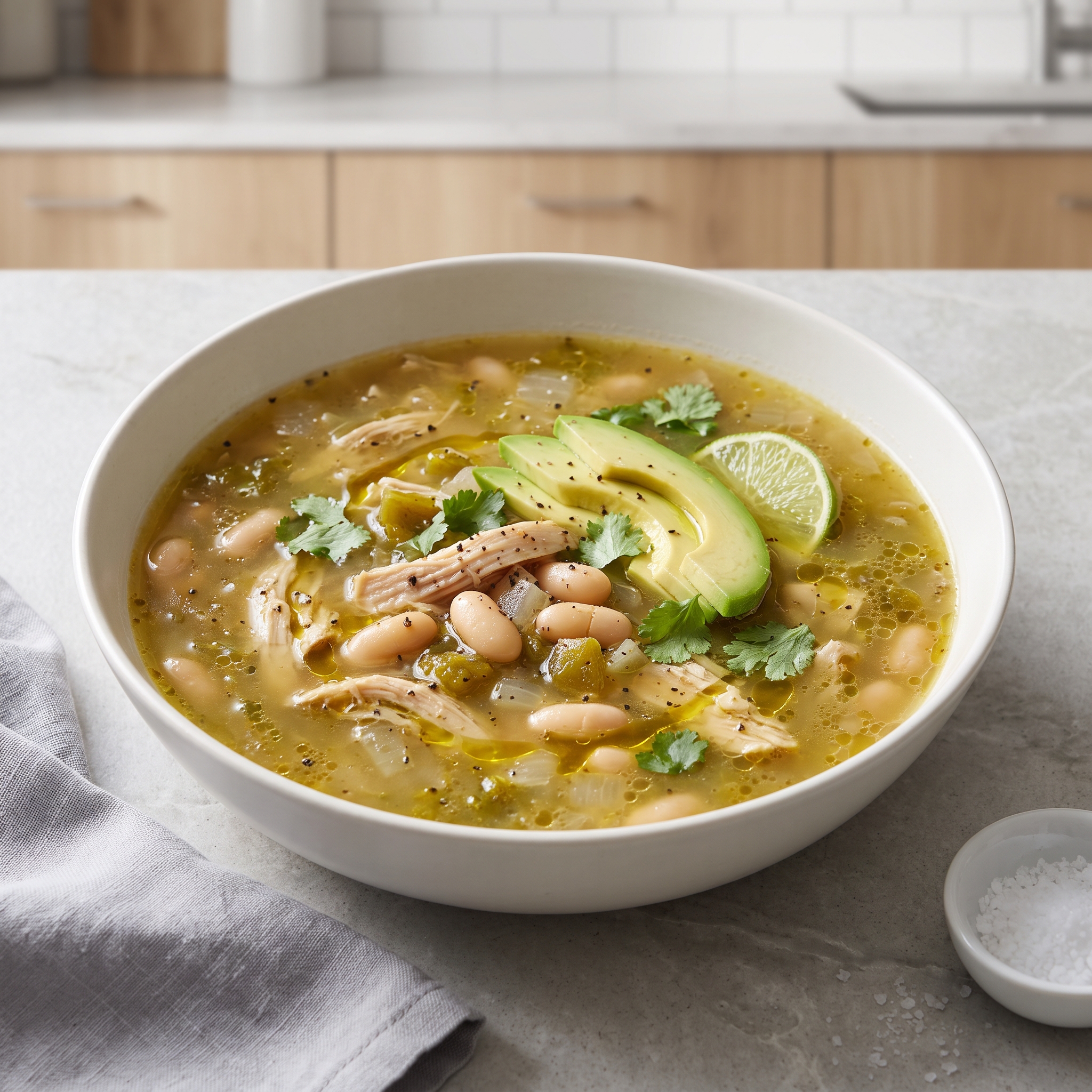 59
59 Simple Chicken and White Bean Soup
46g protein · 377 cal · 7g fat
Health score 59 with 46g protein per serving
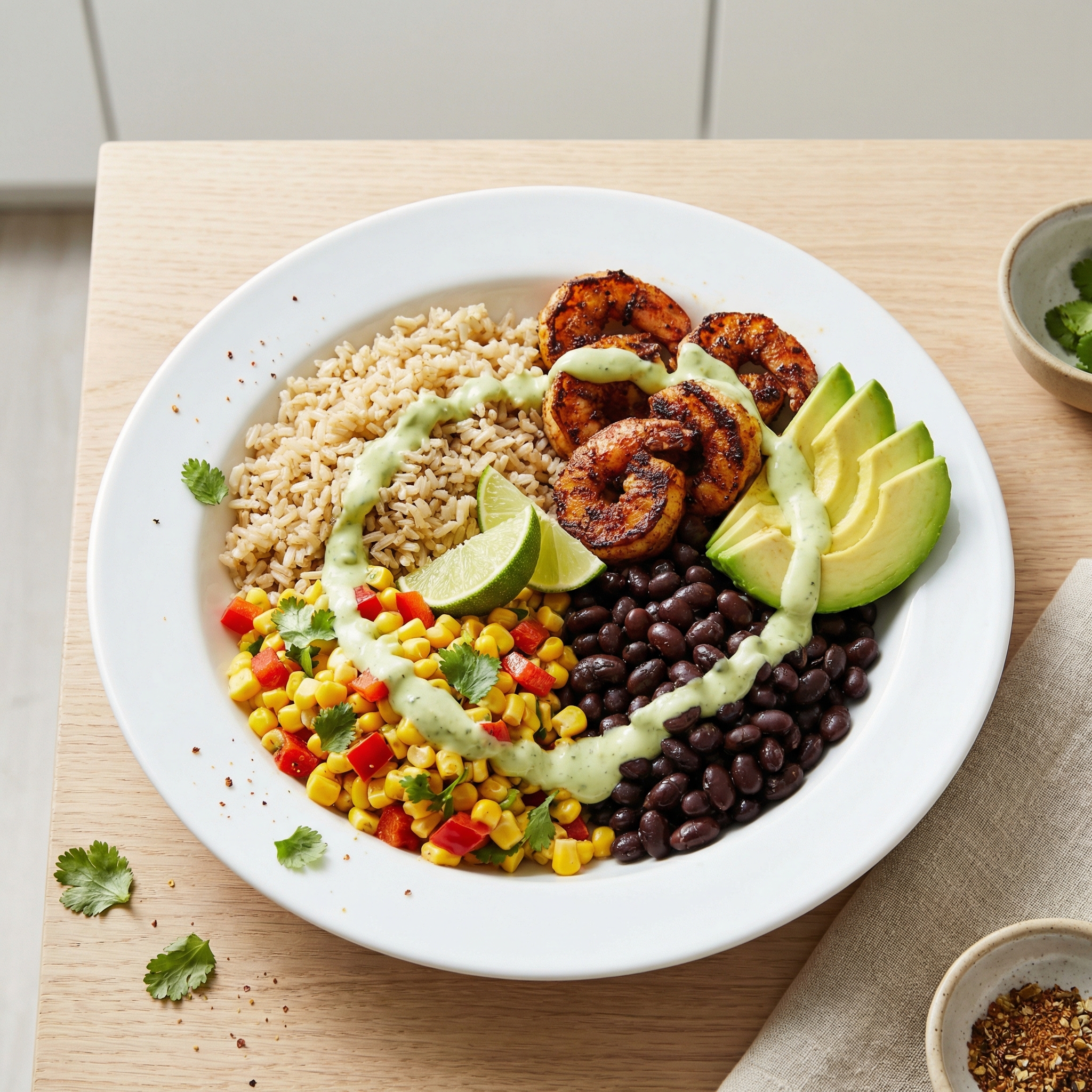 59
59 Blackened Shrimp Grain Bowl with Avocado and Black Beans
31g protein · 492 cal · 17g fat
Health score 59 with 31g protein per serving
 59
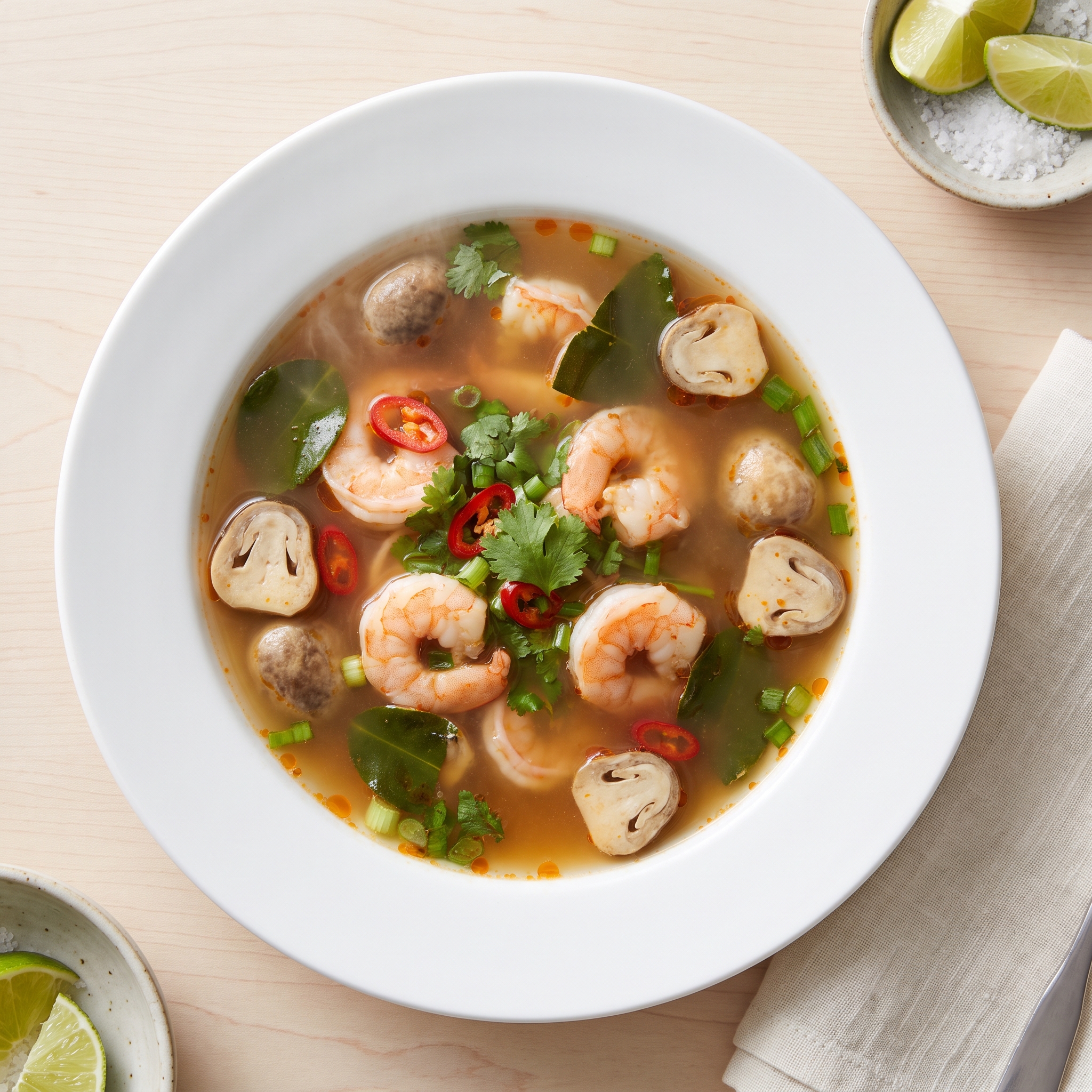
59 Tom Yum Thai Hot-and-Sour Shrimp Soup
46g protein · 409 cal · 4g fat
Health score 59 with 46g protein per serving
 58
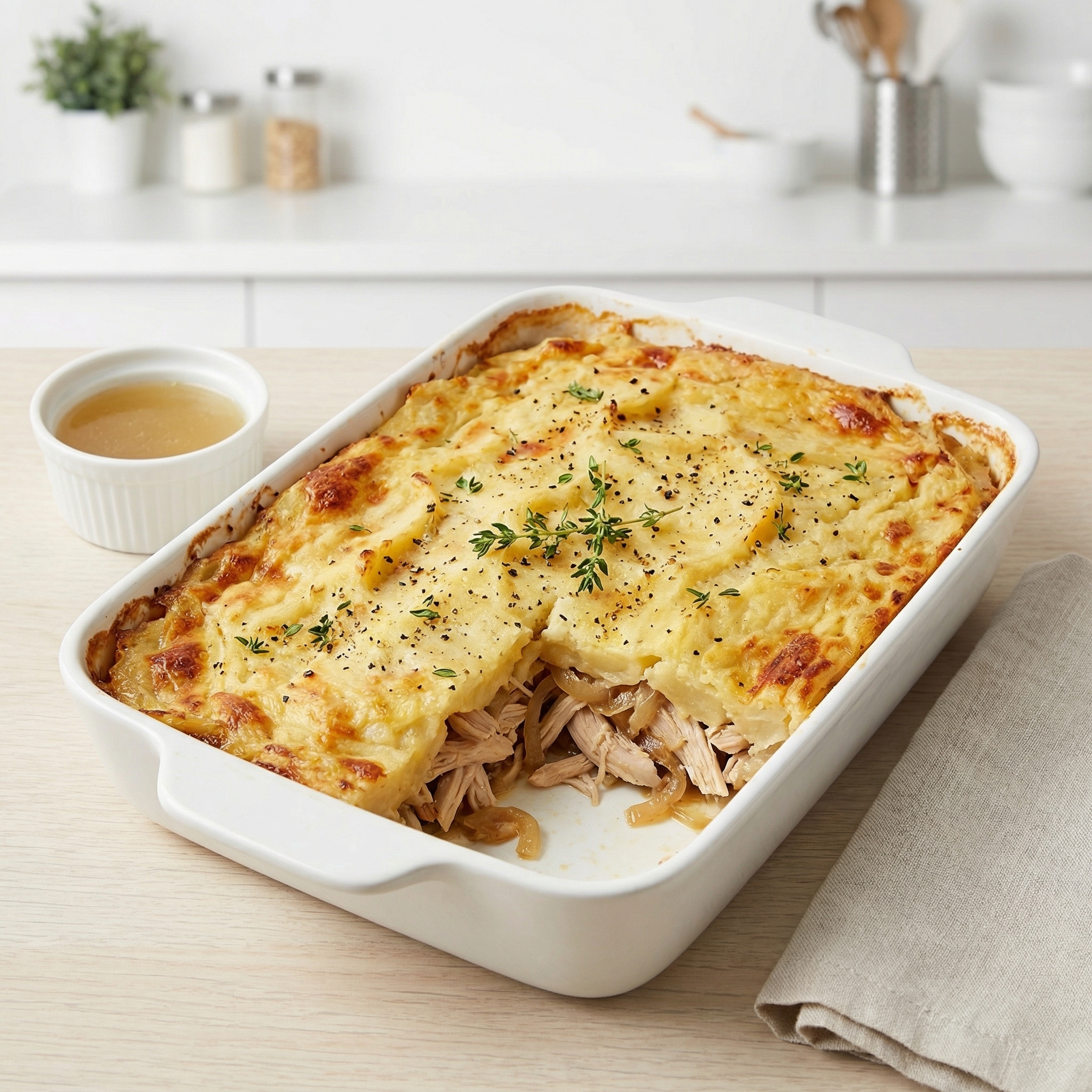
58 Rappie Pie
60g protein · 530 cal · 5g fat
Health score 58 with 60g protein per serving
 58
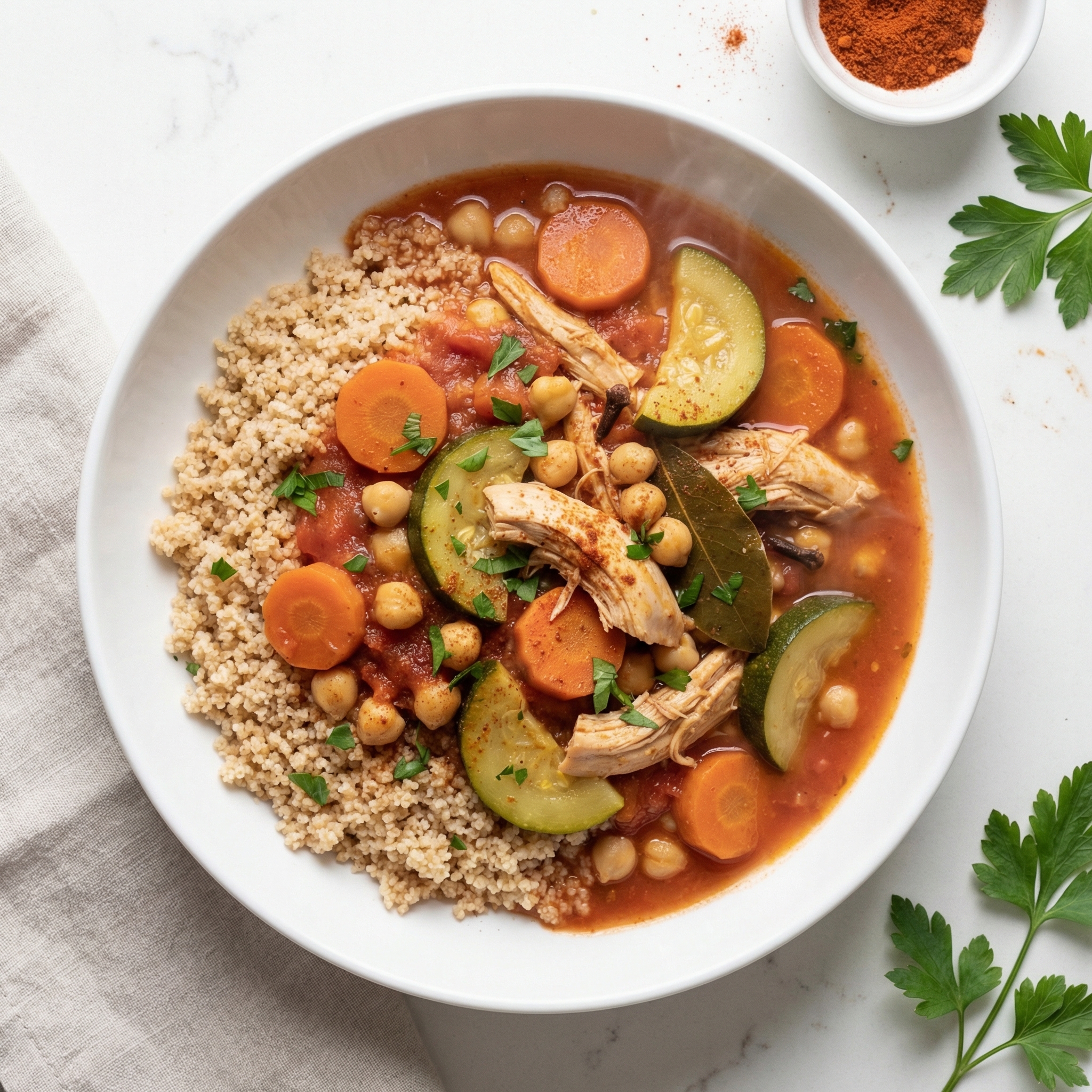
58 Spiced Moroccan Chicken with Whole-Wheat Couscous
62g protein · 478 cal · 7g fat
Health score 58 with 62g protein per serving
 58
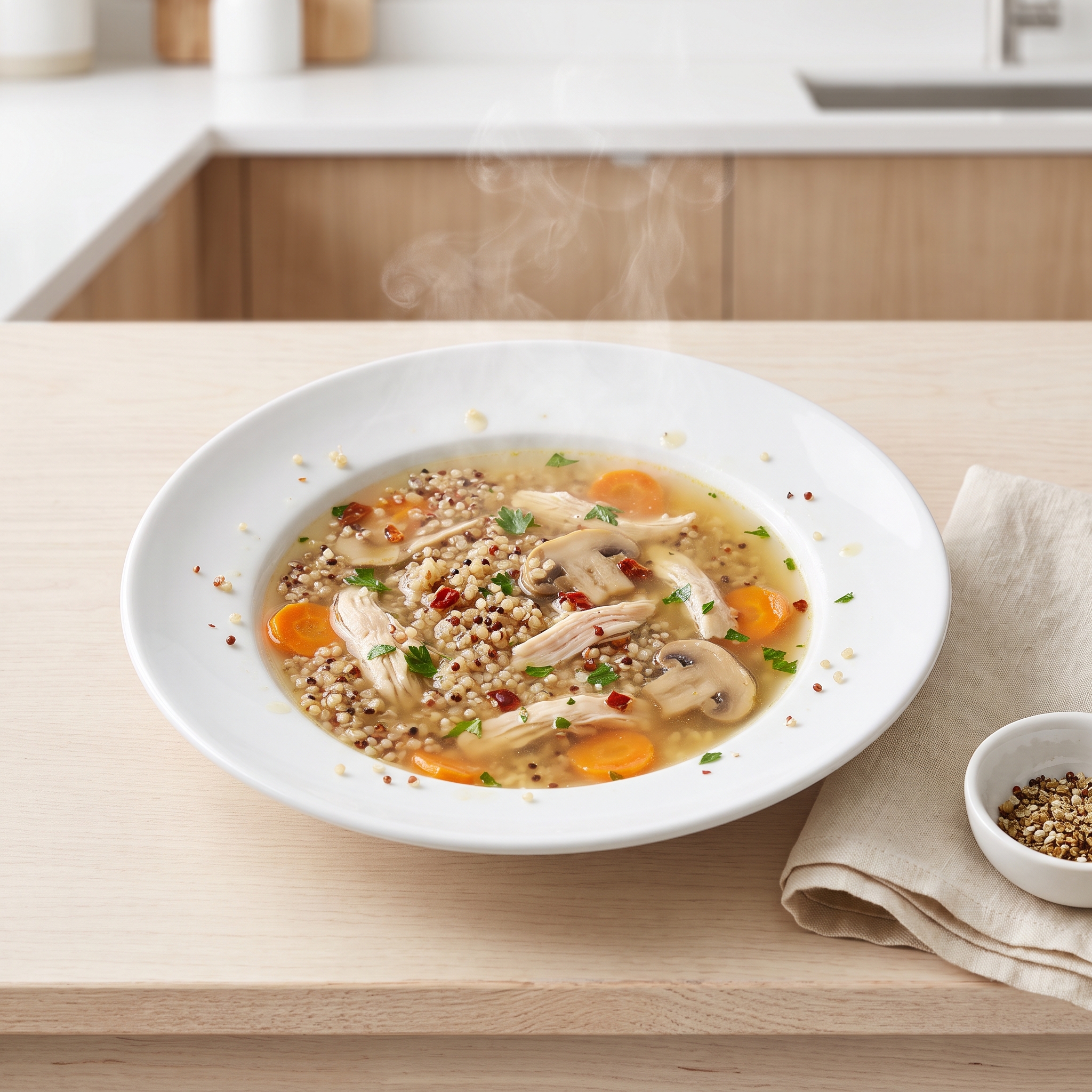
58 Pressure Cooker Chicken & Quinoa Soup
36g protein · 533 cal · 8g fat
Health score 58 with 36g protein per serving
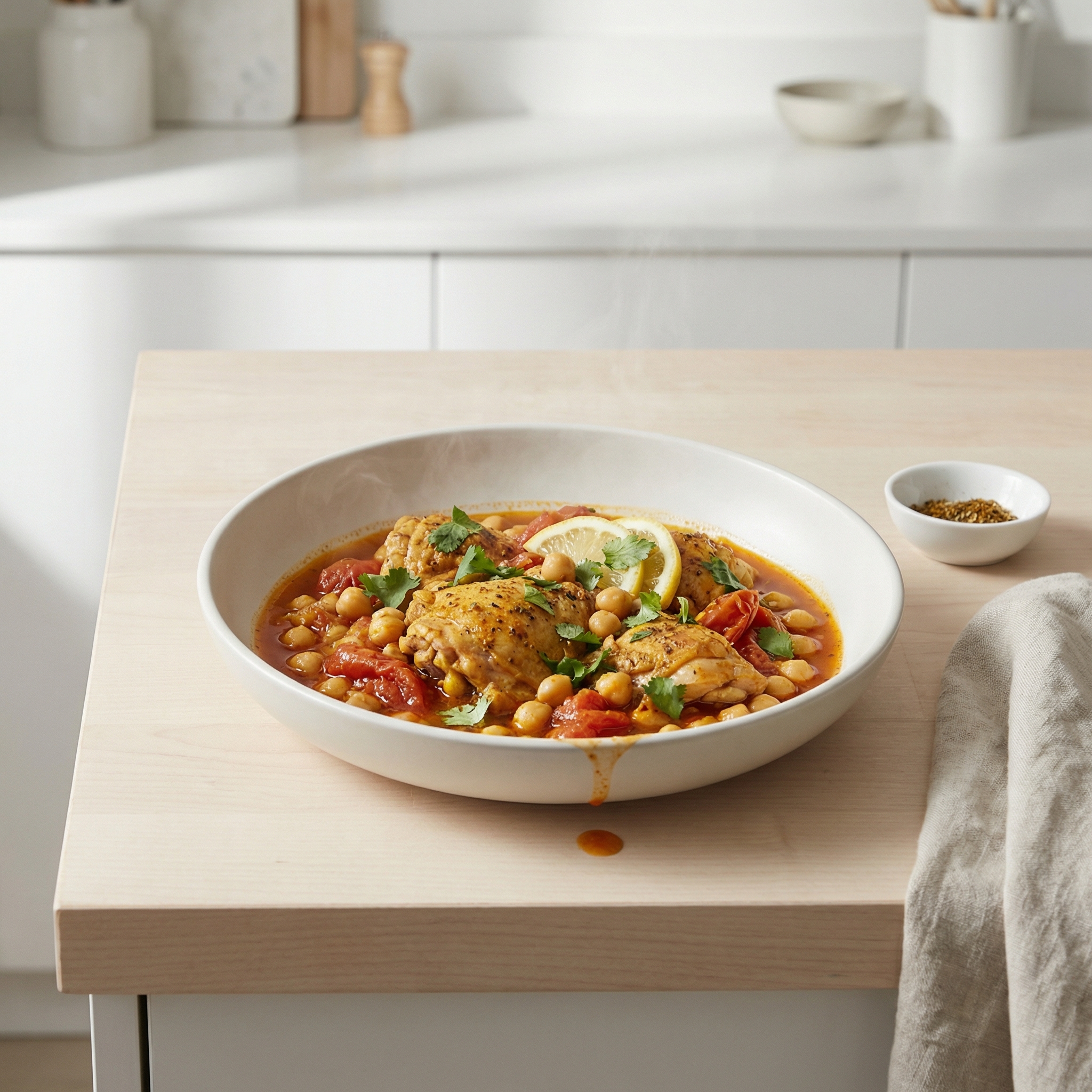 58
58 Moroccan Chicken
38g protein · 381 cal · 8g fat
Health score 58 with 38g protein per serving
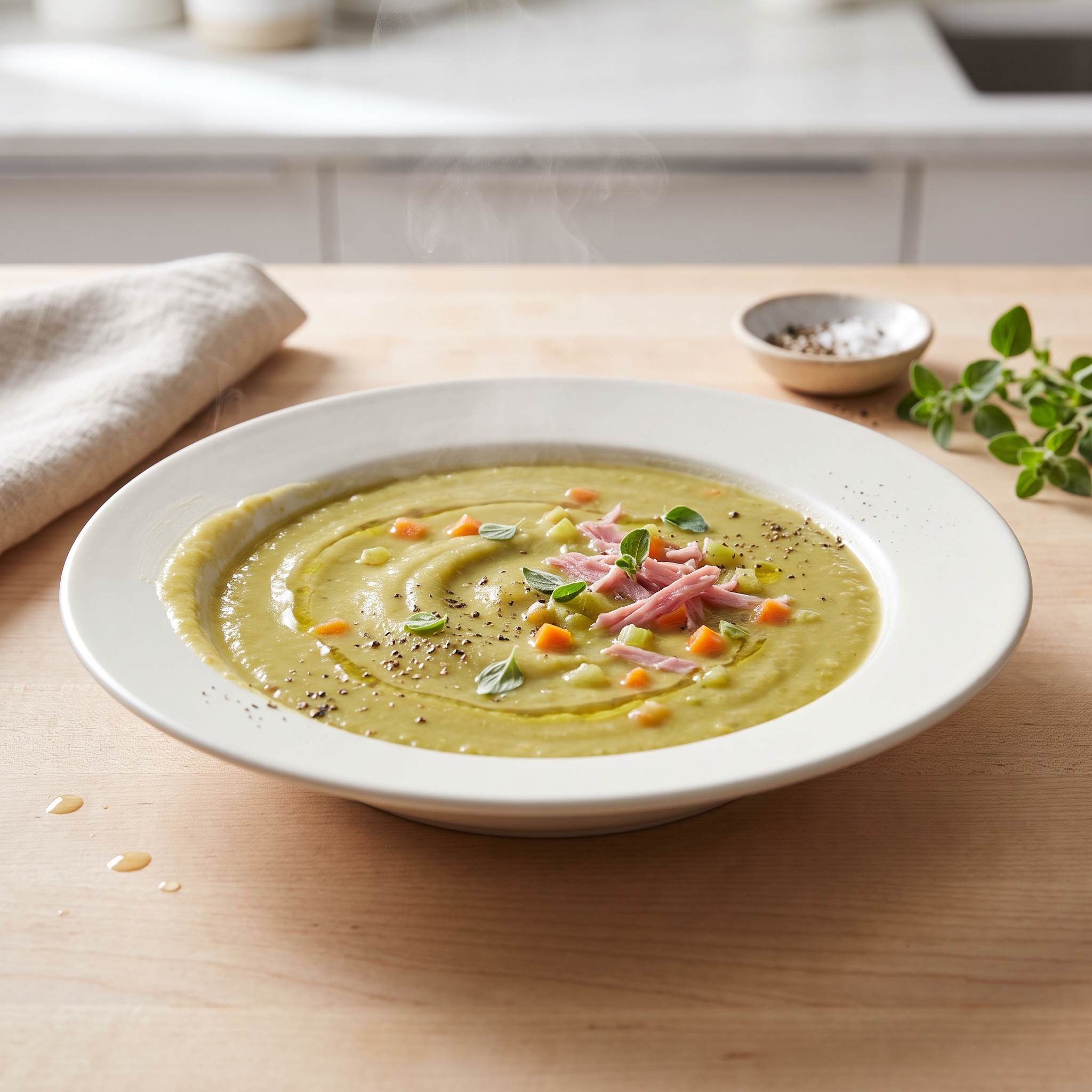 57
57 Hearty Ham and Split Pea Soup
33g protein · 476 cal · 7g fat
Health score 57 with 33g protein per serving
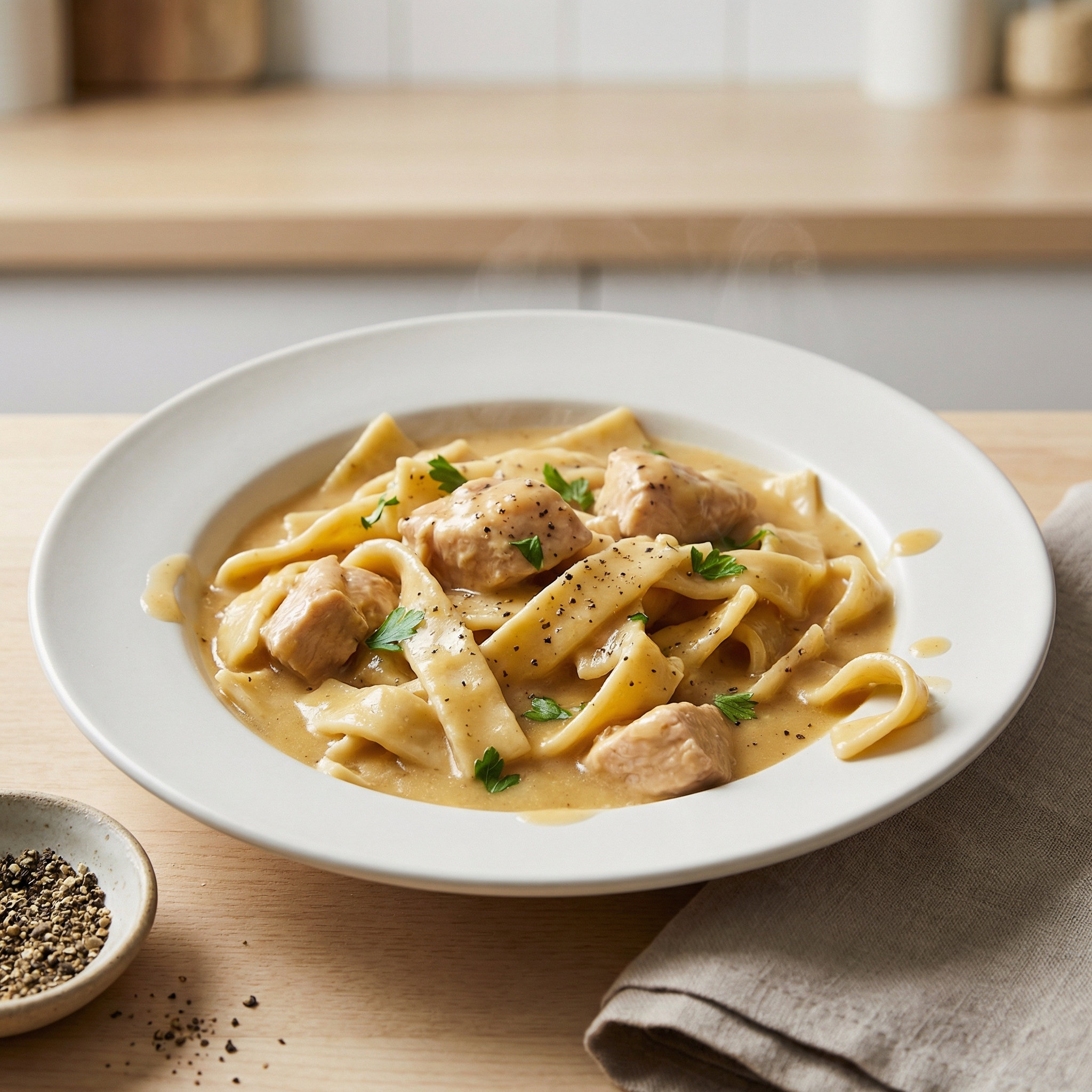 57
57 Chicken with Homemade Sliders (French Canadian Style)
46g protein · 517 cal · 5g fat
Health score 57 with 46g protein per serving
57 Crispy Air-Fryer Rotisserie-Style Chicken
65g protein · 416 cal · 17g fat
Health score 57 with 65g protein per serving
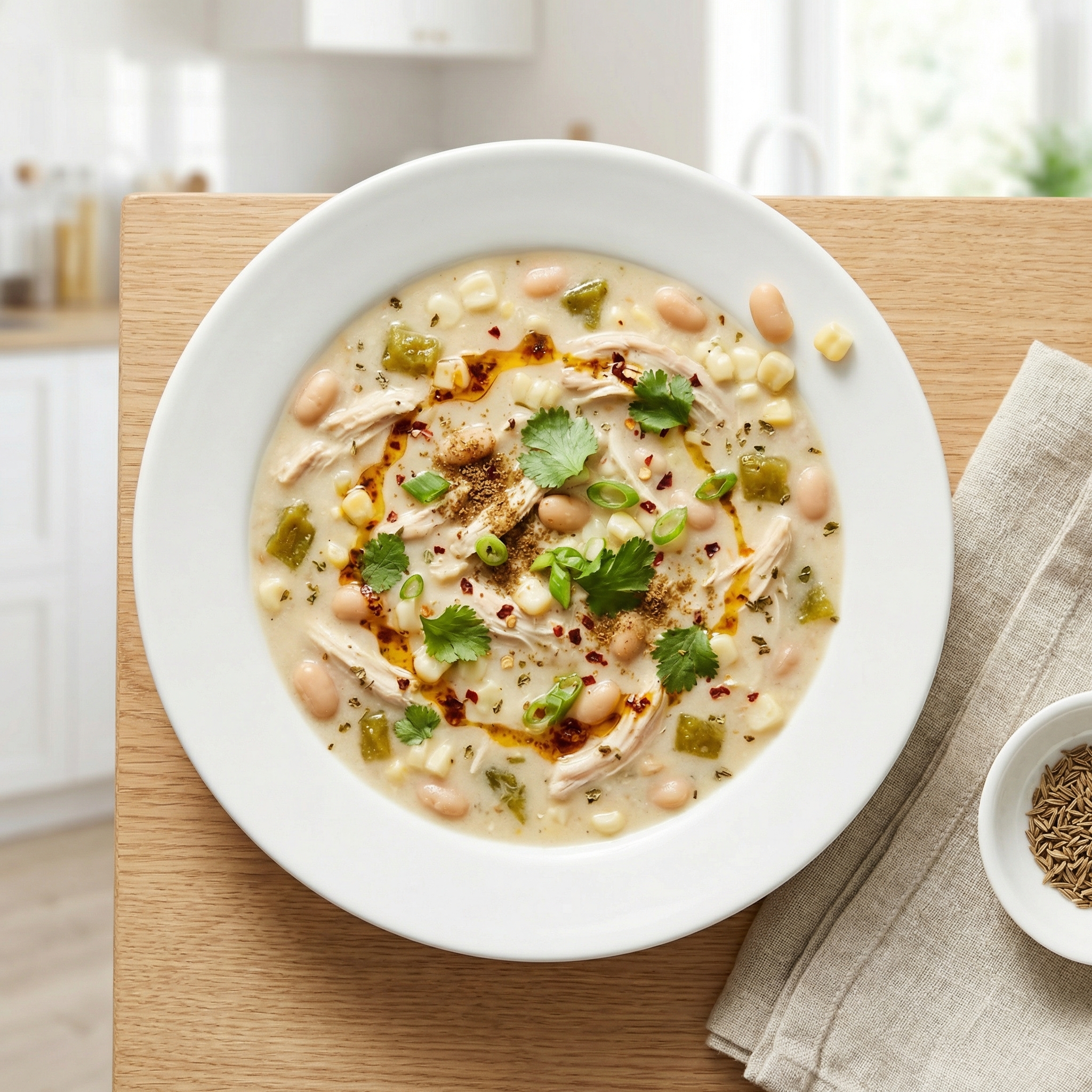 57
57 Low-and-Slow Chicken White Chili
43g protein · 393 cal · 7g fat
Health score 57 with 43g protein per serving
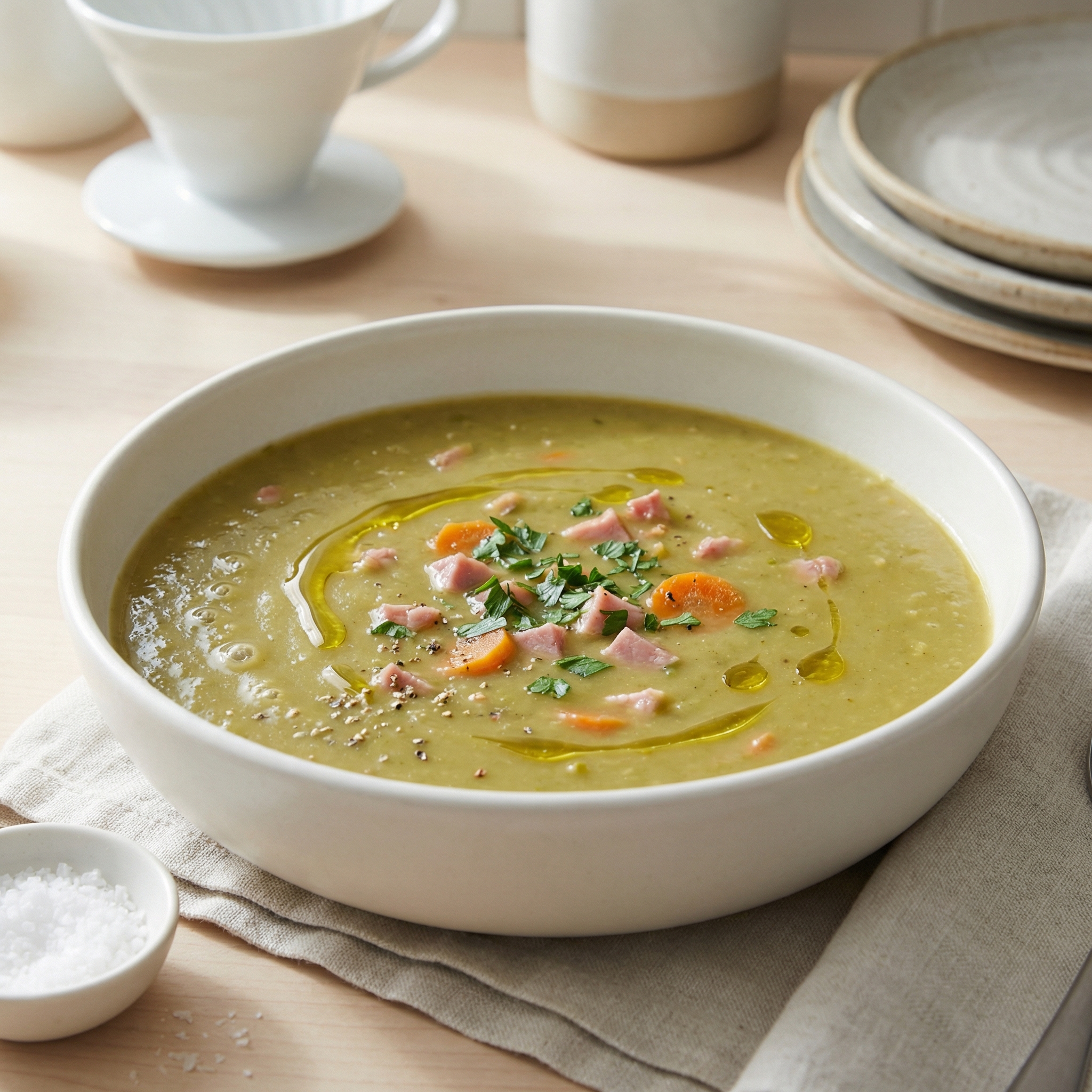 57
57 Split Pea and Ham Bone Soup
42g protein · 542 cal · 8g fat
Health score 57 with 42g protein per serving
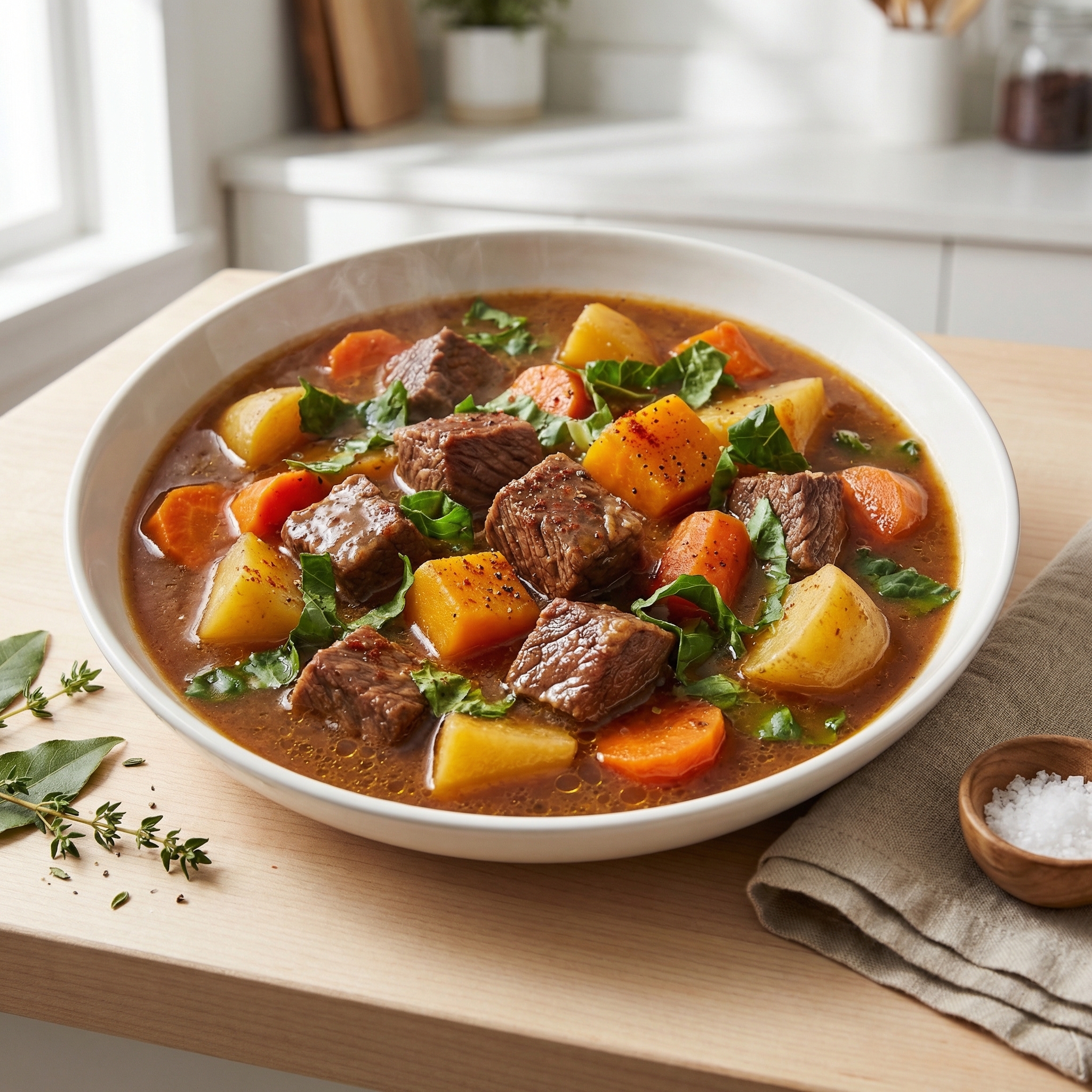 57
57 Hearty Slow Cooker Beef Stew
39g protein · 364 cal · 5g fat
Health score 57 with 39g protein per serving
Highest-protein dishes, ranked
The top recipes by protein grams per serving. Protein, calories, and fat are per serving.
51 Chef John's Irish Stew
75g protein · 741 cal · 38g fat
Top 1 by protein per serving (75g)
46 Philadelphia-Inspired Chicken Cheese Hoagie
75g protein · 865 cal · 35g fat
Top 2 by protein per serving (75g)
41 Persian Duck Fesenjan Stew
74g protein · 881 cal · 49g fat
Top 3 by protein per serving (74g)
42 Tomato-Baked Chicken Parmesan
74g protein · 603 cal · 22g fat
Top 4 by protein per serving (74g)
47 Southwestern Chicken Tamale Casserole
74g protein · 604 cal · 26g fat
Top 5 by protein per serving (74g)
47 Oven-Roasted Chicken with Apple-Stuffed Casserole
74g protein · 855 cal · 17g fat
Top 6 by protein per serving (74g)
40 Green Chili and Cheese Chicken
73g protein · 553 cal · 26g fat
Top 7 by protein per serving (73g)
32 Asian Style Country Ribs
73g protein · 923 cal · 63g fat
Top 8 by protein per serving (73g)
34 Slow Cooker Honey-Glazed Spiral Ham
73g protein · 604 cal · 24g fat
Top 9 by protein per serving (73g)
51 Citrus Chicken Stir Fry
73g protein · 941 cal · 15g fat
Top 10 by protein per serving (73g)
Methodology: recipes and nutrition come from easyChef Pro's recipe data (generated 2026-07-26). All values are per serving. To keep comparisons fair, recipes are plausibility-filtered to protein 25-75g, calories 150-950, and fat 0-70g per serving. The 0-100 nutrition score is a comparison of nutritional trade-offs, not a medical rating.
What actually counts as high protein
The term "high protein" is used loosely -- a label may call a product high protein at 10g. To meaningfully move your daily total, a high-protein meal should realistically deliver 25-40g of protein in a single sitting, which is the floor every recipe above meets.
The 2025-2030 USDA Dietary Guidelines recommend 1.2-1.6g of protein per kilogram of body weight for active adults. For a 170-pound (77kg) active adult, that is roughly 92-123g per day -- practically, three meals near 30g plus a snack.
Protein quality matters too. Complete proteins from animal sources (and soy and quinoa) provide all nine essential amino acids; most other plant proteins are incomplete and are combined to match the same profile. easyChef Pro's scoring accounts for completeness alongside quantity.
Find your exact daily protein target: Free Protein Calculator -- set your goal (weight loss, maintenance, muscle) and get your number.
Why the score, not just the protein
easyChef Pro scores every recipe from USDA-sourced ingredient data. The score is deterministic -- the same recipe returns the same number every time -- and it reflects the whole nutritional picture, not protein alone. That is why two meals with similar protein can score very differently: calories, fat, fiber, and processing all factor in.
Use the score the way it is meant to be used: to compare options and see trade-offs, not as a verdict on any single food. A higher-calorie, higher-fat dish is not "bad" -- it simply carries a different profile than a leaner one at the same protein.
Score any recipe yourself: Free Recipe Scorer -- paste any recipe and see the full breakdown. Or read how the nutrition score works.
Frequently asked questions
- What counts as a high-protein meal?
- A meal is generally considered high protein at about 25g or more of protein per serving. Every recipe on this page delivers at least 25g per serving (up to 75g), verified from our recipe data.
- Are the numbers per serving?
- Yes. Every protein, calorie, and fat figure on this page is per serving, and each recipe passed a plausibility filter (protein 25-75g, calories 150-950, fat 0-70g per serving) so the values are comparable across recipes.
- What does the nutrition score mean?
- The score is easyChef Pro's 0-100 nutrition score. It helps you compare the broader nutritional trade-offs between meals -- it is not a medical rating and does not diagnose or prescribe. Two meals can both be high in protein and still score differently because of calories, fat, fiber, and processing.
- Do all high-protein meals score high?
- No, and that is the point of showing the score. High protein does not automatically mean high overall nutrition. A rich, high-calorie dish and a lean, vegetable-forward dish can carry similar protein while scoring very differently. The score makes that trade-off visible.
- How is each recipe scored?
- Scores come from easyChef Pro's nutrition engine, applied to USDA-sourced ingredient data. The same recipe returns the same score every time. See how the nutrition score works for the full method.
- Can easyChef plan a high-protein week?
- Yes. In the app you can set a high-protein preference and it will build a plan around it, showing protein and the score for every meal. Start with the free trial.
Related reading
Plan a high-protein week in easyChef Pro
Set a high-protein preference and get a full week planned, with protein and a nutrition score on every meal. 7-day free trial, no credit card required.