Food Waste
How to Reduce Food Waste: A Complete Household Guide
The average household wastes 30-40% of the food it buys. This guide covers the highest-impact changes -- from meal planning to storage to using up what you already have -- with real data from USDA and EPA research.
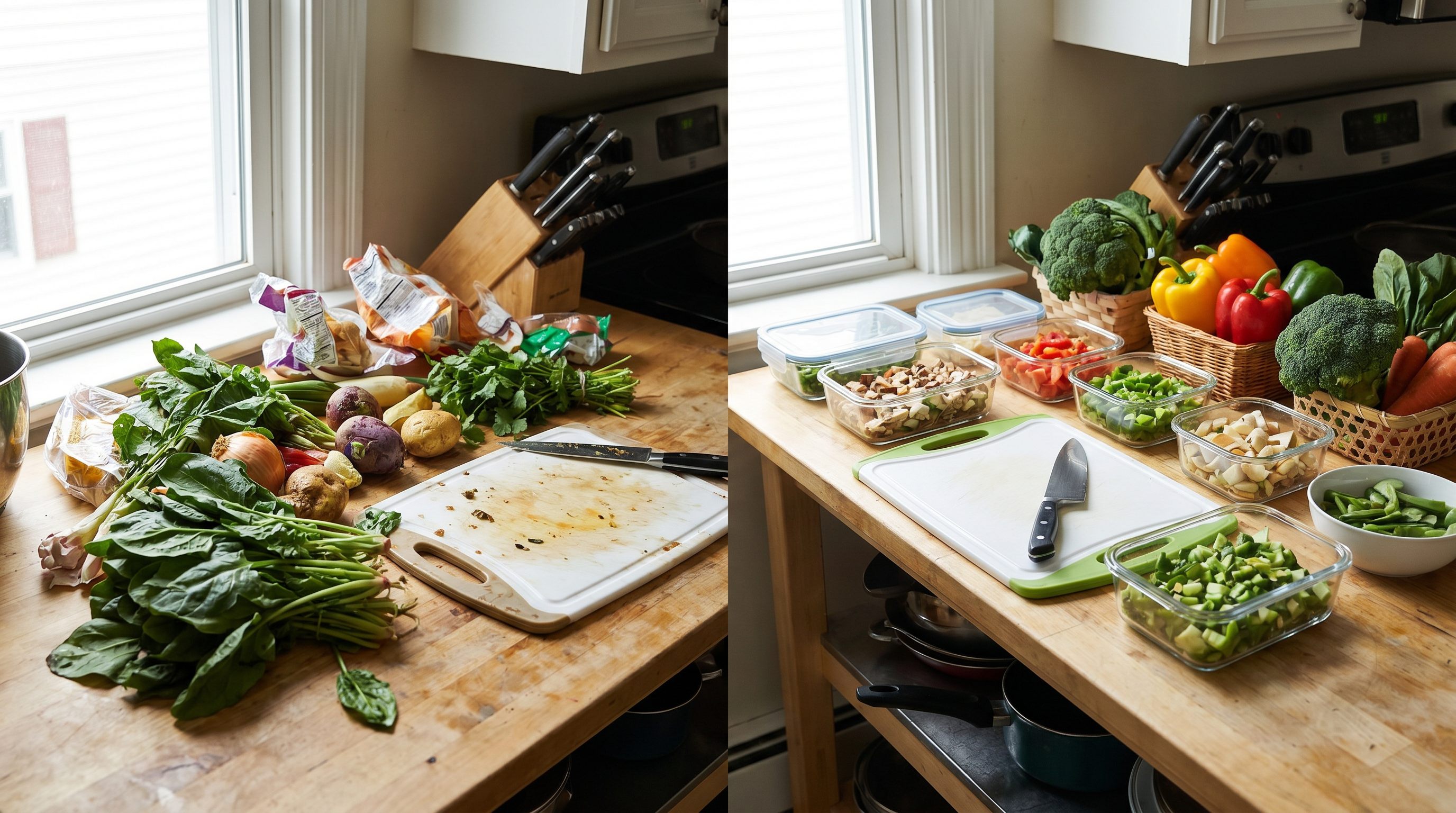
Short Answer
The highest-impact change to reduce food waste is planning your meals before shopping, not after. When you buy for specific recipes, you buy the exact quantity each recipe needs. When you shop with a general "healthy eating" mindset, you overbuy produce and proteins you intend to use but do not have a specific plan for. Meal planning alone reduces household food waste by 20-40% in controlled studies.
Where Household Food Waste Actually Comes From
Understanding the breakdown prevents wasting effort on low-impact changes. USDA research on household food waste shows this distribution:
| Food category | Share of household waste | Primary reason wasted |
|---|---|---|
| Vegetables and fruit | 39% | Overbuying without specific recipe intent; improper storage |
| Dairy and eggs | 17% | Misunderstanding "best by" dates; not finishing opened containers |
| Grain products | 14% | Stale bread; cooking too much and not repurposing |
| Meat, poultry, seafood | 12% | Buying more than planned meals require; freezer blindness |
| Mixed dishes and leftovers | 10% | Cooking too large a batch; not eating leftovers within the storage window |
| Other (condiments, beverages) | 8% | Using small amounts and forgetting the rest |
This breakdown means: the three highest-impact areas to address are vegetables/fruit storage, understanding date labels on dairy, and buying proteins only for specific planned meals.
The 5 Highest-Impact Changes
1. Plan meals before shopping (reduces waste 20-40%)
This is the single most effective change. Before shopping, decide what you will cook for 4-5 dinners and 4-5 lunches. Build your shopping list from those specific recipes. Buy only what those recipes require. When you have a specific use for every ingredient you buy, almost all of it gets used.
Build a precise meal plan before your next shop: easyChef Pro PLAN generates a full week of recipes, then SHOP builds a grocery list with only what you need (removing items already in your pantry).
2. Understand date labels
"Best By" and "Best If Used By" are manufacturer quality indicators, not safety deadlines. They tell you when the producer believes the product is at peak quality, not when it becomes unsafe. Actual food safety deadlines ("Use By") appear on products where bacterial growth poses a real risk (pre-packaged deli meats, some soft cheeses). For the majority of pantry items and fresh produce, use your senses: smell, visual inspection, and taste are more reliable than a printed date.
- Eggs: safe 3-5 weeks after the sell-by date when refrigerated. Float test: if it sinks, it is fresh. If it floats, discard.
- Milk: typically safe 5-7 days past the "sell by" date if refrigerated at 40F or below. Trust your nose.
- Dry pasta, rice, canned goods: the "best by" date is purely about texture and flavor. Safe to eat 1-5 years past the printed date.
- Hard cheese: mold on hard cheese (parmesan, cheddar) is surface mold. Cut off 1 inch around the mold and the rest is safe.
3. Store produce correctly
Most vegetable waste is due to incorrect storage, not running out of time. Key rules:
- Ethylene-producing fruits (apples, pears, bananas, avocados) should be kept separate from ethylene-sensitive vegetables (broccoli, leafy greens, peppers). Ethylene accelerates ripening and wilting of sensitive produce.
- Leafy greens last 2x longer when stored with a dry paper towel inside the bag or container. The towel absorbs excess moisture that causes slime.
- Herbs last longest stored like flowers: trim the stems, put them in a glass with 1 inch of water, cover loosely, and refrigerate (or leave basil at room temperature).
- Do not wash produce until right before use. Moisture on unwashed produce accelerates mold growth.
4. Use FIFO in fridge and pantry
First In, First Out: when you bring new groceries home, move the older items to the front of the shelf and the front of the fridge. New purchases go behind. This eliminates the most common waste pattern: forgetting what is already there and letting it expire while newer items get used first.
5. Designate a "use it up" meal each week
One meal per week (Friday or Saturday works well) should be built from whatever is approaching the end of its useful life. Stir-fry, frittata, grain bowl, soup, and fried rice are the highest-versatility formats because they accept almost any protein, vegetable, and grain combination. This one habit prevents most end-of-week waste from accumulating.
Related Reading
Frequently Asked Questions
- What is the number one cause of food waste at home?
- Overbuying without a meal plan is the primary driver of household food waste. When people shop without knowing what specific meals they will cook that week, they buy ingredients they intend to use but do not plan precisely enough to actually use before the food expires. The result: produce wilts, proteins get pushed to the back of the freezer, and pantry staples accumulate past their use dates. Studies consistently show that households with a weekly meal plan waste 20-40% less food than those without one.
- What are the easiest ways to reduce food waste at home?
- The five highest-impact changes, in order of ease: (1) Plan your meals before shopping -- buy exactly what you need for specific recipes, not general "healthy food" categories. (2) Store food correctly -- most produce waste comes from incorrect storage, not actually running out of time to eat it. (3) Understand date labels -- "best by" is a quality indicator, not a safety deadline; most food is safe to eat several days past this date. (4) Use a FIFO system -- First In, First Out; move older items to the front of shelves and fridge. (5) Have a designated "use it up" meal at the end of each week for ingredients approaching the end of their shelf life.
- How much food does the average household waste?
- The USDA estimates that American households waste approximately 30-40% of the food they purchase. This translates to roughly $1,500-$1,800 per year for a family of four. Most of this waste comes from produce and protein. The EPA reports that food is the single largest category of material going into US landfills. UK studies show similar figures: the average household throws away approximately 6.6 pounds of food per week.
- How does easyChef Pro reduce food waste?
- easyChef Pro reduces waste through ingredient overlap optimization. When the PLAN feature generates your meal plan, it selects recipes that share key ingredients -- so the half-bunch of cilantro you buy for Monday's chicken bowl shows up in Wednesday's grain bowl too, and you actually use the whole bunch. The SHOP feature removes pantry items you already have from the grocery list so you do not duplicate. Together these two features address the two primary causes of waste: overbuying and partial-ingredient use.
Stop buying food you do not use
easyChef Pro plans your week, builds your grocery list, and removes what you already have. You only buy what you need. 7-day free trial, no credit card required.