Food Waste
How to Reduce Waste at Home: The Complete Kitchen System
American households waste 30-40% of the food they buy. This guide covers the storage techniques, date label guidance, and weekly habits that eliminate the most waste -- with the financial math behind each change.
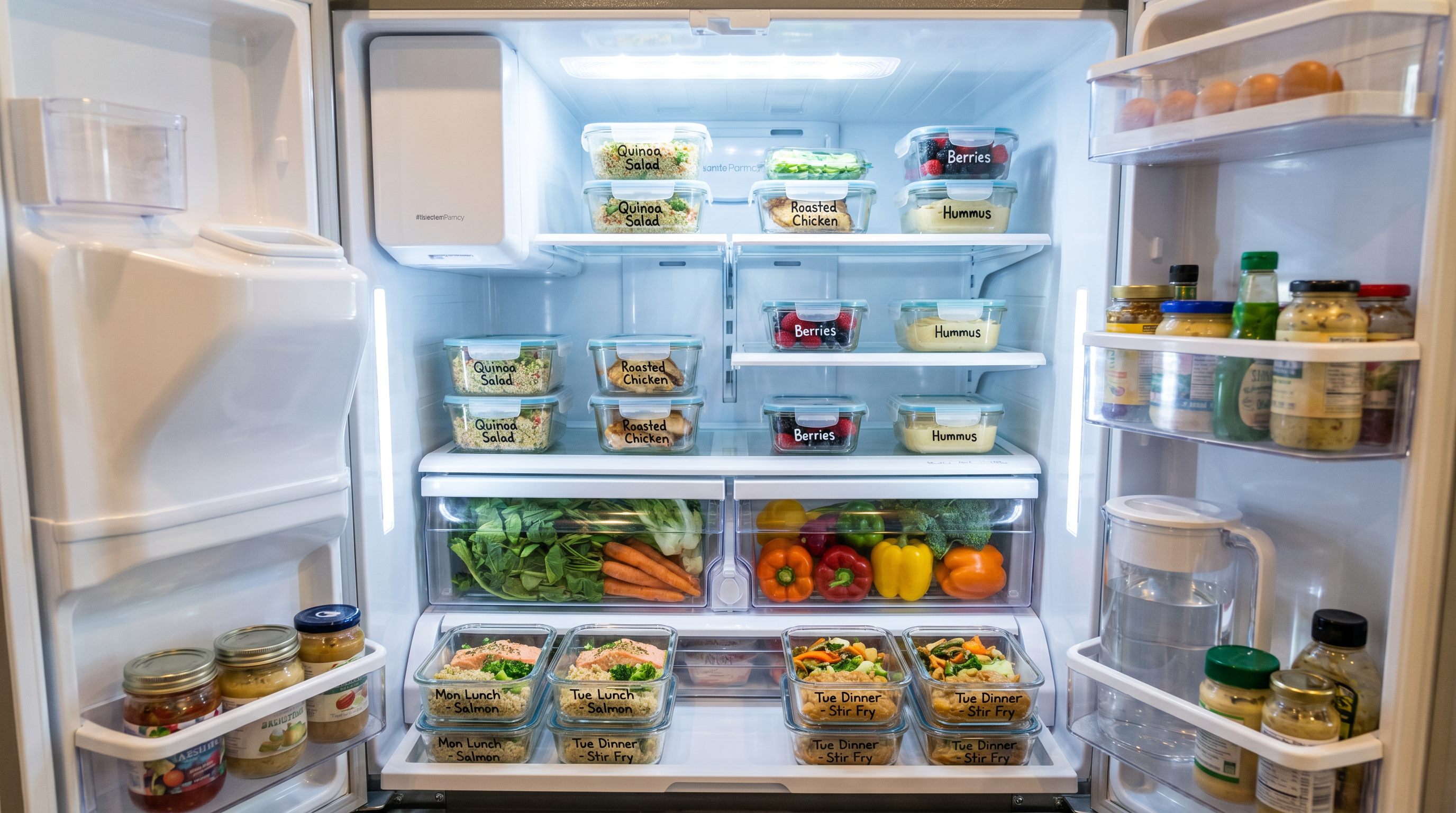
The Financial Case
The USDA estimates American households waste food worth approximately $1,500 per year on average. For a family of four, this figure is closer to $3,000. The three changes that save the most: planning meals before shopping, correct produce storage, and understanding date labels. Together these eliminate 30-40% of household food waste without requiring specialized equipment or dramatic lifestyle change.
The 6-Step Home Waste Reduction System
Step 1: Plan before you shop
The most impactful single change. Pick 5-6 meals for the week before you go to the store. Write a shopping list from those specific recipes. Buy only what those recipes require. This eliminates the most common waste pattern: buying "healthy ingredients" without a specific plan for each one.
Households with a weekly meal plan waste 20-40% less food than those without one, according to multiple USDA and Food Policy journal studies. The mechanism is simple: if you know you are cooking specific meals on specific days, you buy the exact quantities those meals require.
Build this week's meal plan now: easyChef Pro PLAN builds a full week of recipes, SHOP converts it to a precise grocery list, and removes items already in your pantry.
Step 2: Set up FIFO in your fridge and pantry
FIFO stands for First In, First Out. When you bring new groceries home: before putting anything away, move the older versions of each item to the front of the shelf and to the front of the fridge. New items go behind. This takes 3-5 extra minutes per shopping trip and prevents the single most common waste pattern: forgetting what is in the back while newer items get used first.
Step 3: Learn produce storage rules
| Produce | Store where | How long | Key tip |
|---|---|---|---|
| Leafy greens | Fridge, crisper drawer | 5-7 days | Add dry paper towel to bag to absorb moisture |
| Broccoli, cauliflower | Fridge (unwrapped or loose bag) | 5-7 days | Keep away from ethylene fruit (ripens faster) |
| Tomatoes | Counter (not fridge) | 5-7 days | Cold destroys flavor compounds; fridge only once cut |
| Avocados | Counter until ripe, then fridge | 2-3 days post-ripe | Lemon juice on cut face delays browning |
| Berries | Fridge (unwashed) | 3-5 days | Do not wash until right before eating; moisture accelerates mold |
| Fresh herbs | Fridge in a glass with water (like flowers) | 1-2 weeks | Trim stem ends; basil stays better at room temperature |
| Onions, garlic | Cool, dark, dry pantry (not fridge) | 2-4 weeks | Fridge introduces moisture that causes mold |
| Bananas | Counter (separate from other produce) | Freeze once spotted | Frozen bananas are ideal for smoothies; no waste |
Step 4: Understand date labels
"Best By" and "Best If Used By" are manufacturer quality indicators, not safety deadlines. Most food is safe to eat several days to several weeks past these dates. Only "Use By" on certain high-risk perishables (pre-packaged deli meats, some soft cheeses) is a safety guideline. Trust your senses: smell, visual inspection, and taste are more reliable than a printed date for most foods.
Step 5: Designate a weekly "use it up" meal
Pick one dinner per week (Sunday works well) where the rule is to use ingredients approaching end-of-life. Stir-fry, grain bowl, frittata, fried rice, and soup are the most flexible formats because they accept almost any combination of protein, vegetable, and grain. This one habit prevents 80% of end-of-week produce and leftover waste.
Step 6: Freeze before it goes bad
Almost any cooked food freezes well: soups, stews, cooked grains, cooked proteins. Many raw vegetables freeze well after brief blanching (broccoli, green beans, spinach, peas). The only foods that do not freeze well: lettuce and other high-water-content raw greens, whole eggs in shell, raw potatoes (texture degrades), and dairy-heavy sauces (they separate). When something is approaching its expiry, freezing takes 30 seconds and buys you 2-3 months.
Related Reading
Frequently Asked Questions
- What are the easiest ways to reduce household waste?
- The three changes with the highest ratio of impact to effort: (1) Plan meals before shopping -- buying for specific recipes eliminates most overbuying waste, (2) move older items to the front of the fridge before putting away new groceries (FIFO system), and (3) understand that most "best by" dates are quality indicators not safety deadlines. These three habits alone eliminate the majority of avoidable food waste in a typical household without requiring any special equipment or major lifestyle change.
- How do you reduce produce waste specifically?
- Produce accounts for the largest share of household food waste. The highest-impact changes for produce specifically: store ethylene-producing fruits (apples, bananas, pears) away from ethylene-sensitive vegetables (leafy greens, broccoli, peppers), which ethylene will wilt and yellow faster. Add a dry paper towel to bags of leafy greens to absorb excess moisture. Store herbs like flowers -- in a glass with a small amount of water. Do not wash produce until right before use. Freeze produce that is reaching the end of its useful life before it goes bad.
- How much money does reducing food waste save?
- The USDA estimates the average American household wastes food worth approximately $1,500 per year. Households that implement a consistent meal planning system and reduce food waste by 30-40% save approximately $450-$600 annually. For a family of four, that figure is often $1,500-$2,000 per year in recoverable food cost, not counting the secondary savings from smaller, more targeted grocery runs.
- How does meal planning prevent food waste?
- The primary mechanism: when you shop for specific recipes rather than general ingredients, you buy the exact quantity each recipe needs. A recipe that calls for 1 can of chickpeas means you buy 1 can, not a bag of dried chickpeas you may or may not finish. A recipe that calls for 2 cups of spinach means you buy one bag of spinach and have a plan for the rest. The secondary mechanism is ingredient overlap -- a good meal plan selects recipes that share key ingredients so partial bunches of herbs and half-cut vegetables get used across multiple meals in the same week.
Plan your week, cut your waste
easyChef Pro builds a precise grocery list from your meal plan -- only what you need, with pantry items already removed. 7-day free trial, no credit card required.