Methodology
How the easyChef Pro Nutrition Score Works
Math, not guesswork. 41 nutritional parameters, fixed scoring rules, and nutrient data referenced from USDA FoodData Central where available. A library recipe gets the same score each time.
Short Answer
easyChef Pro scores a recipe with Glycemic Impact Score, Nutritional Density and Energy Density, each out of 100, plus a NOVA level from 1 to 4 and six Focus Fit scores out of 100. They are calculated from 41 nutritional parameters using USDA-referenced nutrient data. The scoring rules are fixed, and a recipe in the easyChef Pro library gets the same score each time, for the same engine version.
What "Calculated, Not Guessed" Actually Means
Most nutrition apps estimate. They use AI models, user-submitted databases, or averaged manufacturer data to approximate what is in your food. Estimates drift. The same food logged on different days, in different apps, or after a database update, can produce different numbers.
easyChef Pro uses a nutrition scoring engine with fixed scoring rules. The engine has three components.
The Three Components of the Scoring Engine
1. The data source: USDA FoodData Central
Every product in easyChef Pro's database is sourced from or verified against USDA FoodData Central, the federal standard for nutrition measurement in the United States. Laboratory-tested values. No user submissions, no manufacturer self-reporting without verification.
2. The scoring factors: 41 nutritional parameters
The score is not just calories. It weighs 41 nutritional parameters across seven categories:
| Factor category | What it includes |
|---|---|
| Macronutrient balance | Protein %, fat %, carbohydrate %, fiber-to-carb ratio |
| Glycemic impact | Glycemic load, sugar density, fiber balance |
| Micronutrient density | Vitamins, minerals per calorie |
| Fat quality | Saturated fat %, omega-3 content, trans fat |
| Sodium | Total sodium, sodium-to-calorie ratio |
| Processing level | Ingredient count, additive presence, whole food proportion |
| Energy density | Calories per gram, satiety factors |
3. The six Focus Fit scores
Recipes with Focus Fit data show six Focus Fit scores, one for each health focus: General Wellness, Heart Health, Metabolic, Digestive & Gut, Inflammation Control and Muscle & Performance.
What the Scores Actually Mean
Glycemic Impact Score, Nutritional Density and Energy Density each run from 0 to 100, and higher is better. They are absolute, not relative to other recipes: the scoring rules are fixed and applied to the recipe's nutrients.
Glycemic Impact Score rewards carbs with fiber and low sugar from less-processed food. Nutritional Density rewards fiber, protein, vitamins and minerals per calorie, and penalizes saturated fat and sodium. Energy Density gives more points to food with fewer calories per gram. The six Focus Fit scores use the same 0 to 100 scale, and higher is better. NOVA is the exception: it is a processing level from 1 to 4, and lower is better.
Want to see this on a recipe you cook? Paste its link, or type its name, into the free recipe nutrition calculator to see its nutrition per serving and its estimated Nutritional Scores. Free with your email.
The Swap Mechanic: Why the Score Is Useful
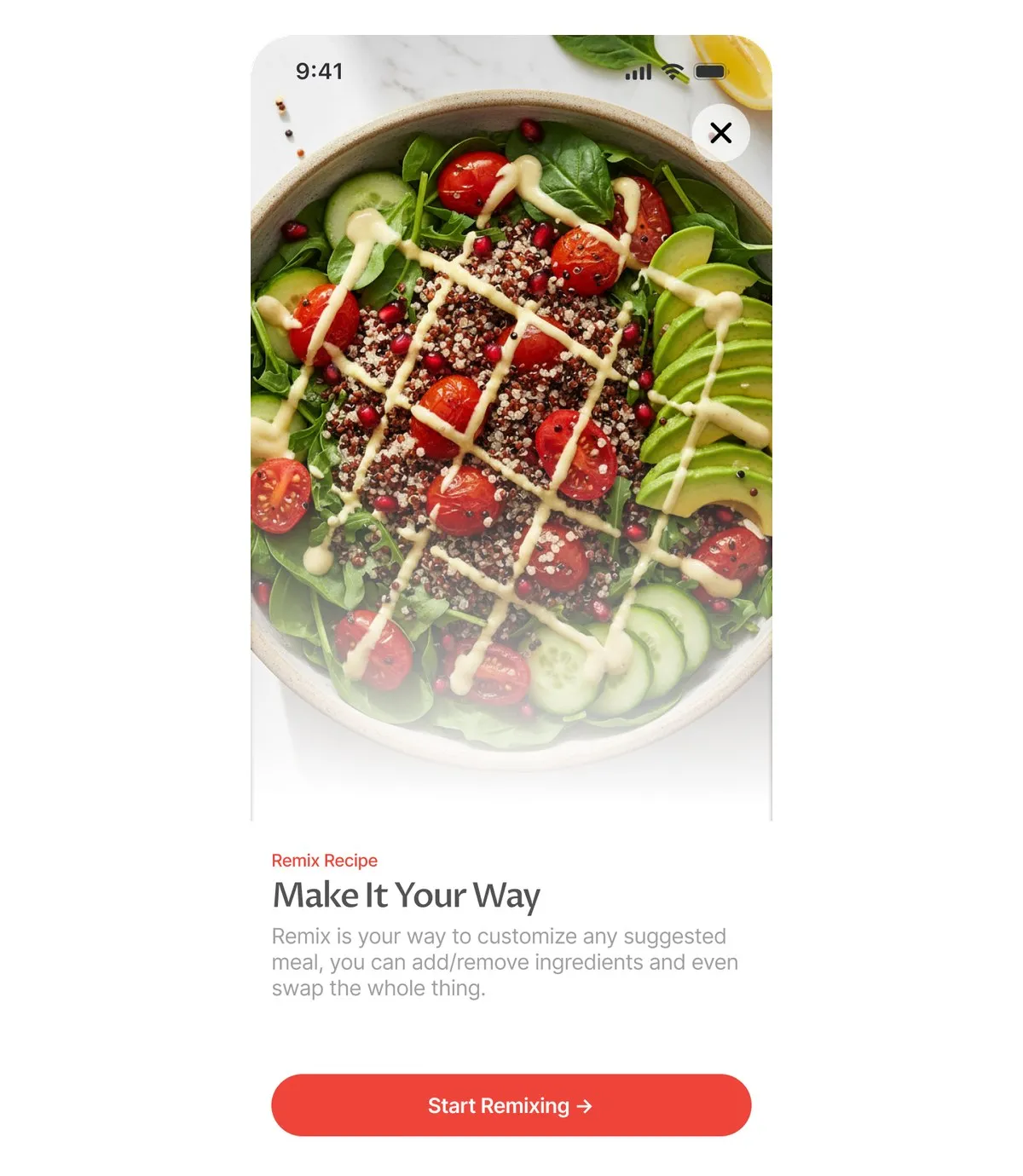
Open a recipe in the app to see its scores next to its full nutrition facts. See how your recipe's Nutritional Scores change when you swap an ingredient, adjust an amount or remix a dish. Every score, the NOVA level and every nutrition fact is recalculated, before and after, and Remix tells you when your change is the healthier choice. That is the "I Scored It" method used in easyChef Pro's content:
- Score the original recipe (example: creamy pasta scores 41 on the General Wellness score, 0 to 100, higher is better)
- Check its nutrition facts for what to change (saturated fat, fiber, sugar)
- Swap ingredients in Remix (whole wheat pasta, lighter sauce, add spinach)
- Score the improved recipe (78 on the General Wellness score, 0 to 100, higher is better)
Remix shows the scores and nutrition facts before and after each change, so you can see what each swap did to the score.
9 US Patent Filings
Nine provisional US patent filings cover the full system, from the scoring engine to the shopping list. Every method below is patent-pending and does not exist in any other meal planning app.
Deterministic Nutrition Engine (DNE)
Scores every food on transparent math instead of a black box. The same food gets the same grade every time, and every point traces back to a specific nutrient, covering carb quality, nutrient density, energy density, and processing level.
Focus-Fit Health System (FFHS)
Gives the same recipe six Focus Fit scores, so meal planning can rank it for your goal.
Health-per-Dollar (HPD)
Scores nutrition per dollar spent, for your health focus. A $50 grocery haul ranked by nutritional value per dollar, adapted to whether your health focus is heart health, blood sugar management, or performance.
Spoilage Prediction (SPM)
Tracks 60+ food categories in your pantry and predicts what is about to expire before it does. When your pantry talks to your meal plan, you stop throwing food away. No sensors, it learns your household's patterns over time.
Adaptive Meal Planning Engine (AMPE)
Builds your week by balancing nutrition, cost, variety, your health goal, and what is about to spoil, all at once, using real optimization math rather than picking recipes at random.
Intelligent Shopping List Generator (ISLG)
Turns your meal plan into a shopping list that already knows what is in your pantry and what will spoil first. No manual cross-checking.
Unified Nutrition Ledger (UNL)
A single, tamper-evident record of every food, score, meal, and pantry item, so every part of the system reads from one source of truth and every result can be audited.
Digital Nutrition Intelligence (DNI)
The conductor that keeps every module in sync, running in the right order on the same data, so the whole system stays consistent and reproducible end to end.
Integrated Deterministic Ecosystem
The filing that ties it all together: a full end-to-end nutrition system where scoring, personalization, spoilage, value, planning, and shopping share one data foundation and always produce the same result from the same inputs.
Frequently Asked Questions
- Is the score the same every time I log the same meal?
- For a library recipe, yes. Same recipe, same score: library recipes are scored by fixed rules and the score is stored. A pasted recipe link gets an estimate from the ingredient match, and the same link can score slightly differently on another try.
- Can I see what changes a recipe's score?
- Yes. In the app, open a recipe to see its Nutritional Scores, NOVA level and Focus Fit scores (where there is Focus Fit data) next to its full nutrition facts. Remix it and apply your changes to see the new scores. Scores are calculated from ingredient data.
- What if I change my health goal?
- A recipe's Glycemic Impact Score, Nutritional Density and Energy Density, which are out of 100, do not change when you change your goal. Recipes with Focus Fit data show six Focus Fit scores, and meal planning ranks recipes for the goal you choose, so your plan can change.
- How is the score different from a calorie count?
- A calorie count measures one thing: energy. The easyChef Pro score measures 41 nutritional parameters, not only energy. Two meals can have identical calories and very different scores, because nutrition is more than energy.
Related Reading
CHANGE AN INGREDIENT
Edit a Recipe, Score Updates
Paste a recipe link or build a recipe in easyChef Pro to see its score. Edit an ingredient and watch the score update.



On a computer? Scan with your phone camera to get the app.
Score Any Recipe Free
No account required. See your score in 30 seconds.